
- JP release: 1st August 1998
- PAL release: N/A
- NA release: N/A
- Developer: Nintendo
- Publisher: Nintendo
- Original name: Pocket Monsters Stadium
- N64 Magazine Score: 85%
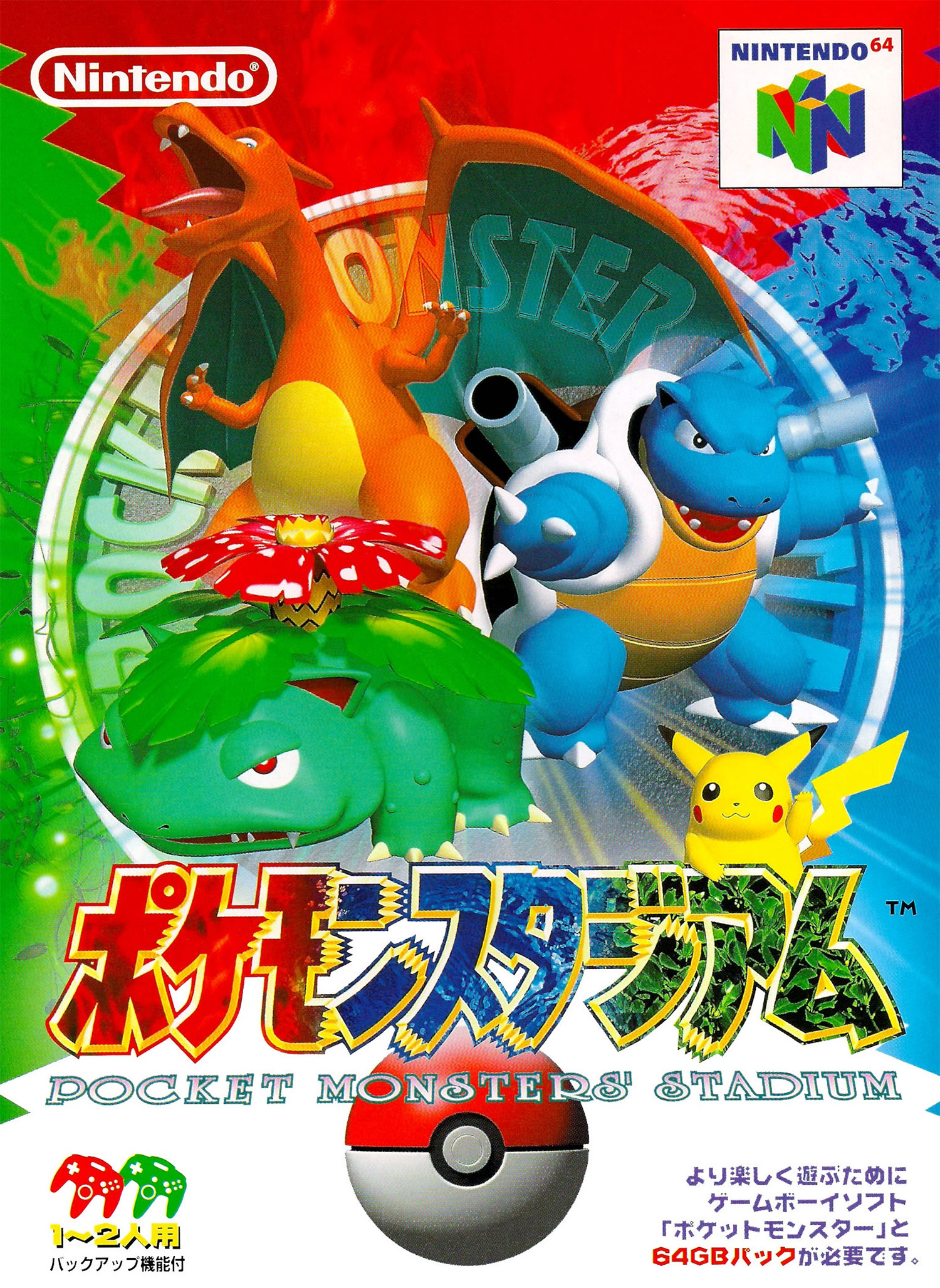

Pokémon Stadium Zero? No, that’s not the official name of the game, but I thought calling it that was the easiest way to differentiate from the Pokémon Stadium the rest of the world knows. The first Pokémon Stadium was exclusive to Japan, so when Pokémon Stadium 2 was localised, it became Pokémon Stadium.

One thing I do need to point out is that emulation is limited. On top of trying to sort out a compatible Japanese save file, emulators currently can’t fully emulate the Transfer Pak – the game can get data from it, but the portion of Pokémon Stadium that lets you play the Game Boy game within the N64 game doesn’t work. This isn’t an issue for the later Pokémon Stadium games, but in Zero, you need to “Report” using an additional menu added by the emulator to fully access the game.

However, without doing this, you can still access the Pokédex, which gives you all of the information and lets you view every single Pokémon in 3D (although, despite this, only 40 available in the battle mode). Other options lets you see lots of statistics on the Pokémon you have in the game, so it’s a great way of seeing your progress.

One other nice touch is that you can view where you can find Pokémon on a nice 3D map of Kanto. If you’re struggling to see the locations properly, you can bring up an overlay with the Game Boy map.
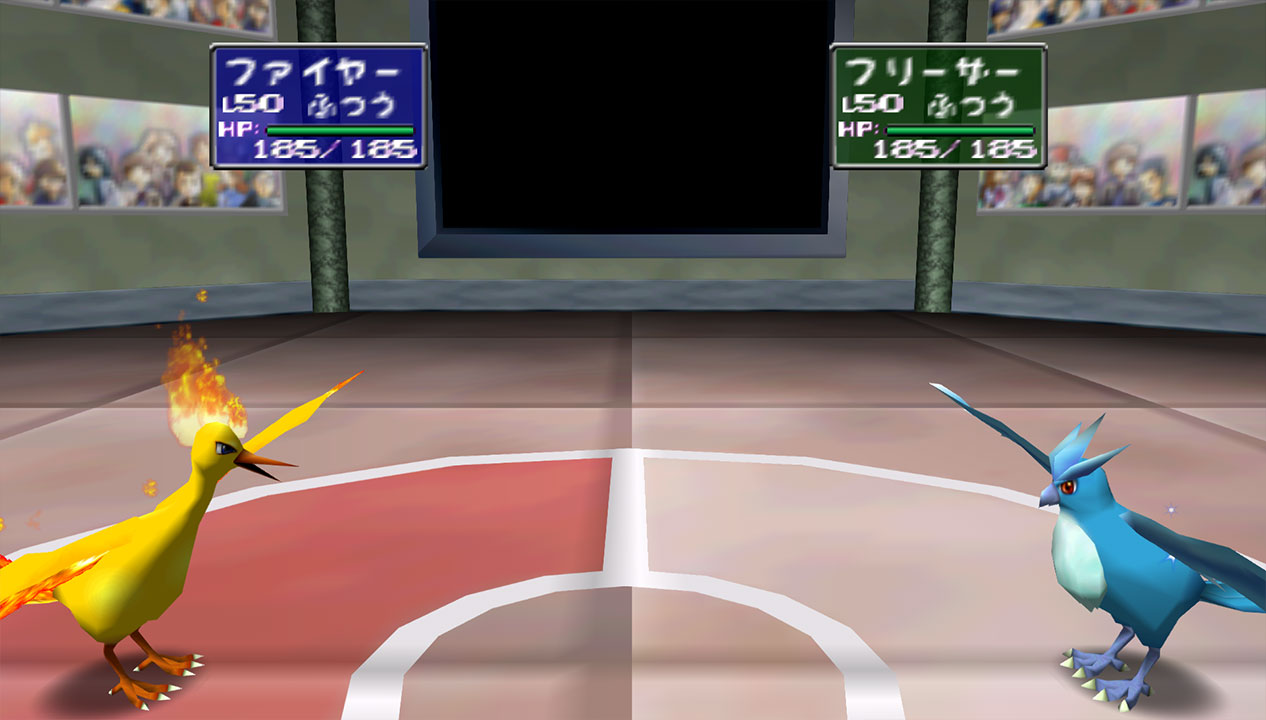
In the battle mode – which has free battle and tournament options, you get to choose your Pokémon (out of the 40 in the game) to battle. You can pick from compatible Pokémon in your current Game Boy party (I think you can select others after registering) or loan Pokémon from the game out of all the Pokémon available.

The battling works exactly the same as the Game Boy, although at the start of each fight, you select three Pokémon from your party to take part in that fight. It would have been great seeing your Pokémon not just on the big screen, but in 3D for the first time.
That said, this version of Pokémon Stadium is definitely more cumbersome and a bit more basic than what would later come, so I think the first experience of Pokémon Stadium outside of Japan was definitely better.

Fine
The game cultivates an atmosphere of tangible excitement – considering that I’m roughly 20 years older than the intended target audience, yet still felt a shiver of pleasure as my PM trounced the CPU’s pitiful offering, I’d say that Nintendo have quite an achievement on their hands.
Max Everingham, N64 Magazine #20
Remake or remaster?
A Pokémon Stadium that links to all the various Pokémon games playable on Switch would be a neat idea.
Official ways to get the game.
There is no official way to get Pokémon Stadium Zero

Europe
Japan
North America


N64 Games by Date
1997: Jan, Feb, Mar, Apr, May, Jun, Jul, Aug, Sep, Oct, Nov, Dec
1998: Jan, Feb, Mar, Apr, May, Jun, Jul, Aug, Sep, Oct, Nov, Dec
1999: Jan, Feb, Mar, Apr, May, Jun, Jul, Aug, Sep, Oct, Nov, Dec
2000: Jan, Feb, Mar, Apr, May, Jun, Jul, Aug, Sep, Oct, Nov, Dec


I’ve got the cartridge of this game and I can totally see why it was skipped over for localisation.
It’s basically a glorified demo/prototype, with only 40 Pokemon being useable and no real single player content of any kind. Barebones doesn’t even begin to describe it.
Supposedly this game was originally meant for the 64DD before being hastily ported to cartridge… which would certainly explain why this game is so utterly bereft of content and why it was supplanted by the Pokemon Stadium that we know here in the west so quickly (just 8 months after the release of the original game in Japan).
In fact, we can verify this is true, because if you play this game with a 64DD attached to your console, you get a special error message saying that the expected 64DD disk is missing!
I can only assume that our Pokemon Stadium 1 is basically the game that this was supposed to be, not unlike how Mario Tennis Aces was basically the finished version of Mario Tennis Ultra Smash.
It’s a neat curio, but really, we didn’t miss out on much here. Its successor makes this game completely redundant.