The legacy of evil returns…
- JP release: 20th March 1997
- NA release: 2nd October 1997
- EU release: 1st November 1997
- Developer: Konami
- Publisher: Konami
- AKA: Akumajō Dracula X: Gekka no Yasōkyoku (Japan)
- Edge Magazine Review: 8/10
- Platforms: PS1, Saturn, PSP
- Version Played: PS1
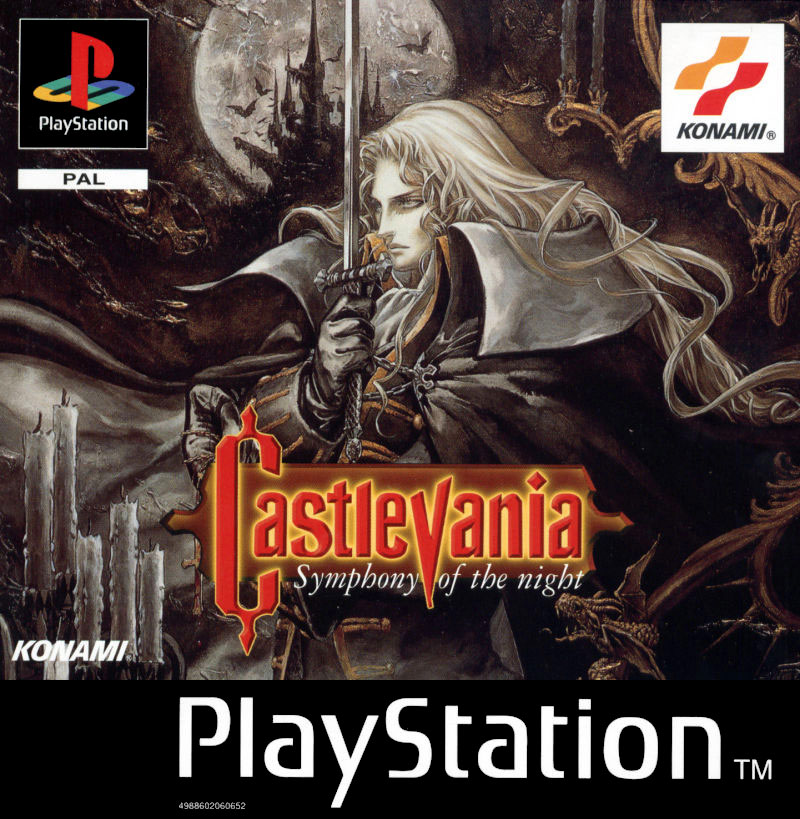
Now considered one of the greatest games, Symphony of the Night was actually quite a fight for Konami, and it was initially shunned. The start of the PlayStation era was heavily focused on 3D games, so anything 2D was treated as being a lesser product, and publishers even had to threaten Sony with not releasing other games to get them to allow their 2D games. It ended up not selling that well, which seems crazy given its reputation today. While it decided to stick with 2D, they still wanted to do something new with Castlevania, looking back at what they did with Simon’s Quest and seeing what Super Metroid has done.
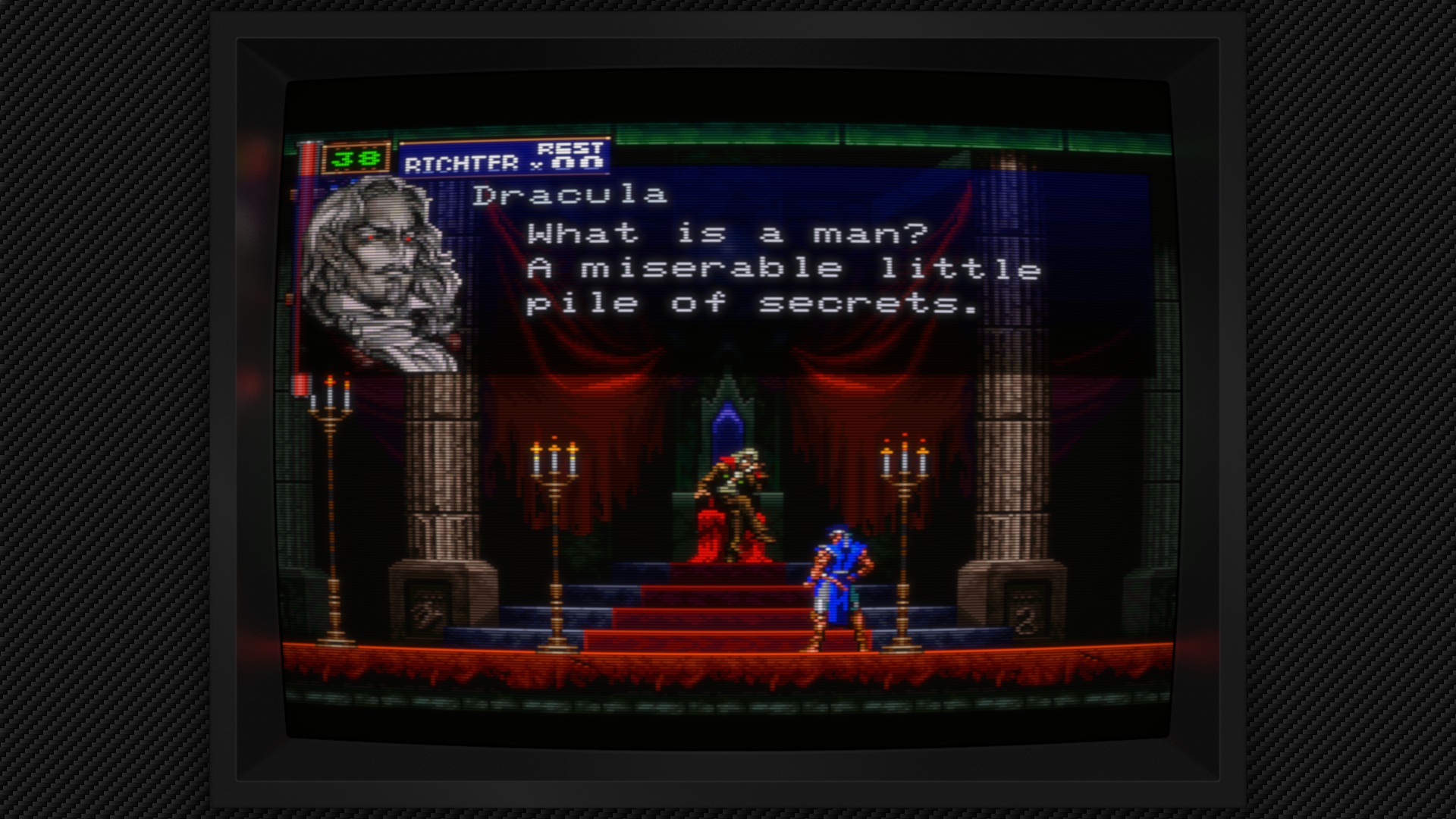
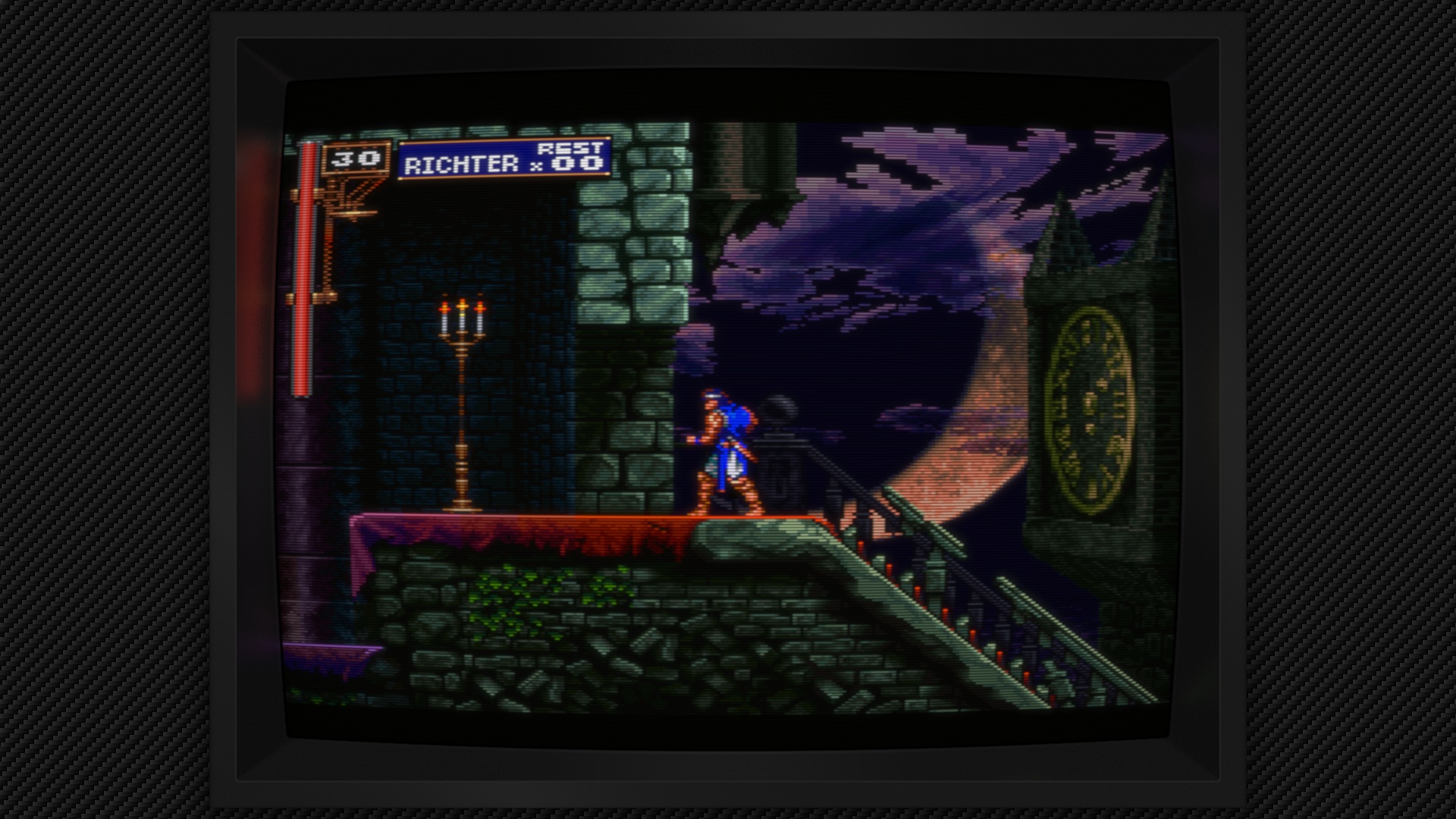
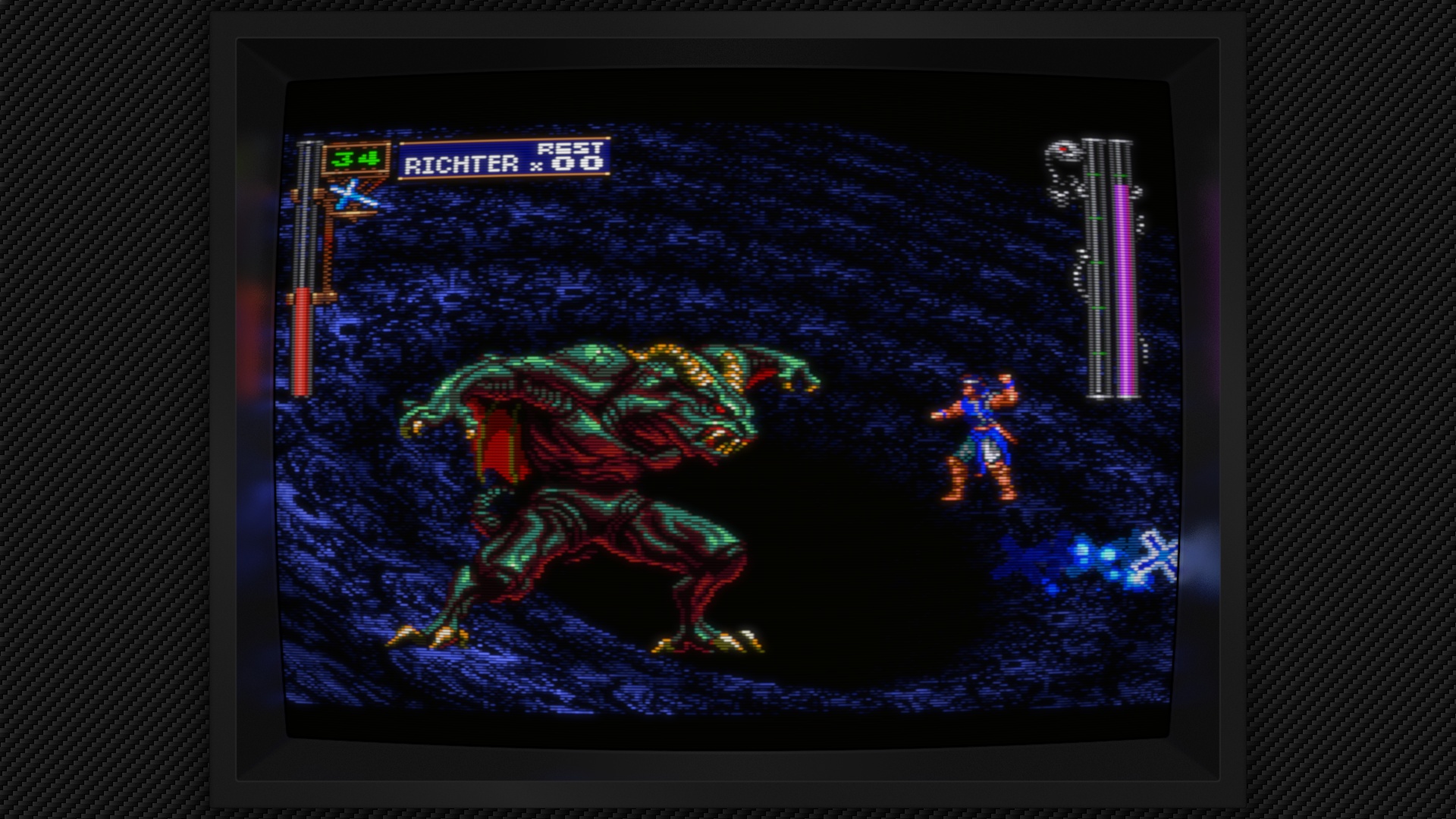
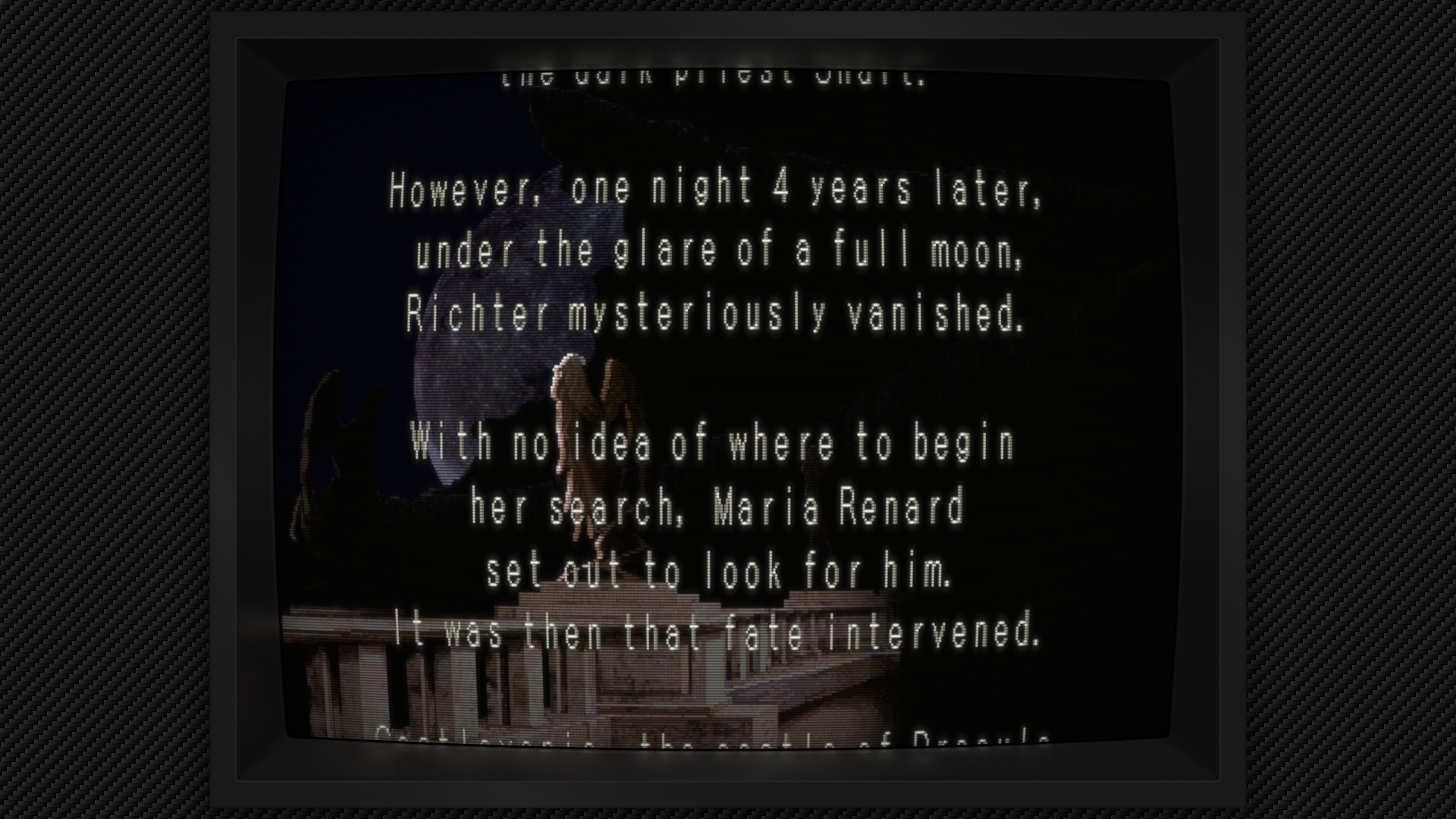
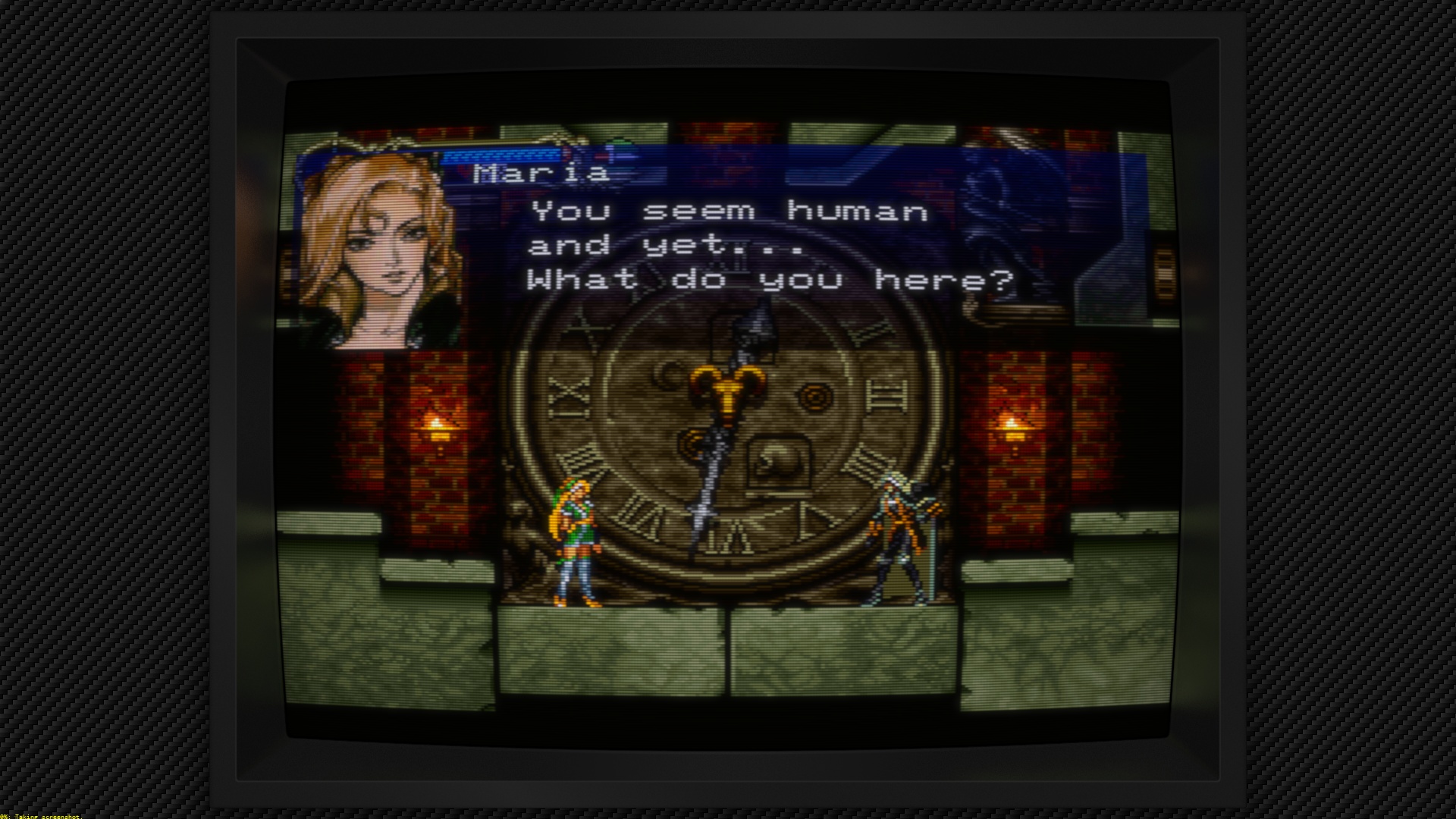
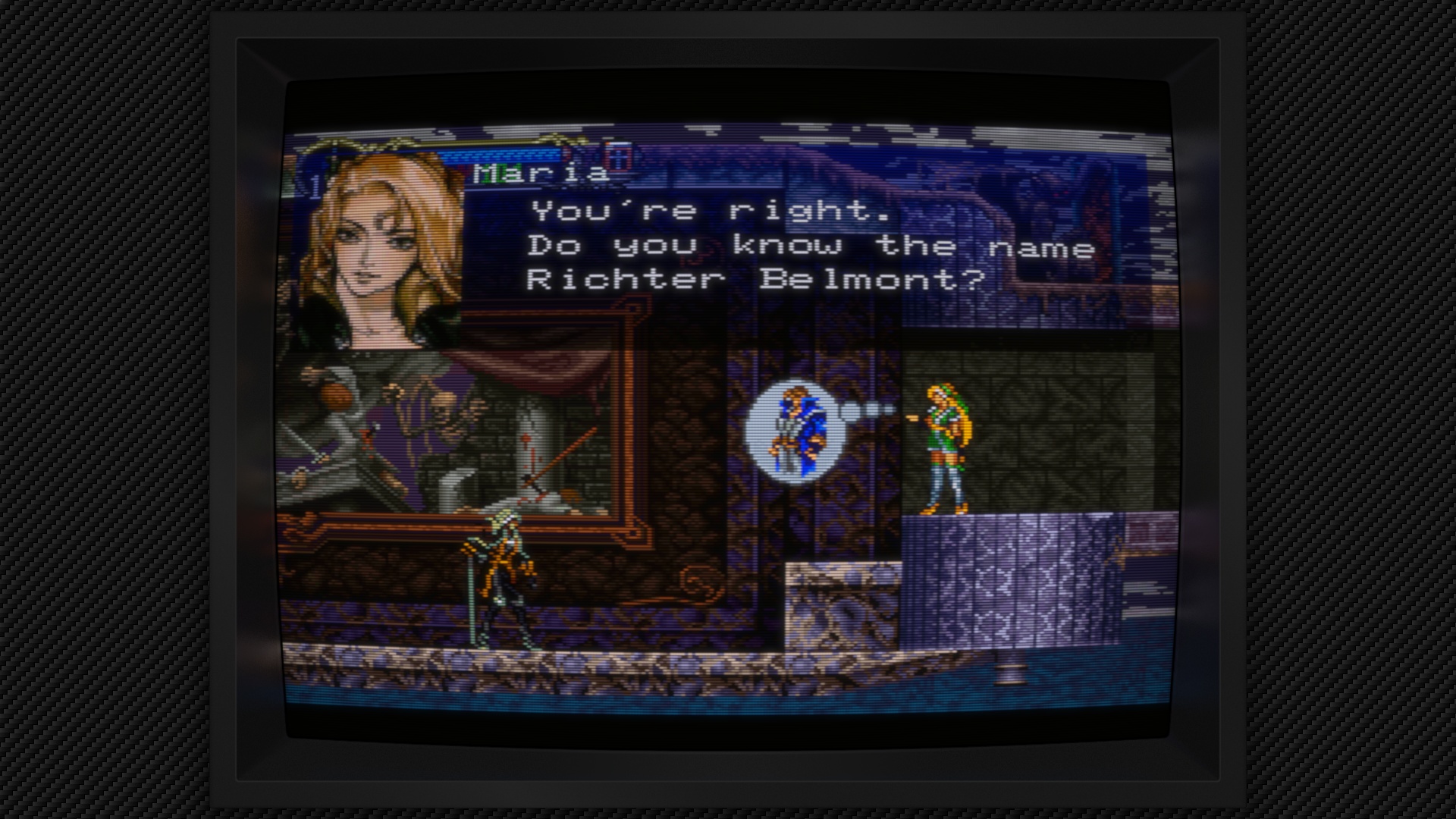
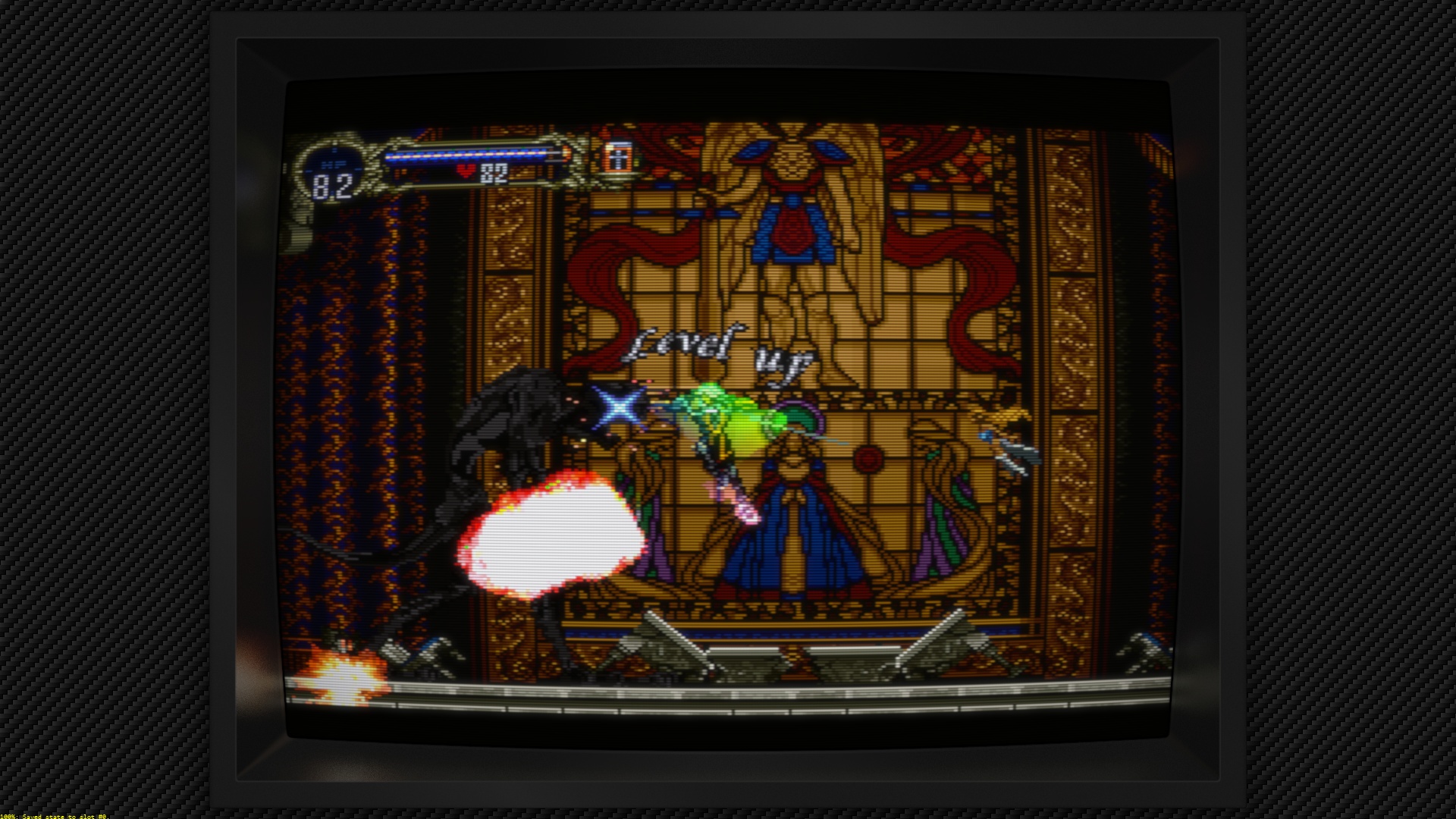
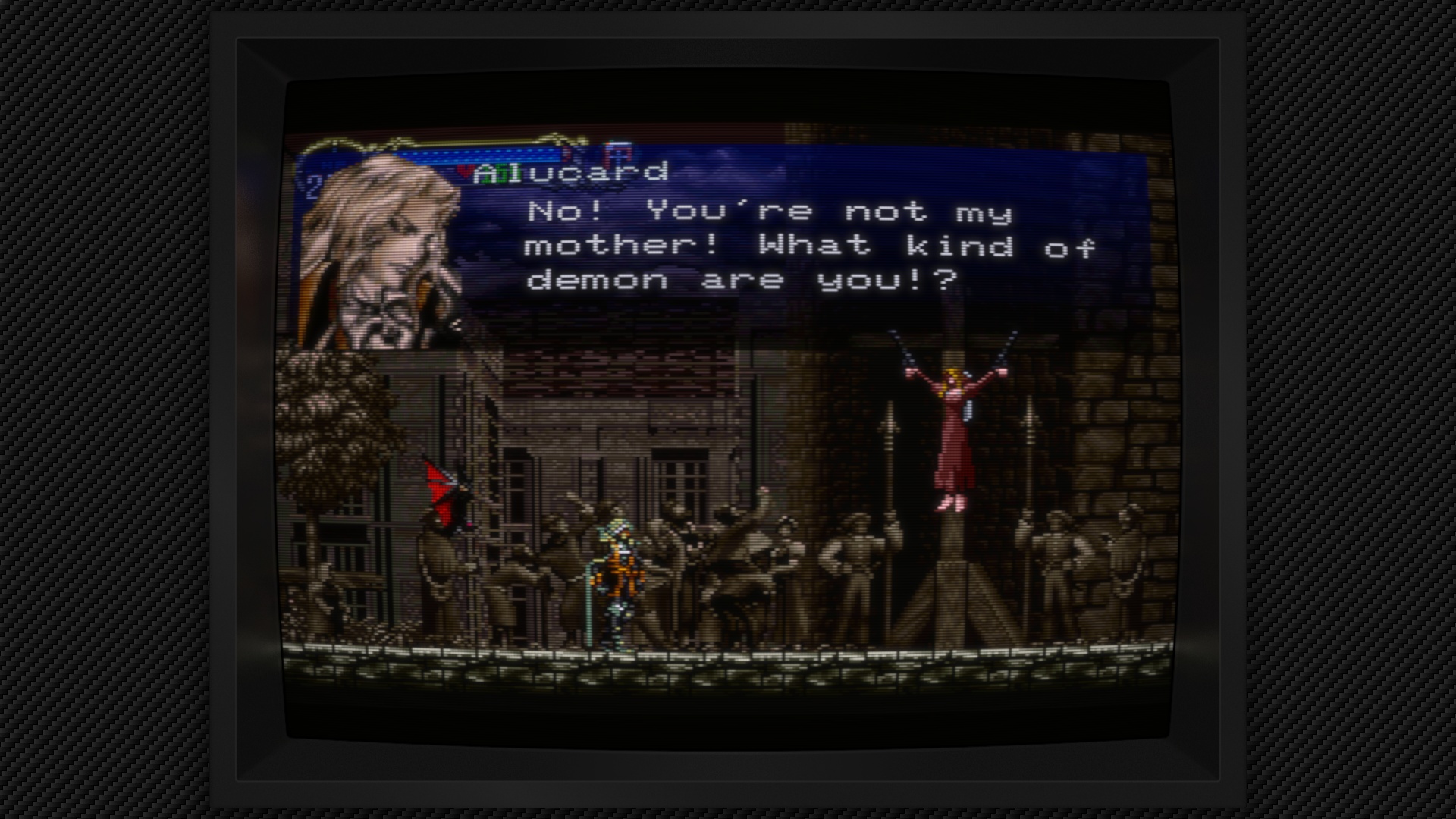
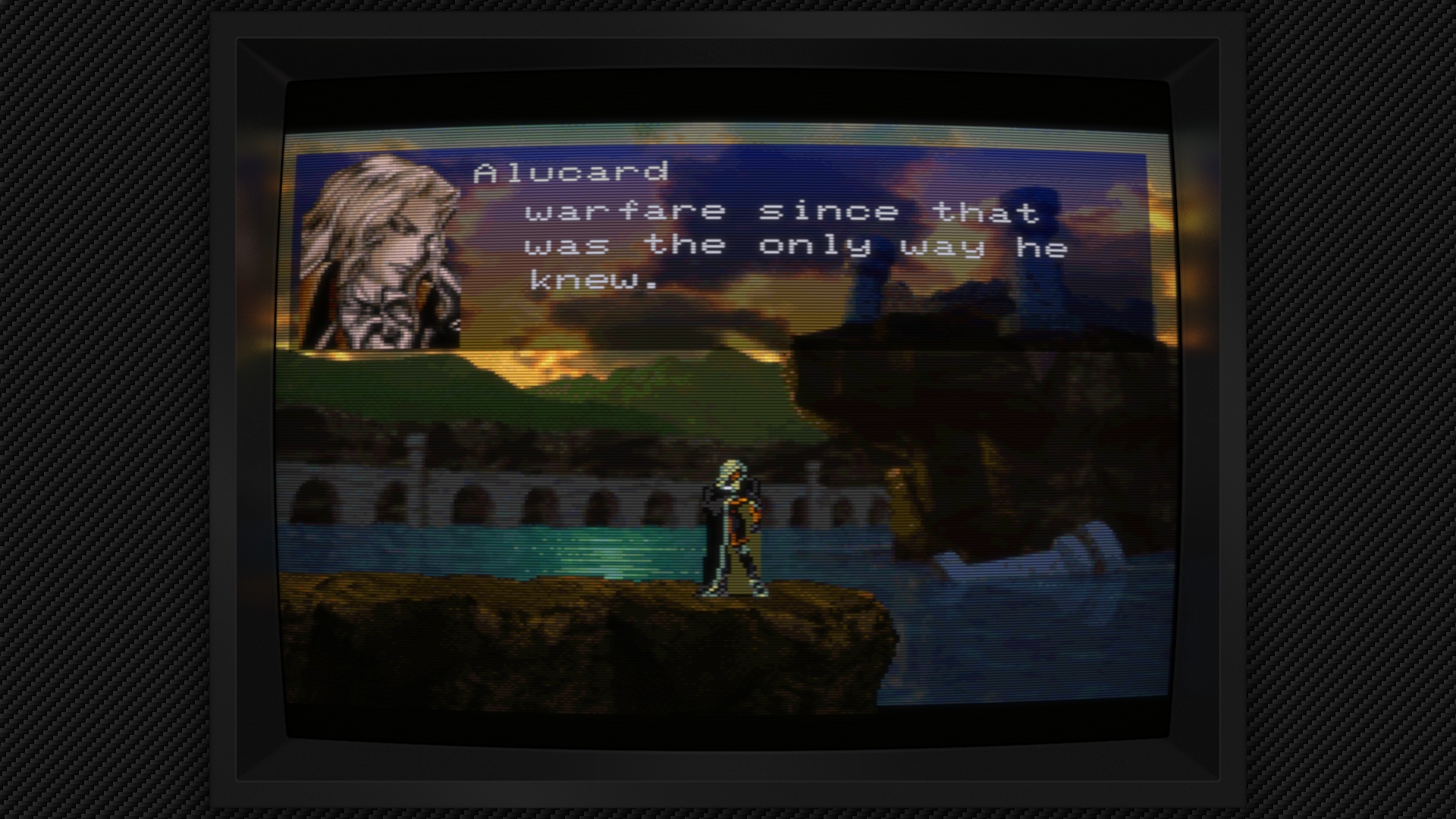
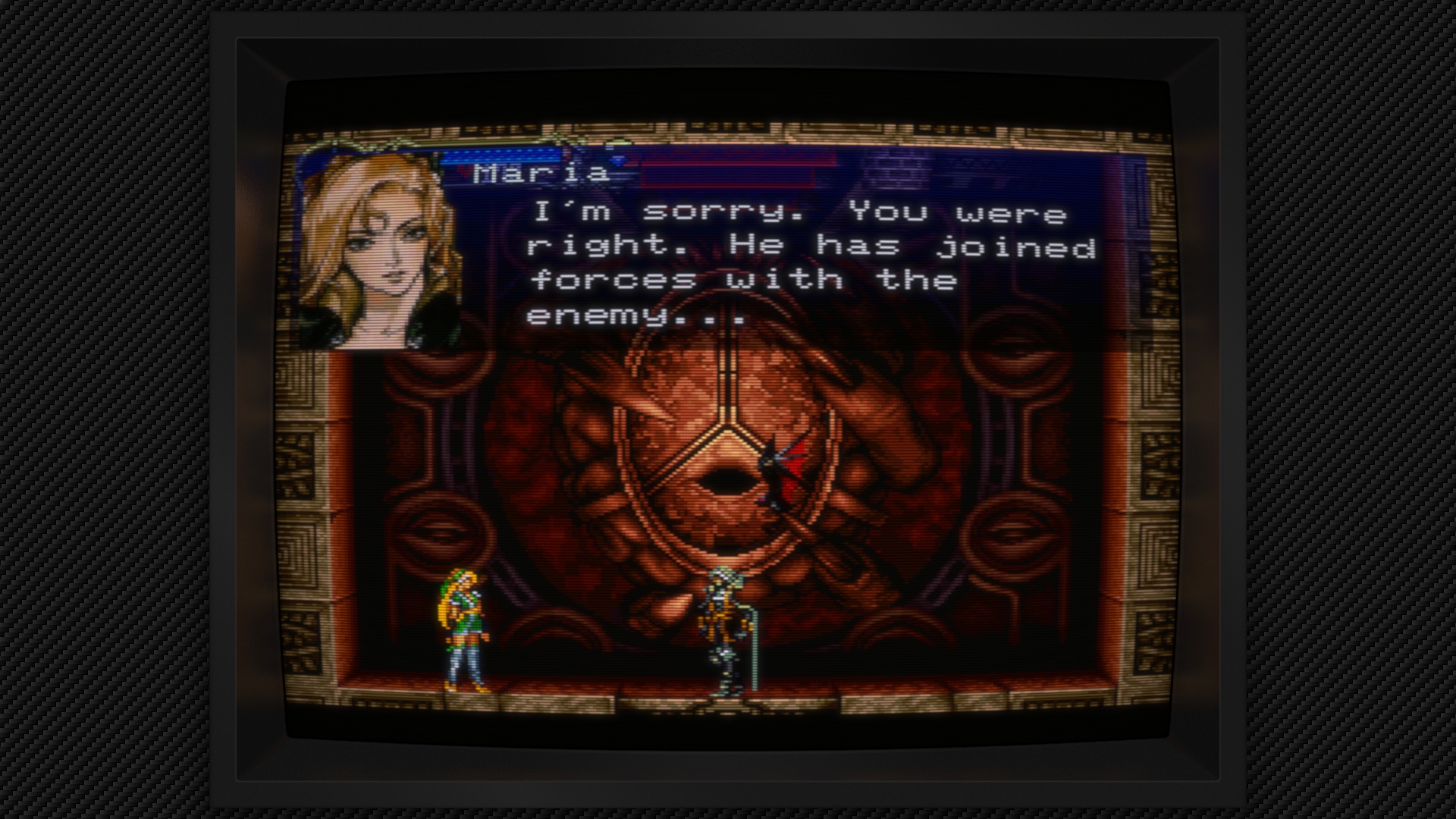
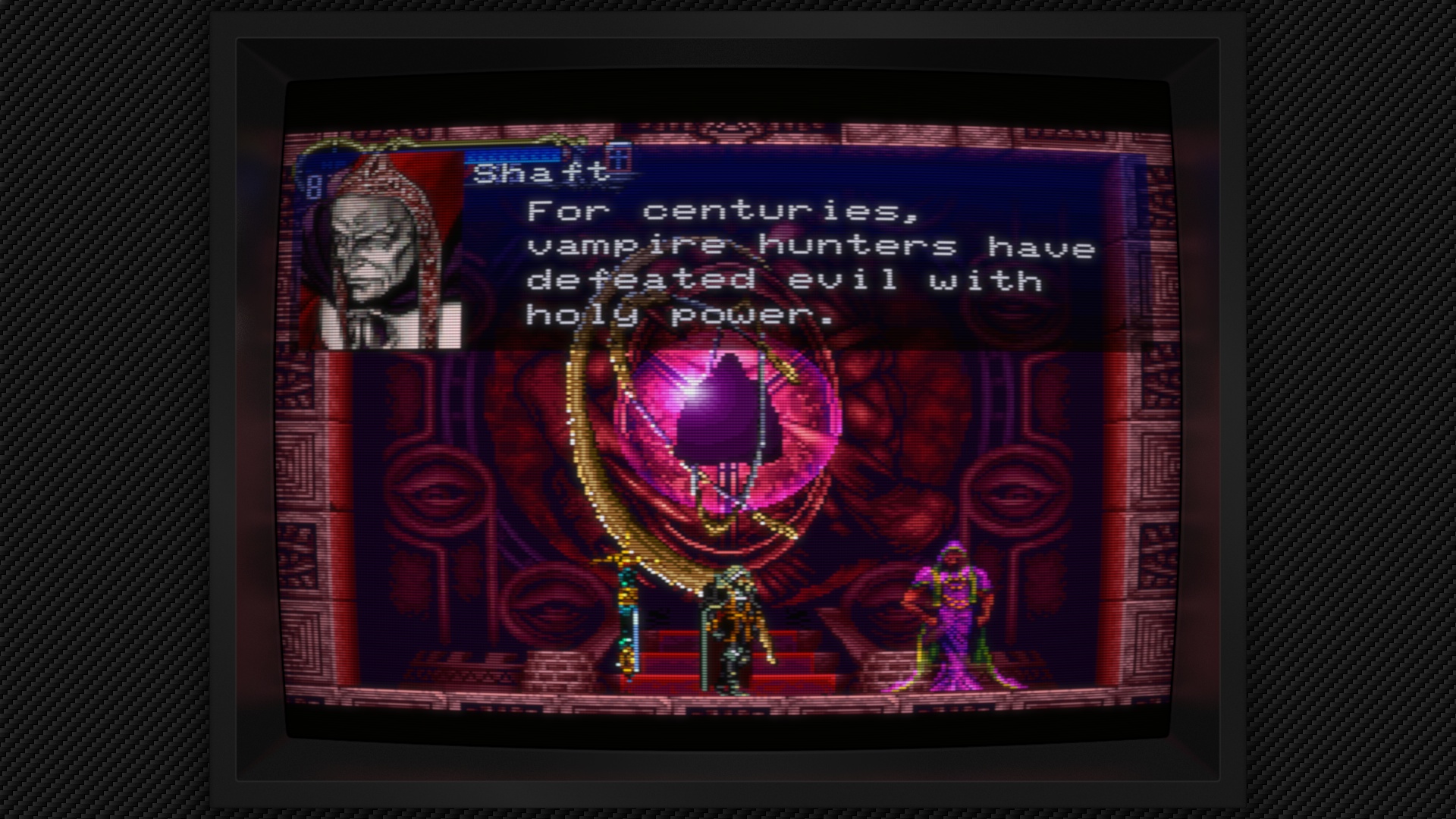
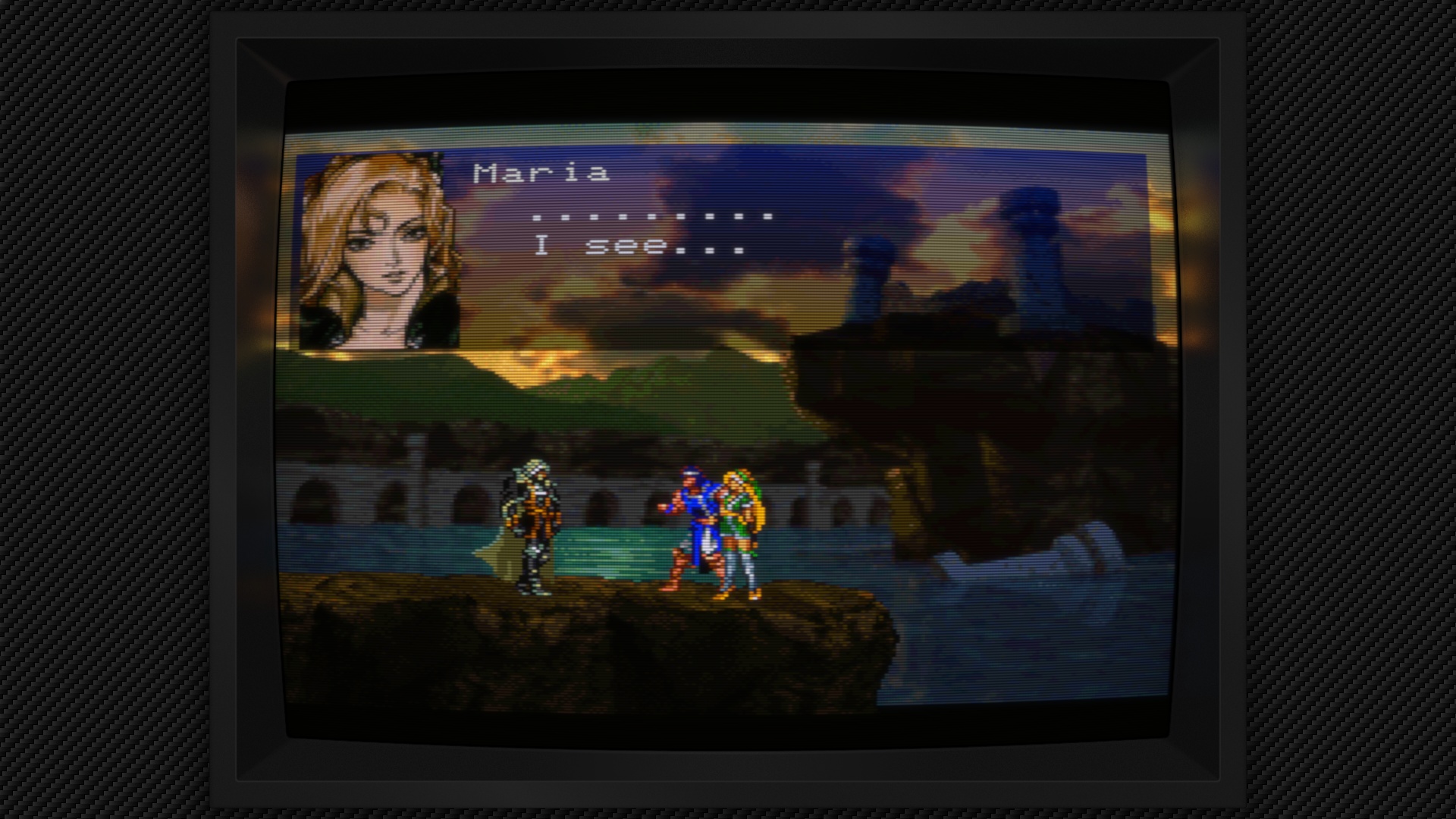
Symphony of the Night starts with a recreation of the final fight from Rondo of Blood, which was a Japanese exclusive, with Richter Belmont defeating Dracula – although Maria will help out if you manage to die (being the into the game, it’s a lot easier than the original version). We cut to four years later and Castlevania is back and Richter is missing, with Maria looking for him. Alucard senses that there is nobody to stop Dracula this time, so decides to try himself, encountering Maria on the way.
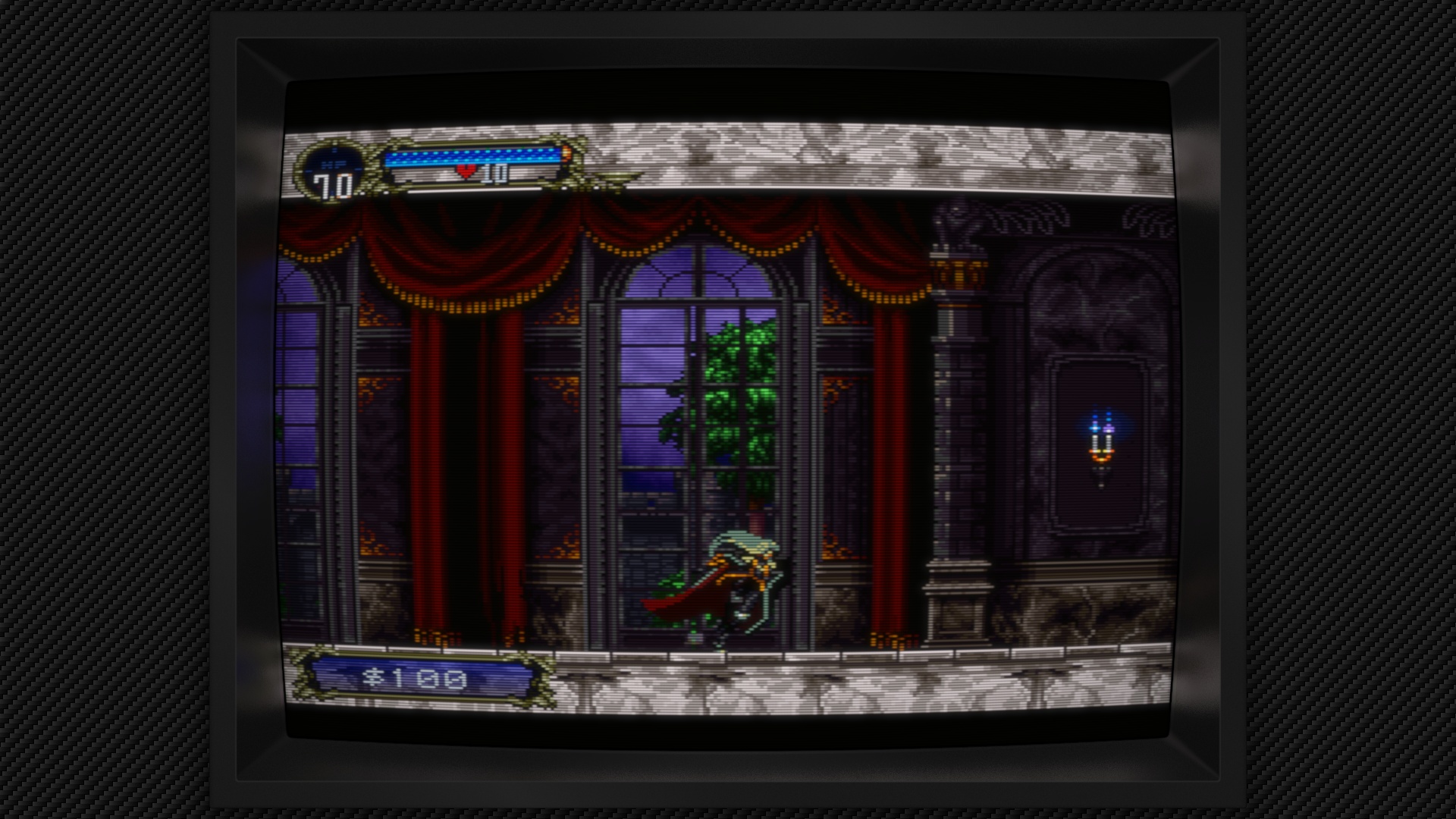
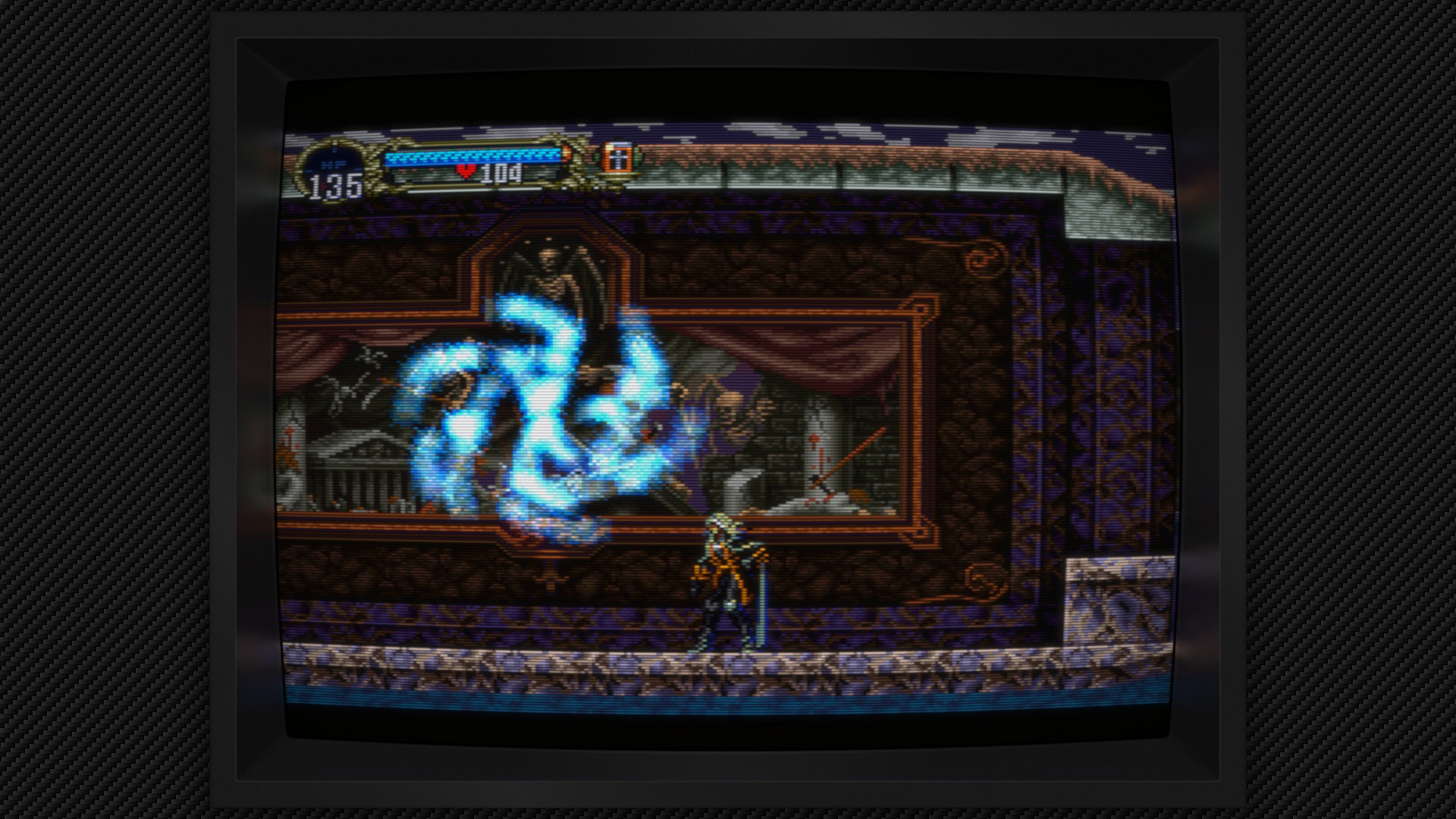
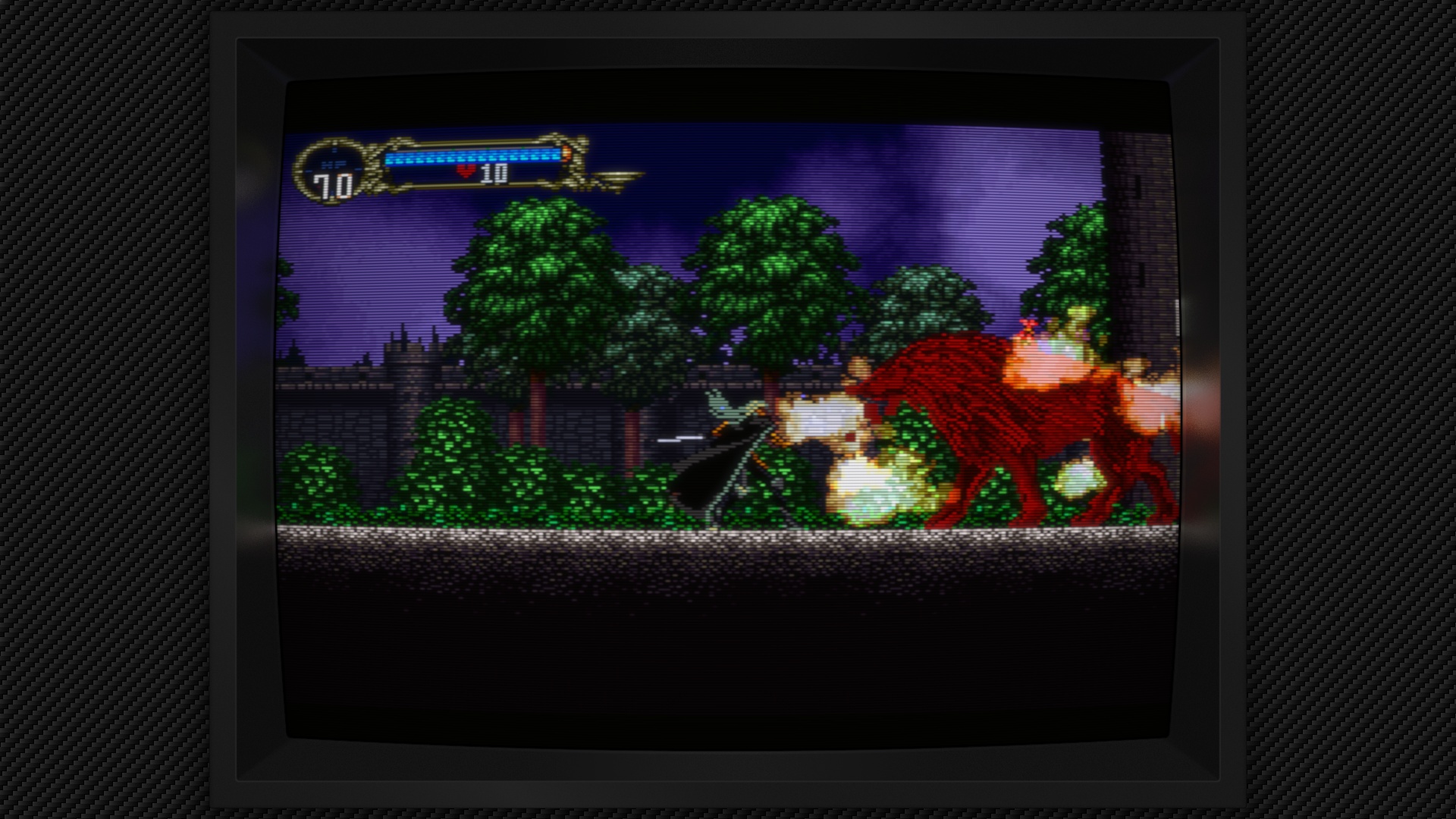
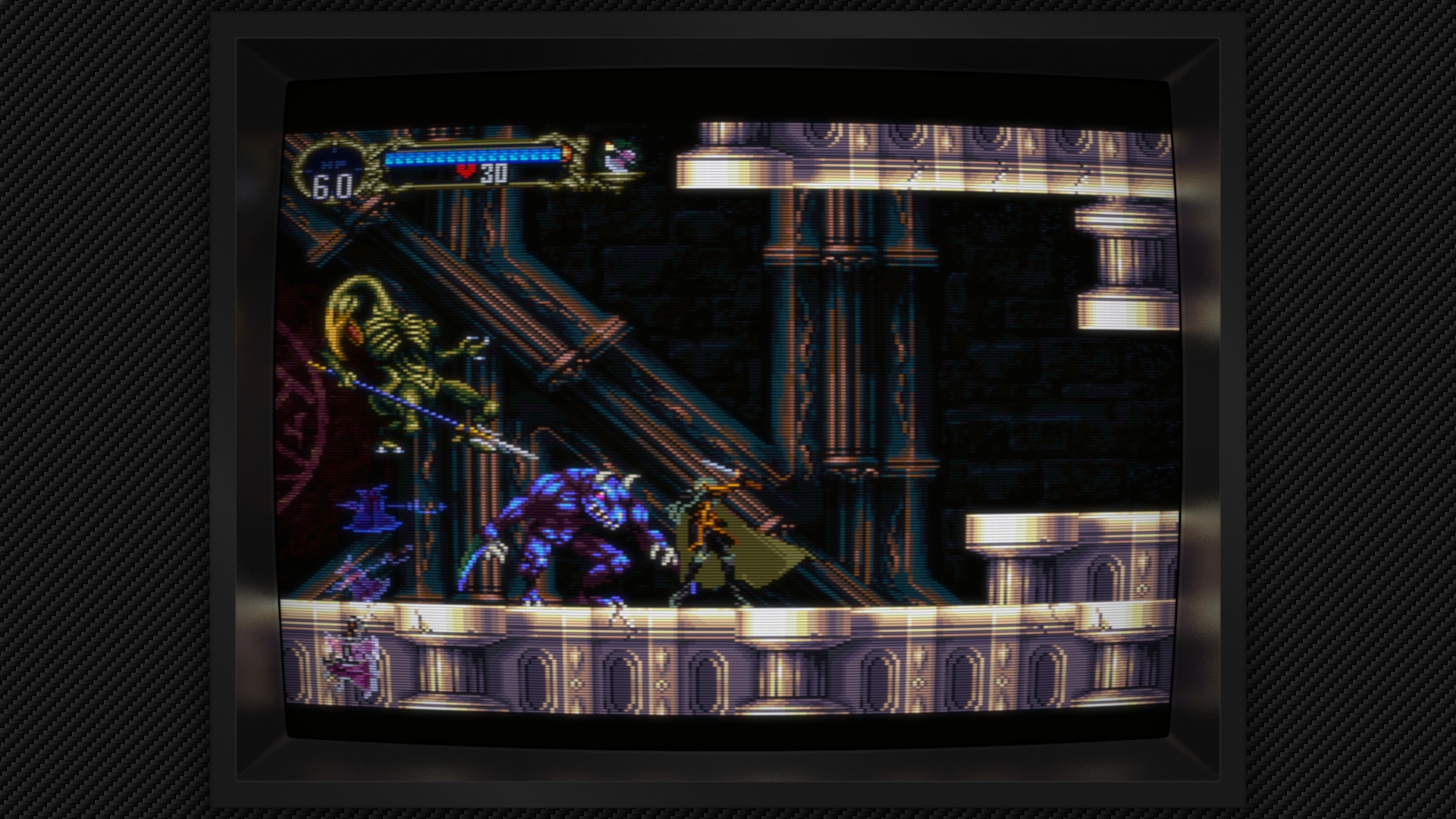
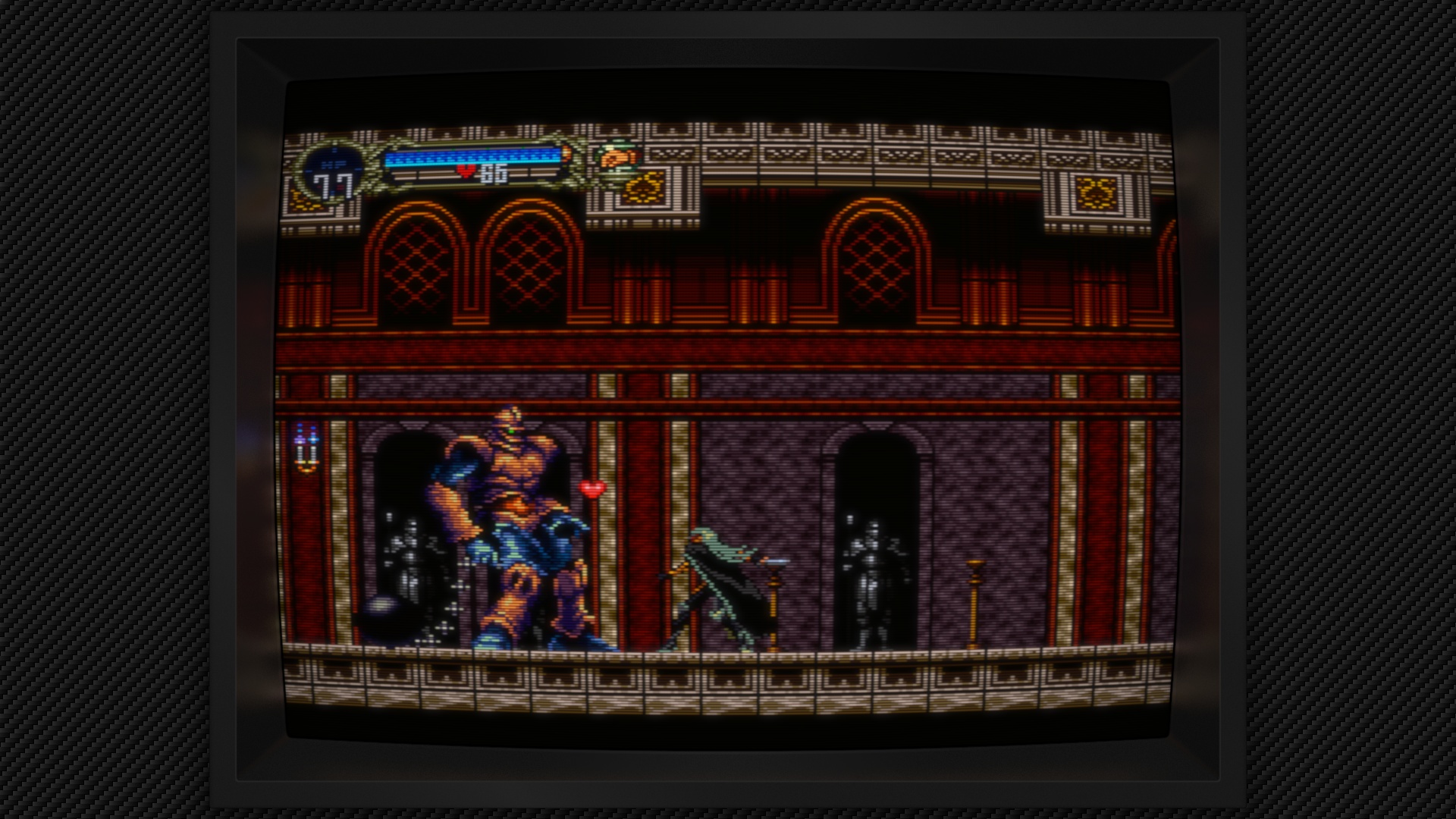
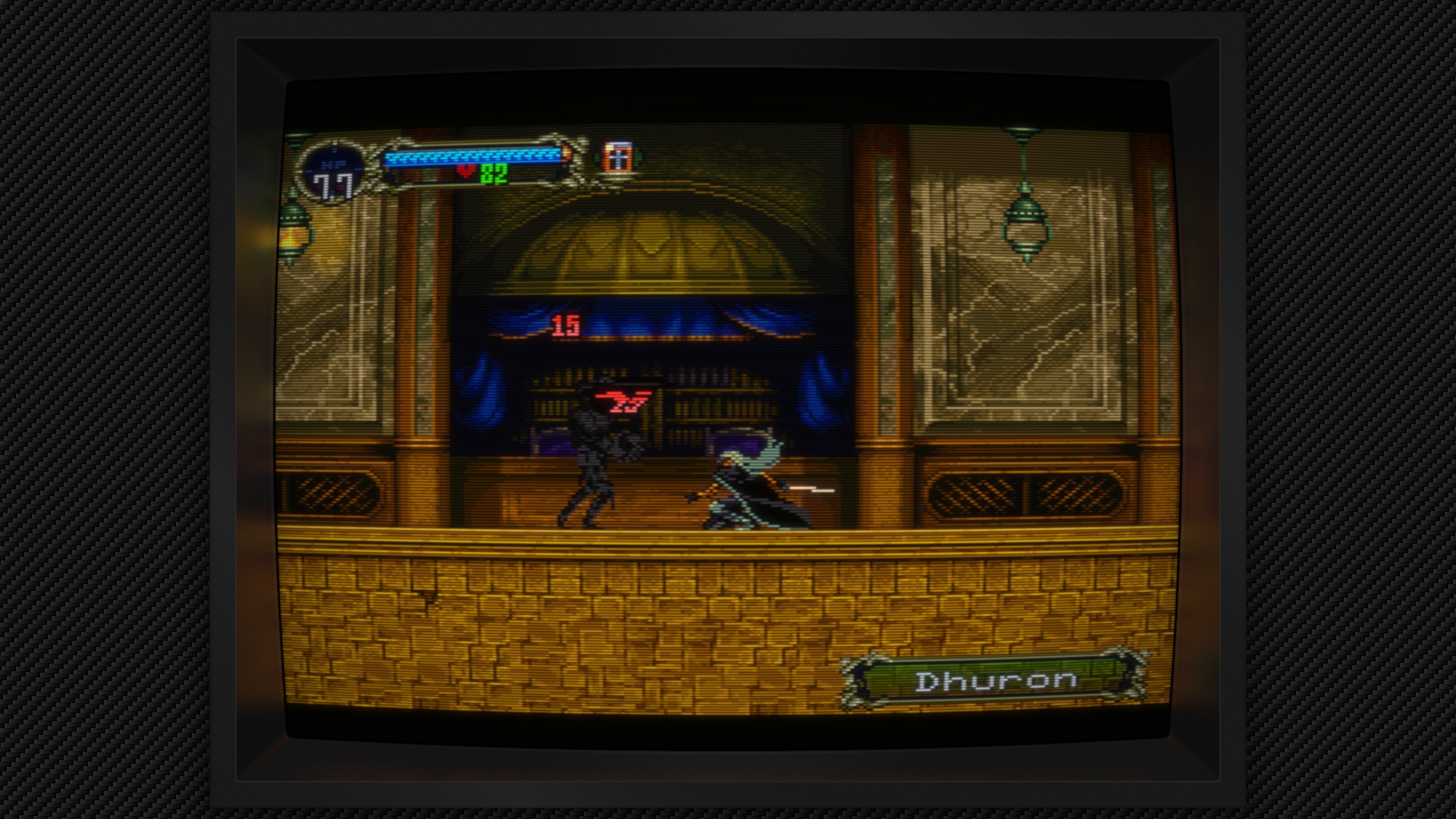
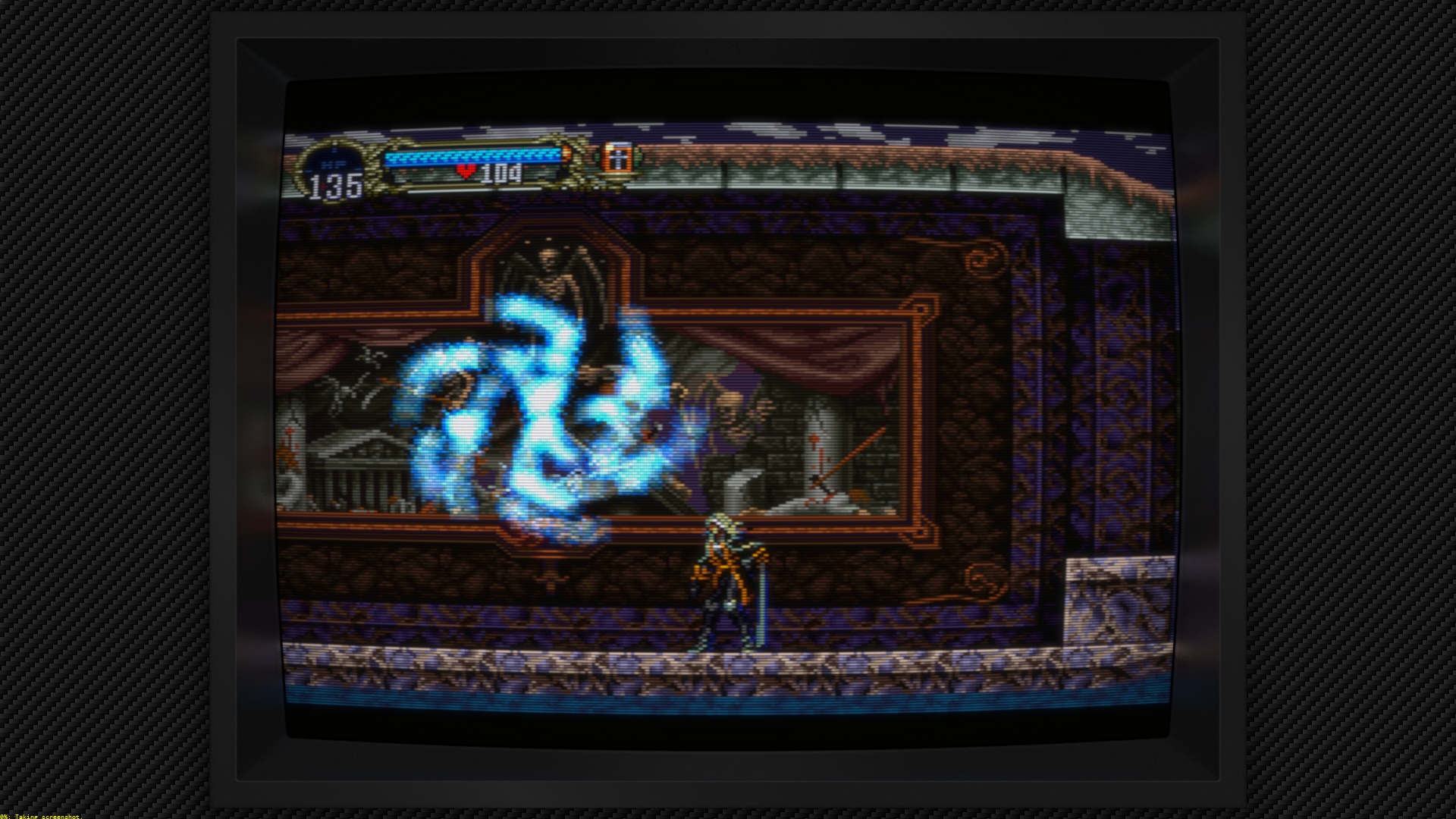
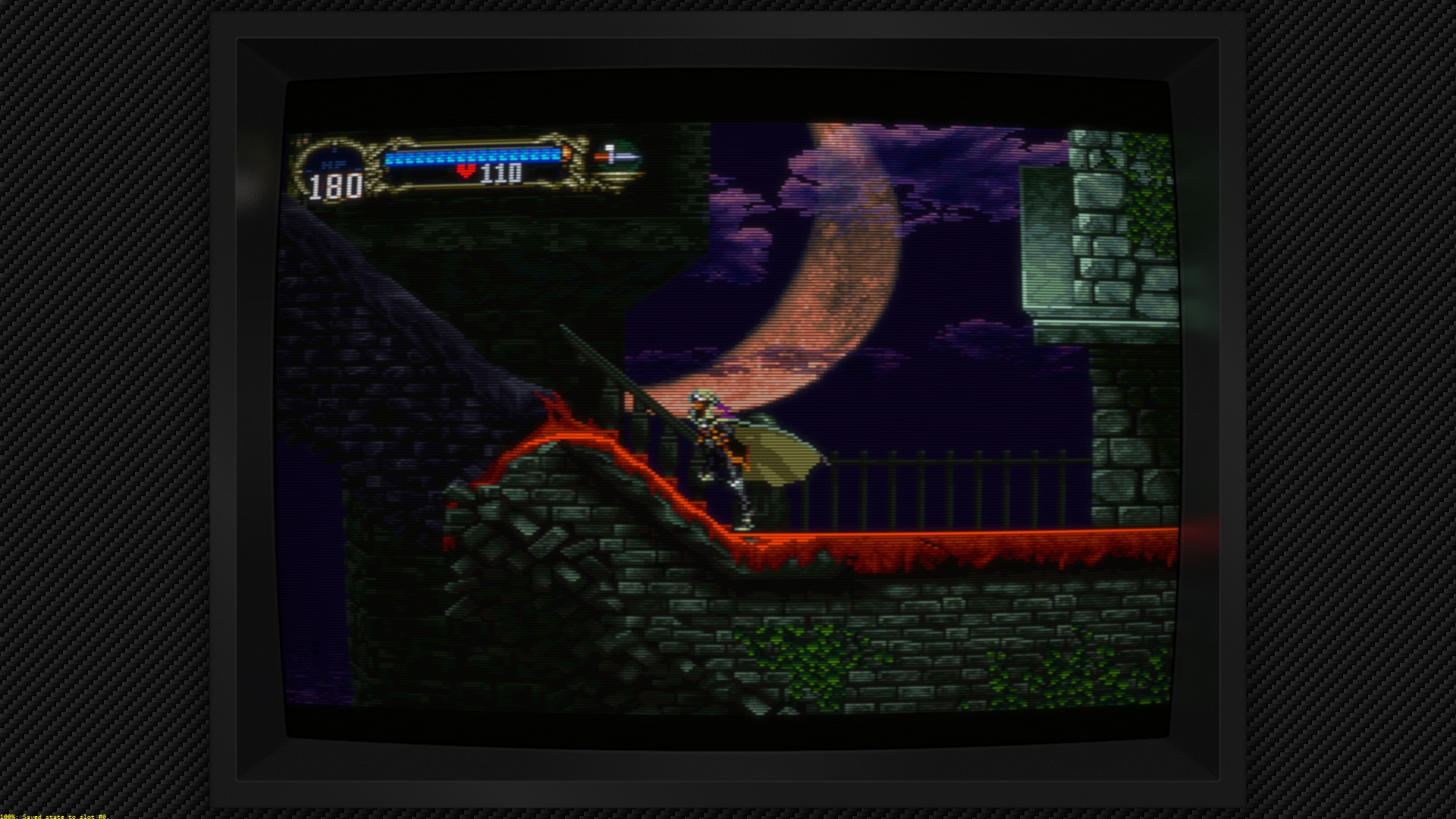
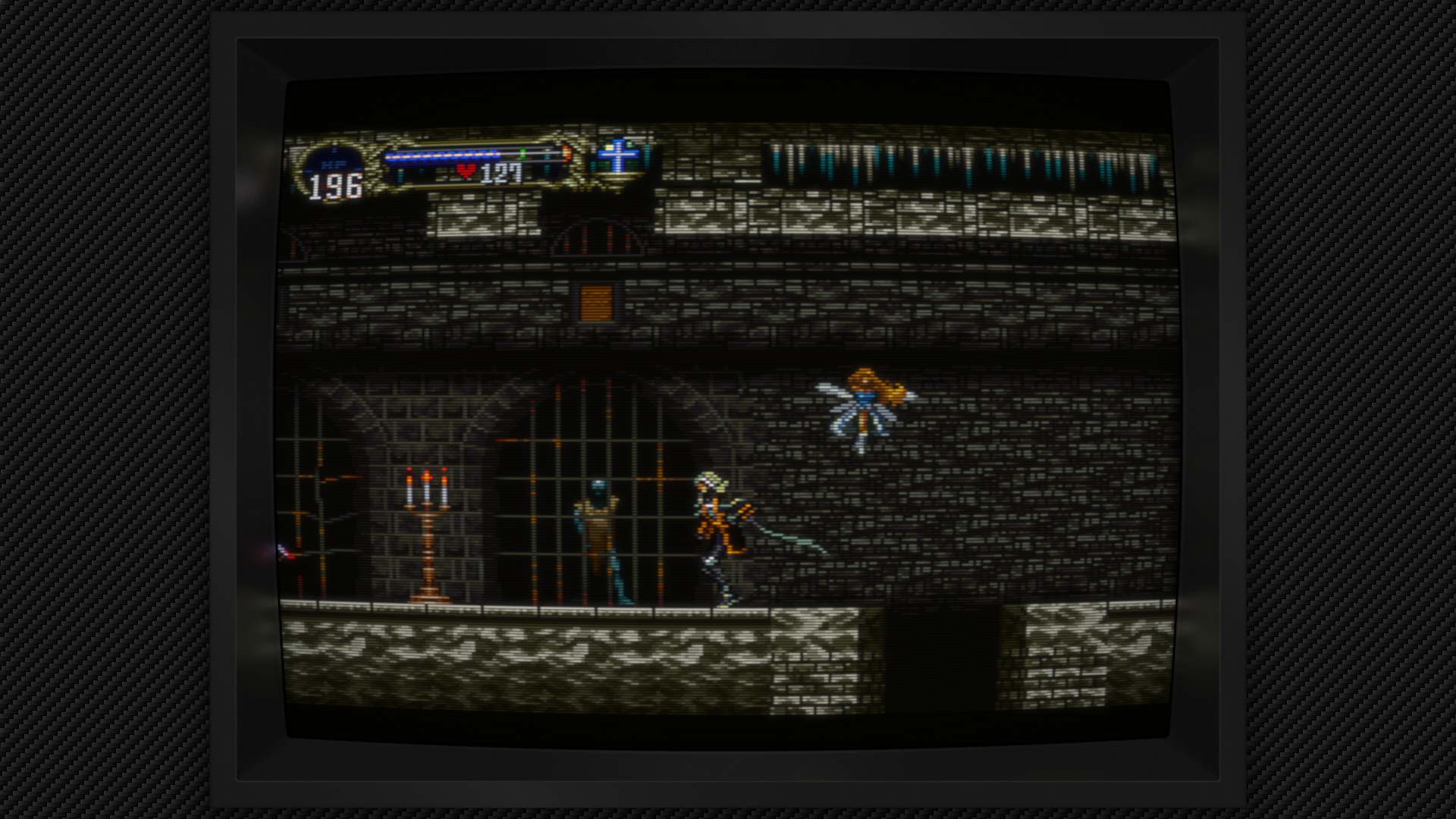
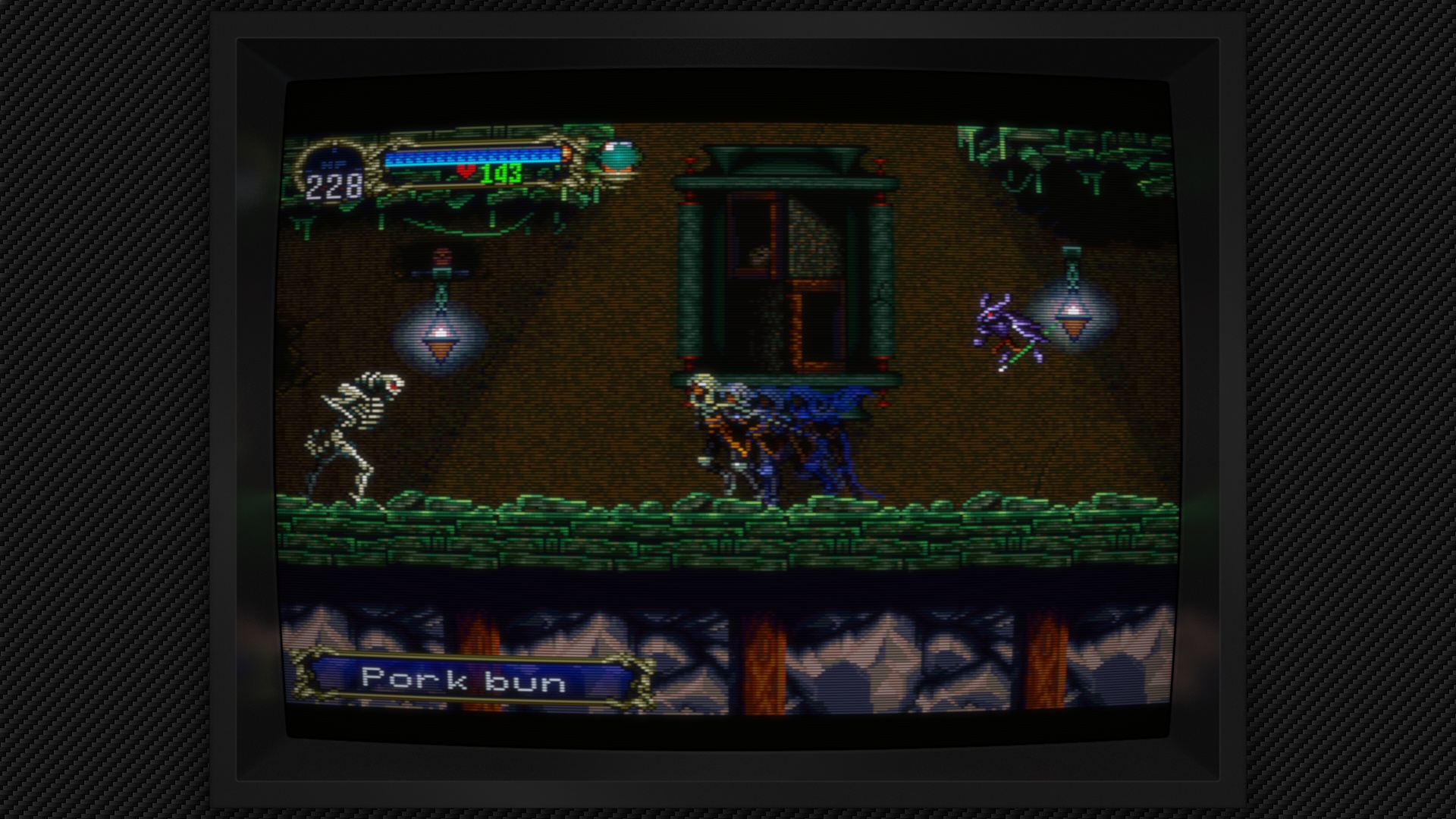
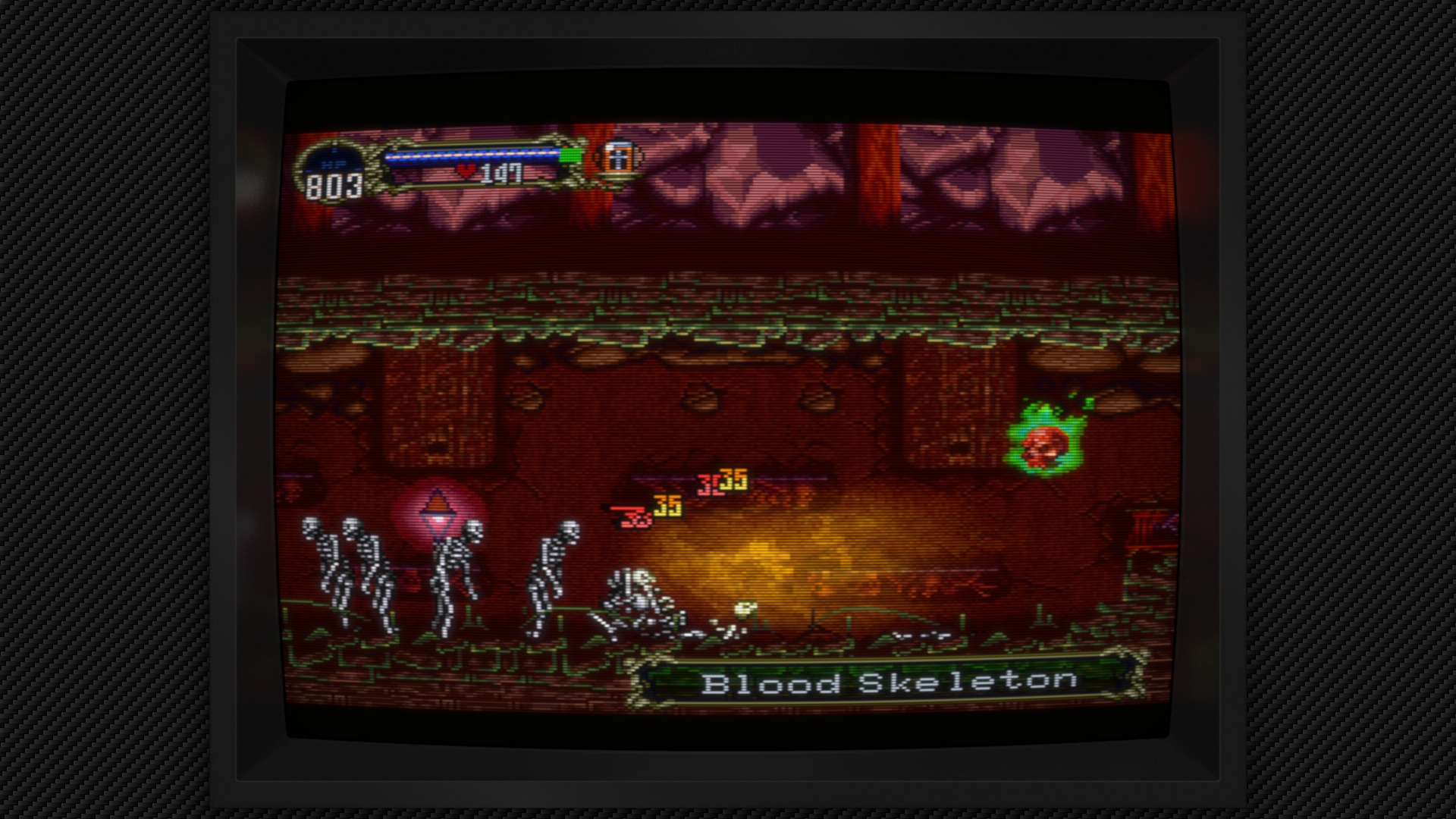
Alucard plays quite differently the characters of the previous games, with no whip item available to him. Instead, you will find a selection of different weapons to use, and can even equip different weapons to different hands to use both (although some are two-handed weapons). You can also assign consumables to these, like healing potions, which is really a big pain. In order to use one of them, you’ll need to pause, assign it to a slot, use it, pause again then reselect your weapon. The inventory menus themselves are quite cumbersome, too.
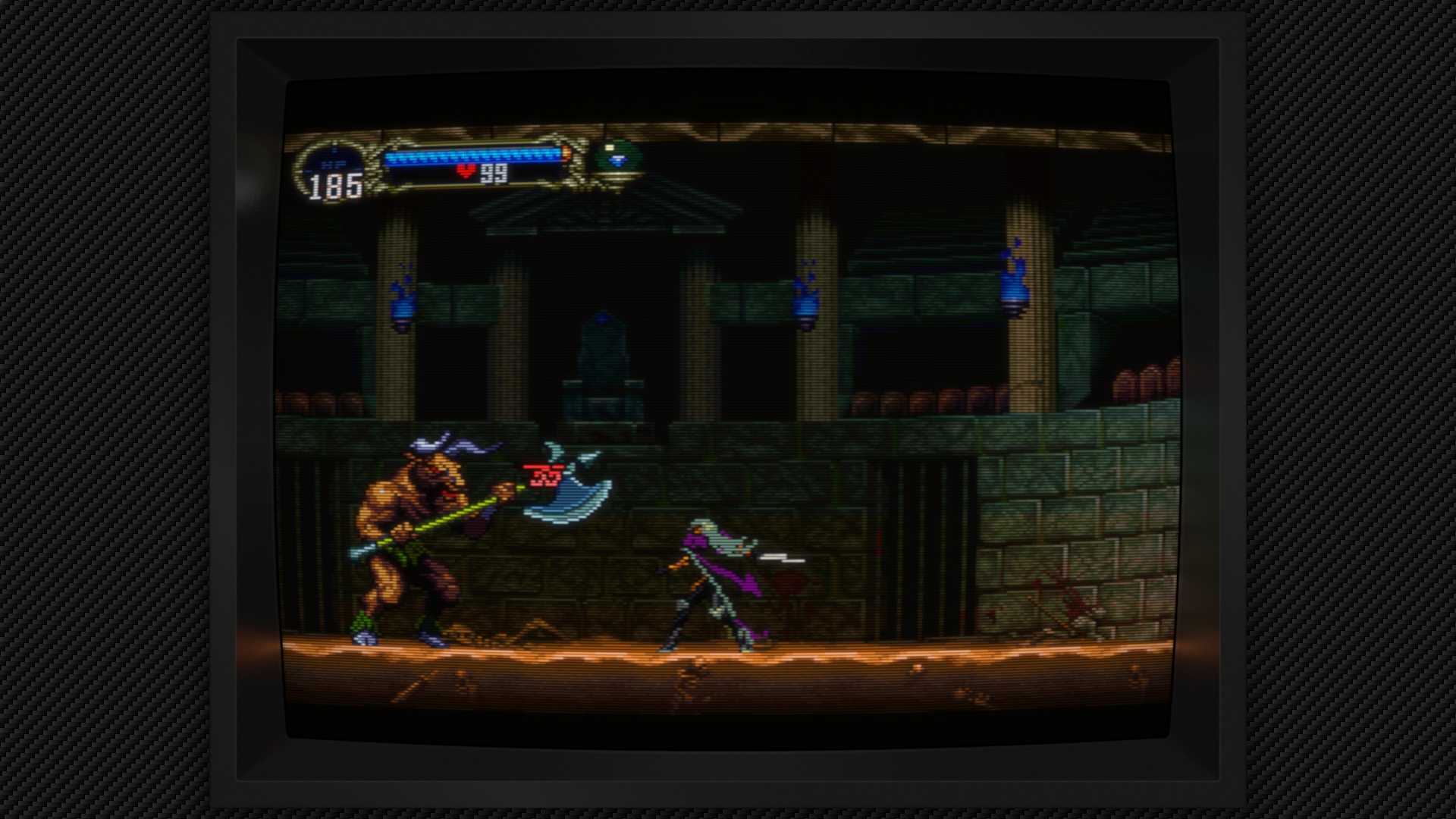
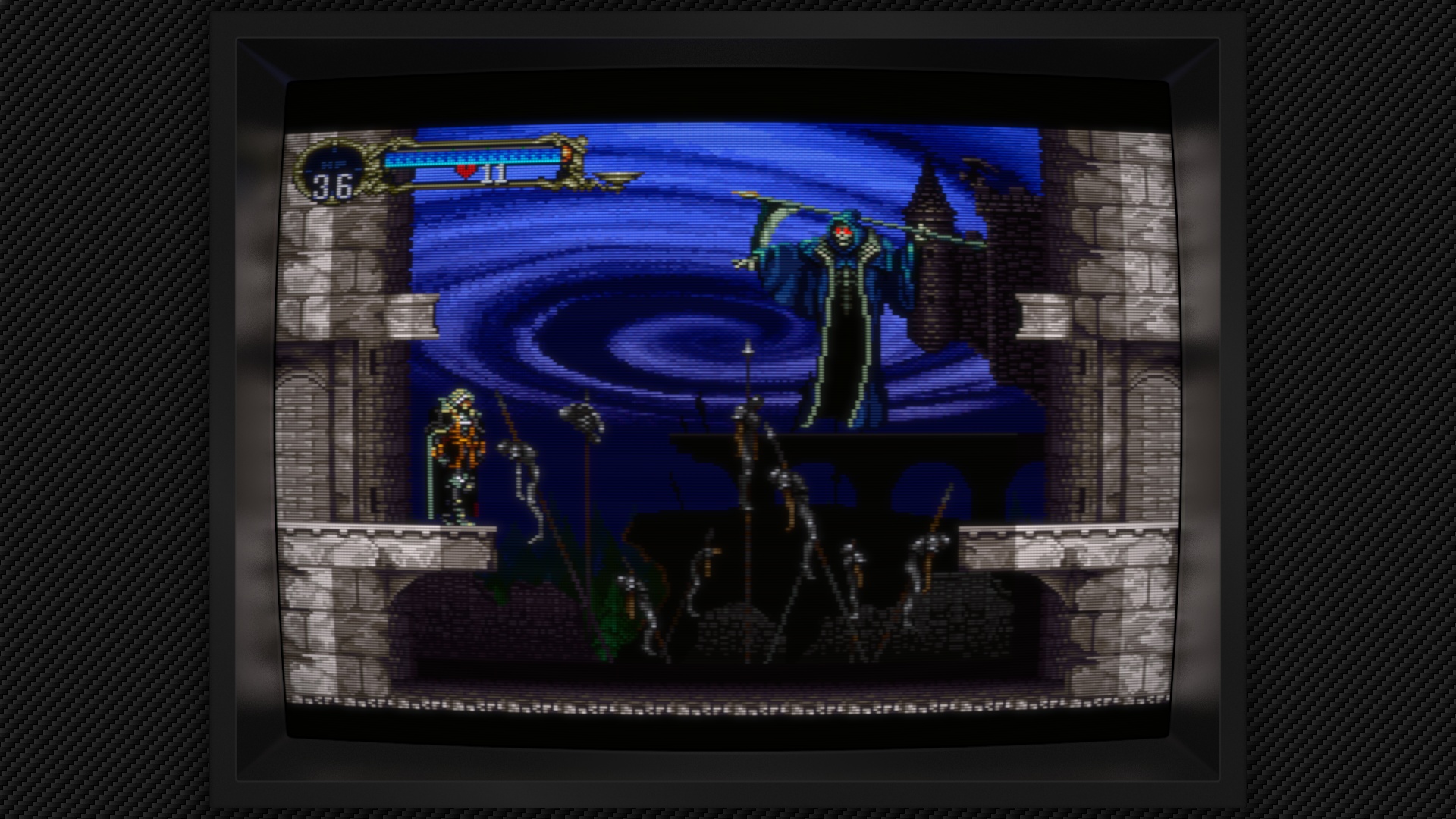
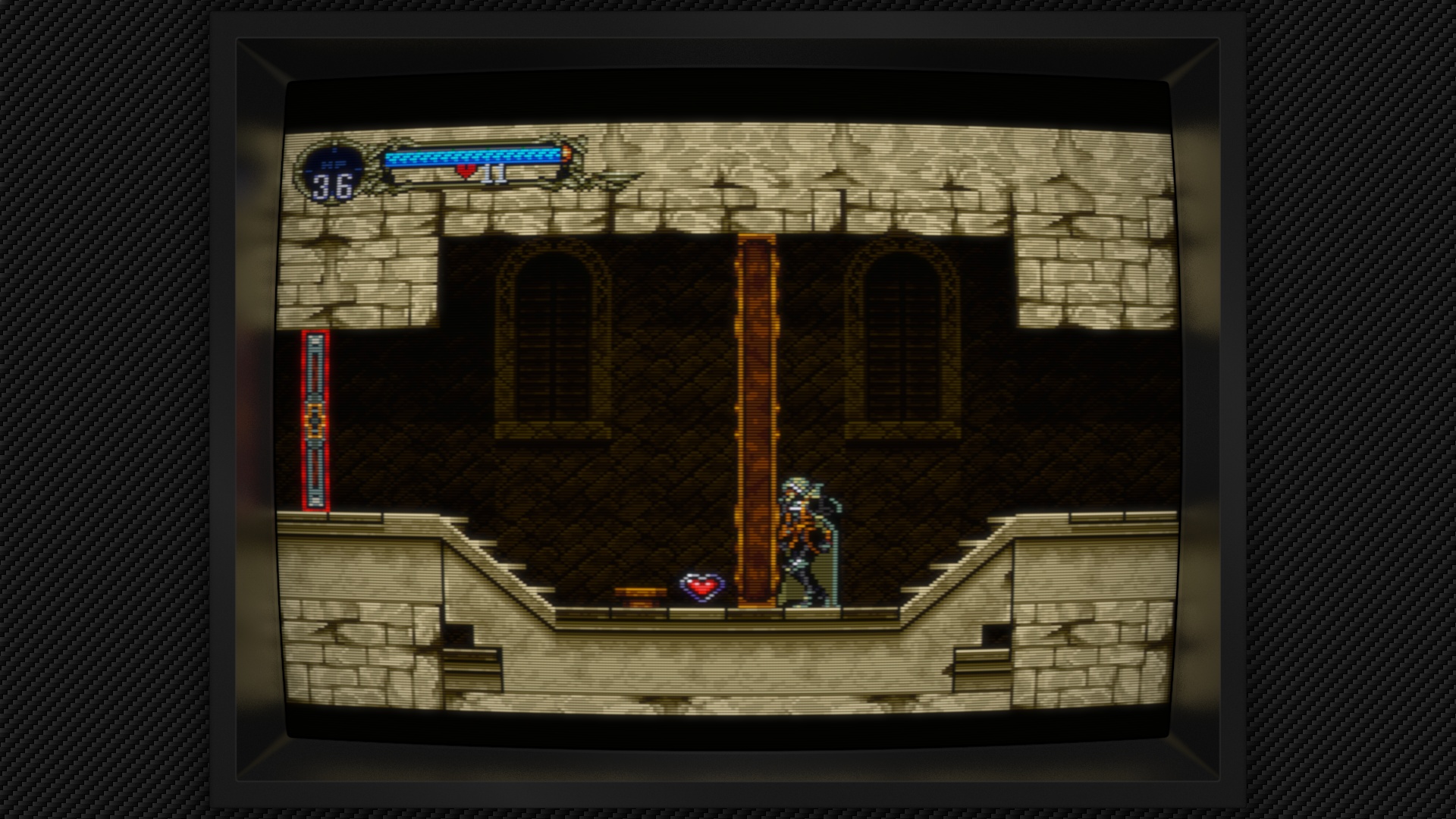
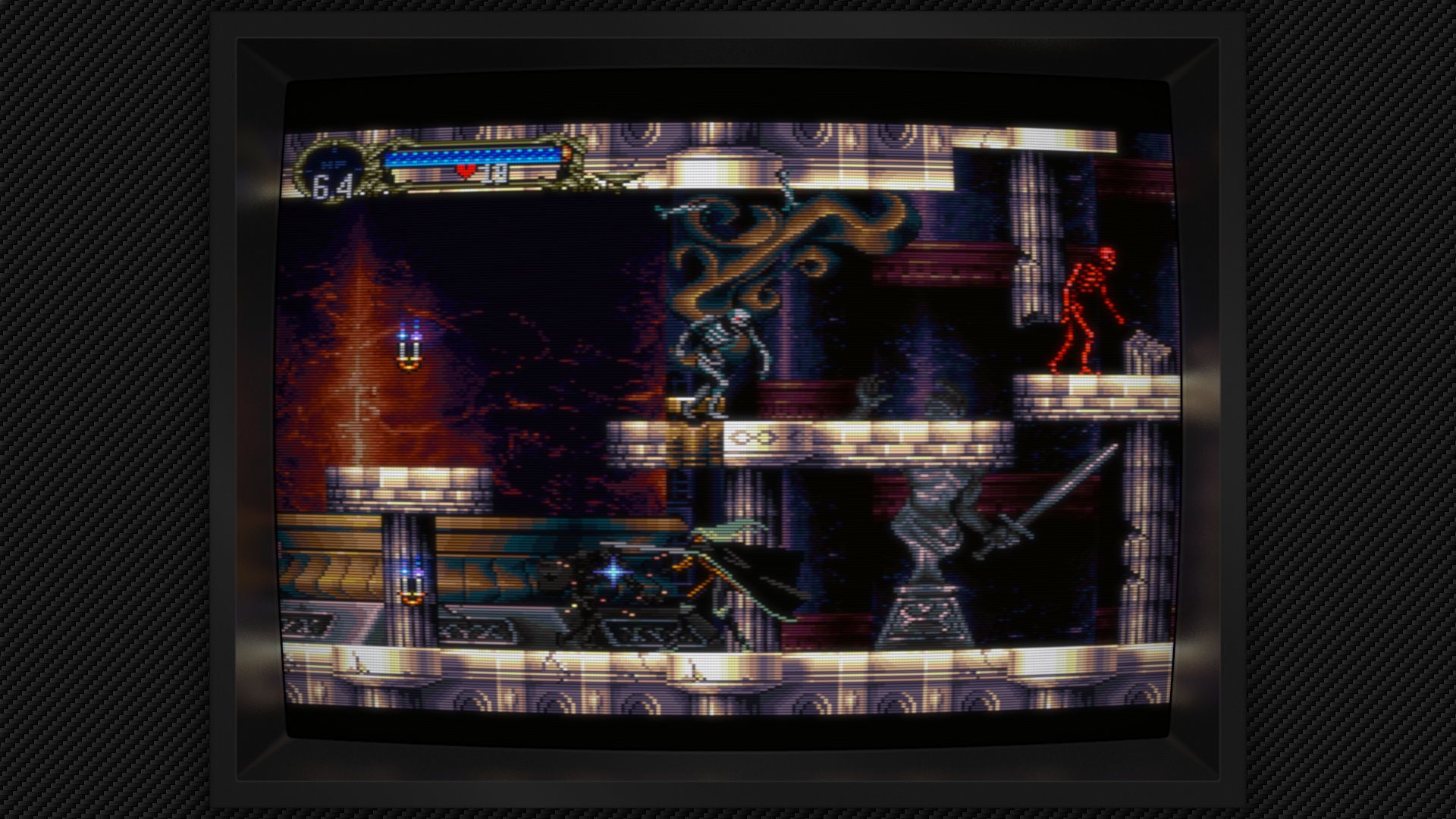
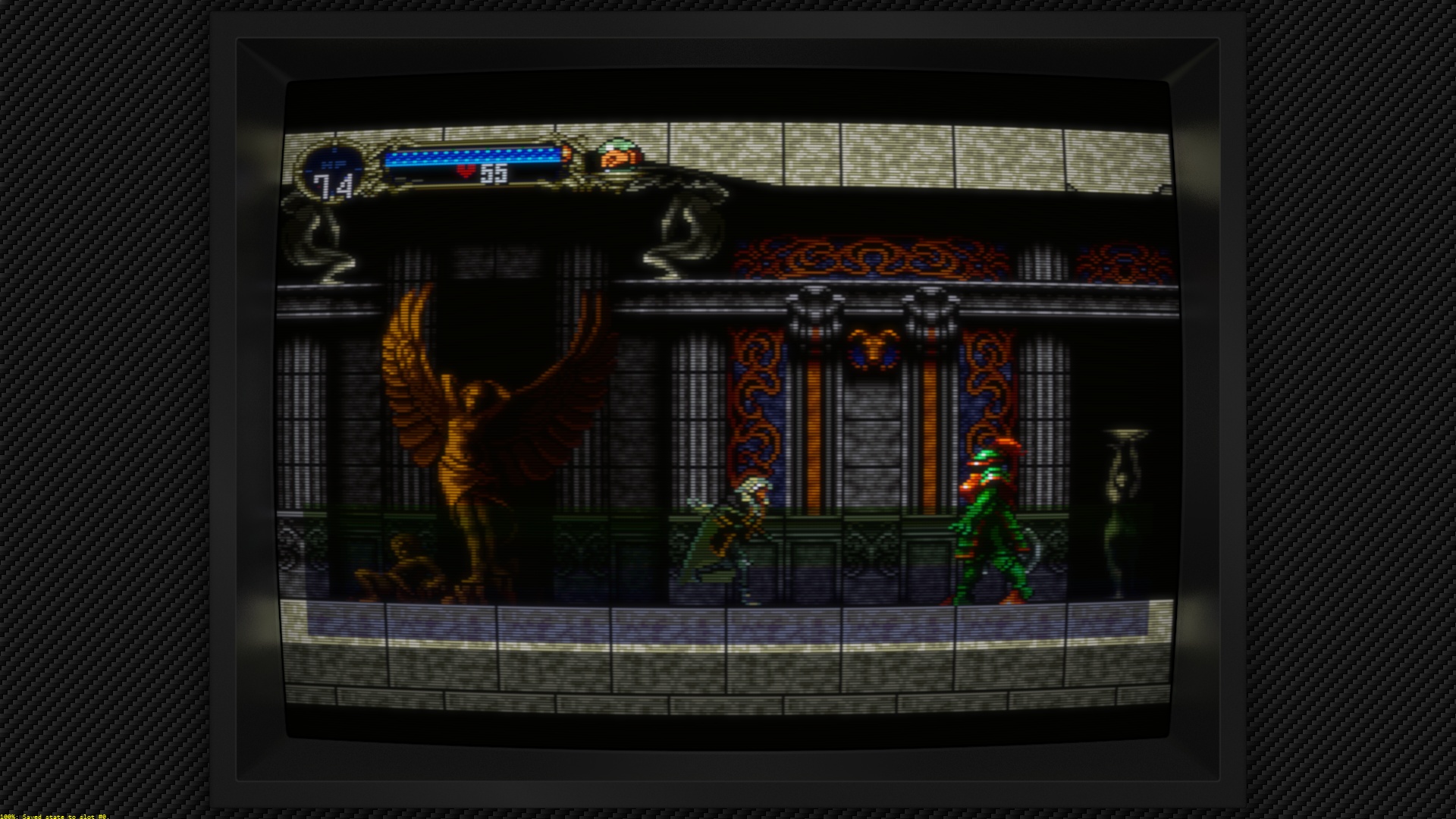
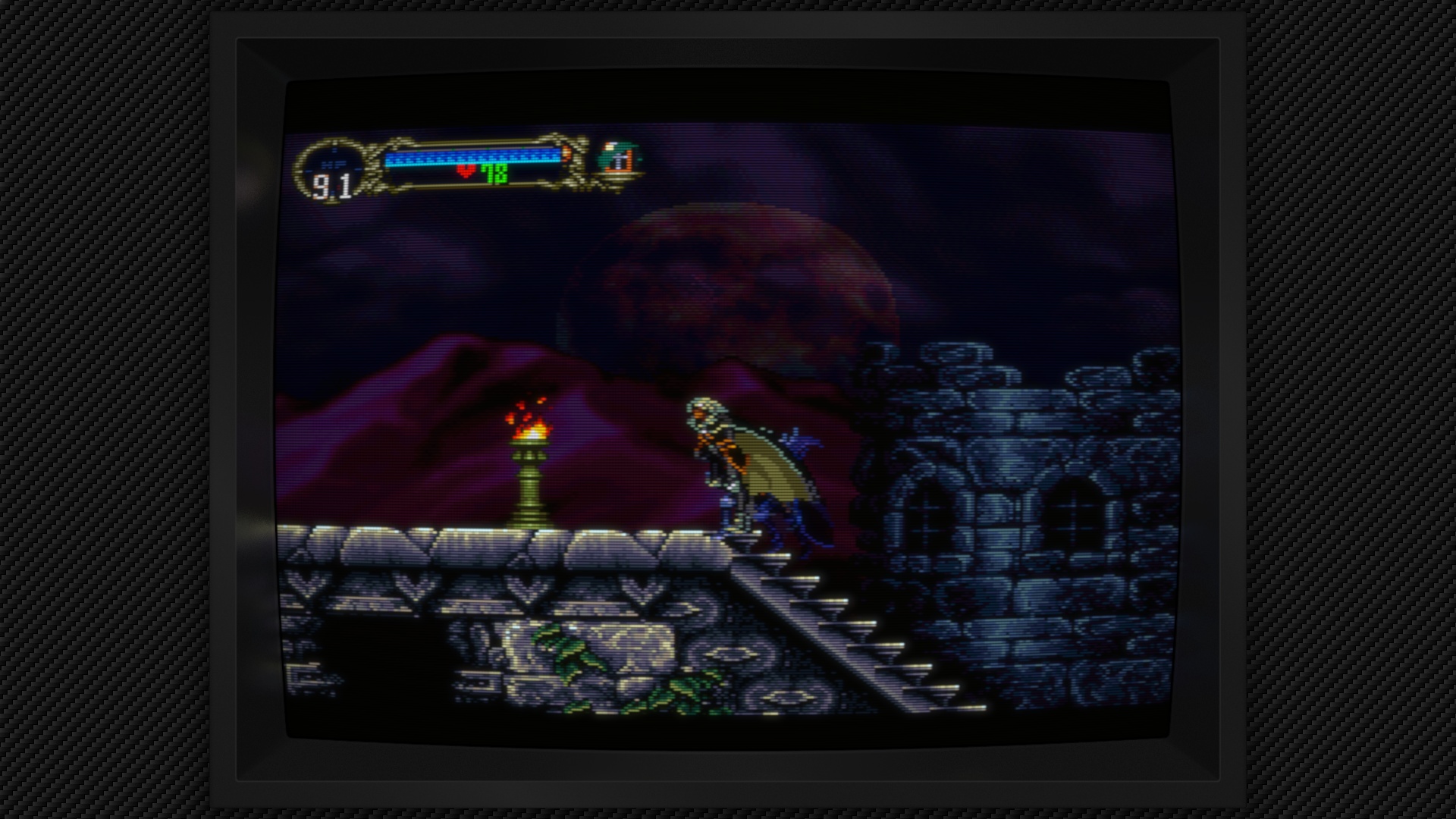
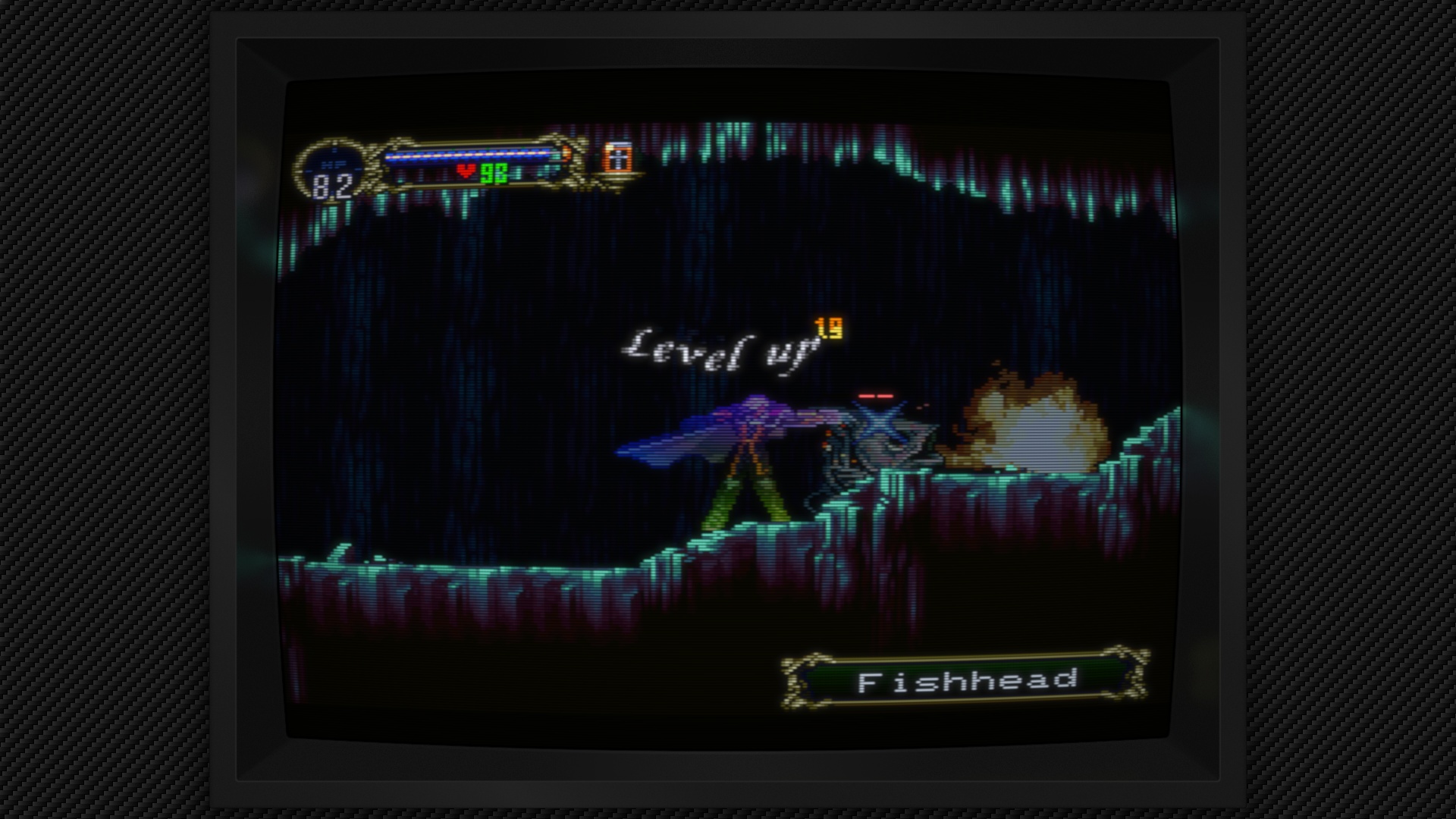
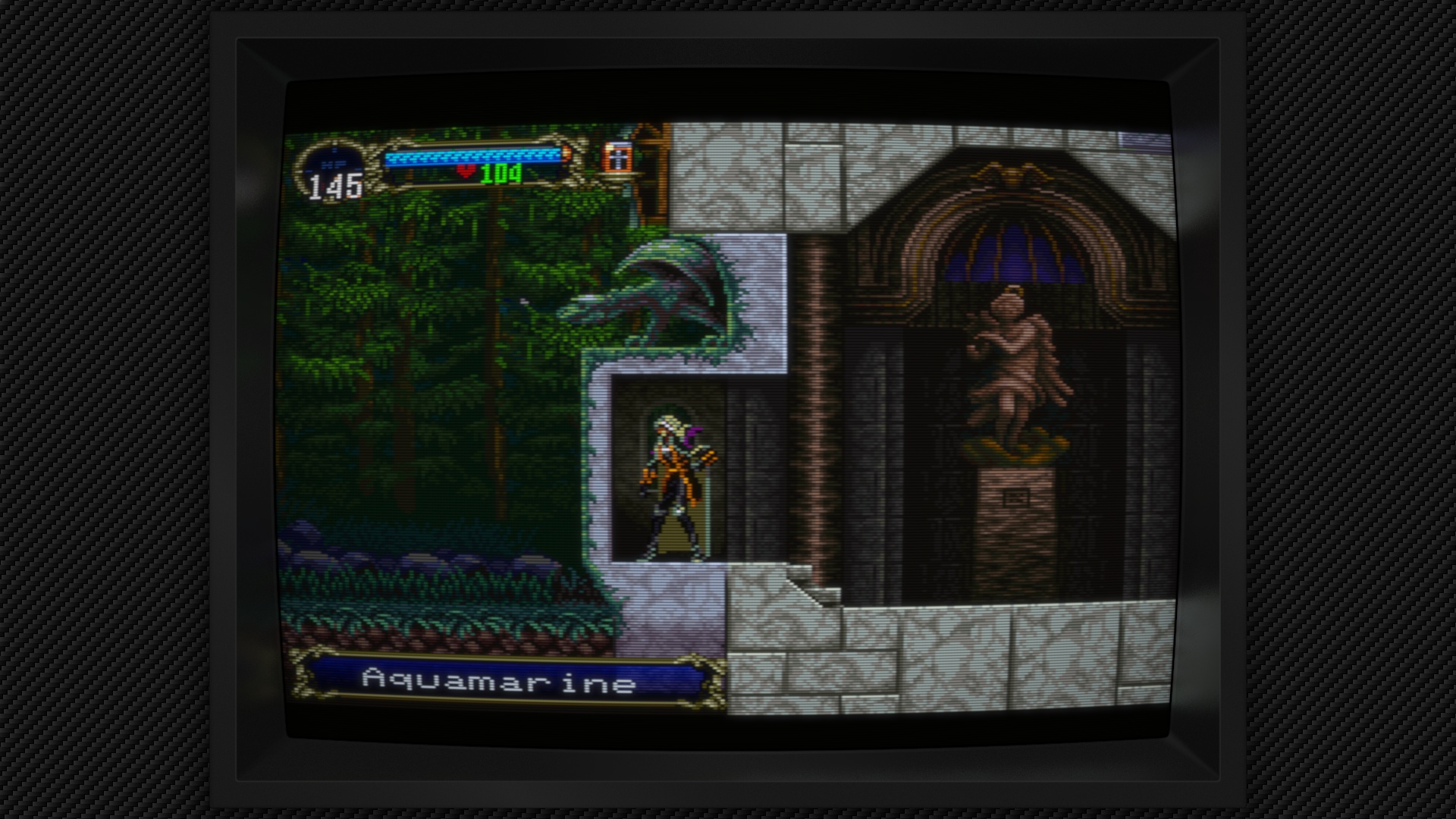
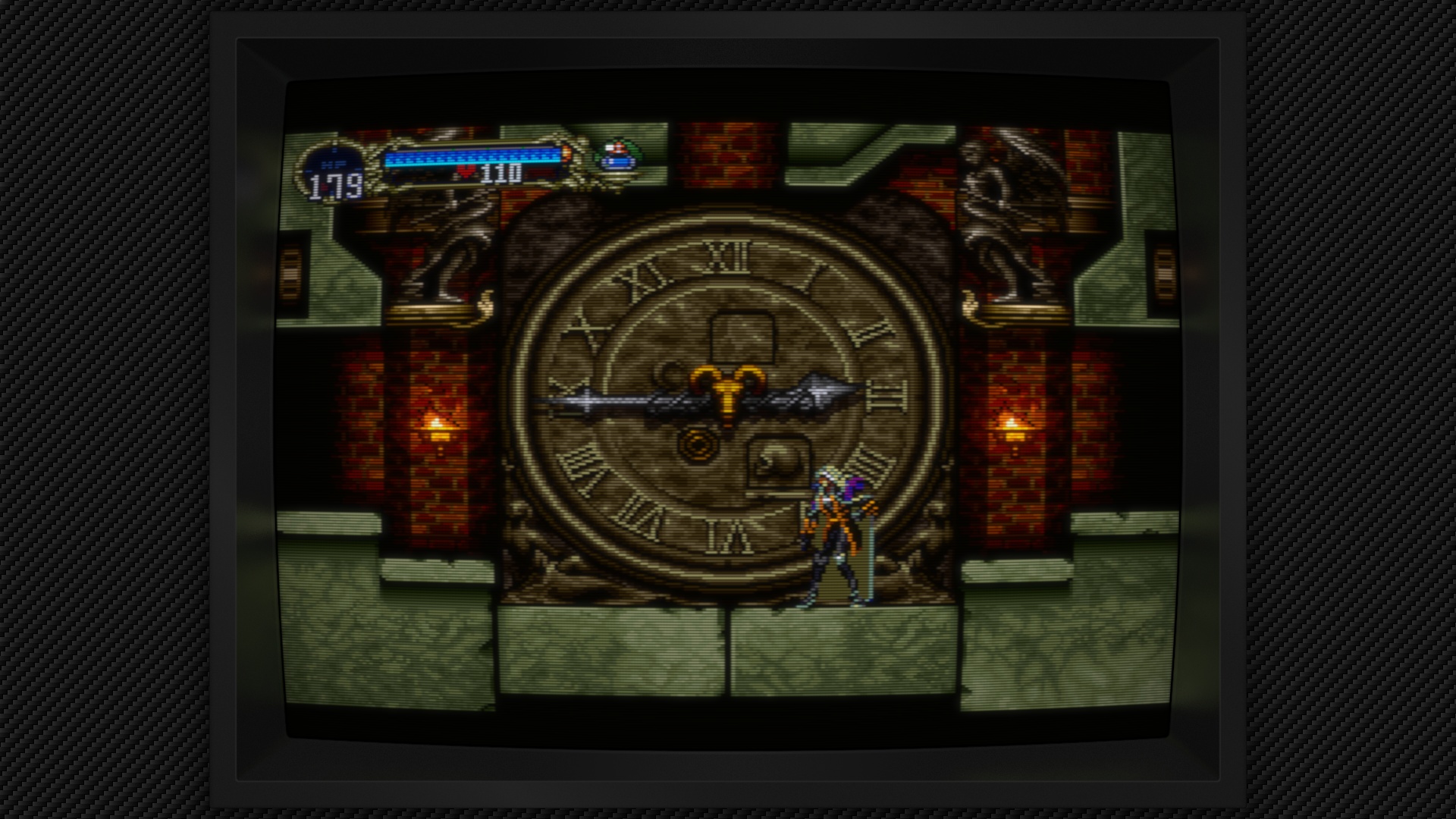
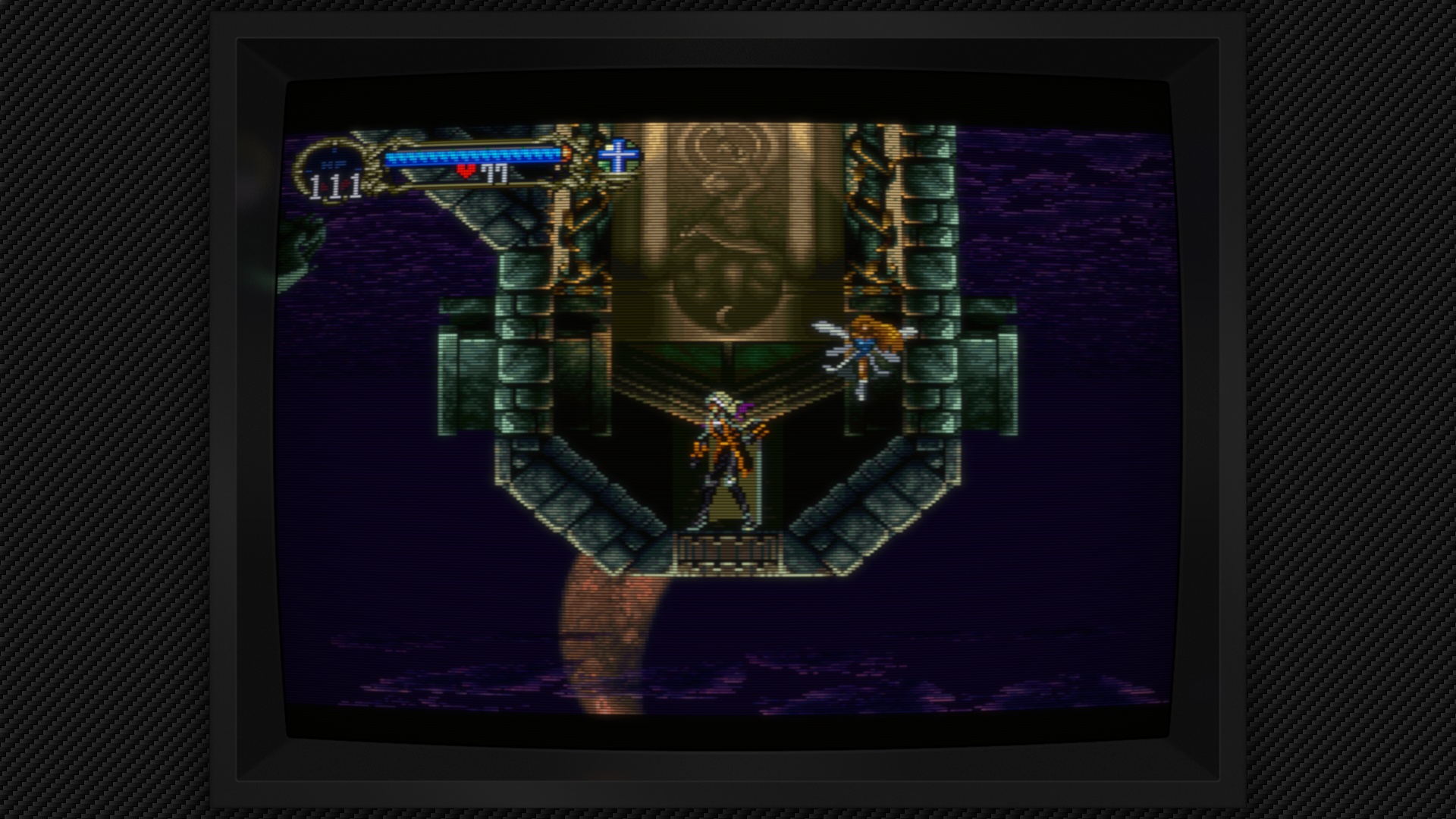
However, in the grand scheme of things, that is a minor issue, especially as you level up, find health upgrades, find better armour, magic spells and other items (like familiars) that help with damage and healing. Finding items is a large part of the game, and you have the entire castle to explore, split into differently themed areas and a ton of secrets to discover. One thing that’s surprising is how much of the castle you can explore to start with before you get your first major ability.
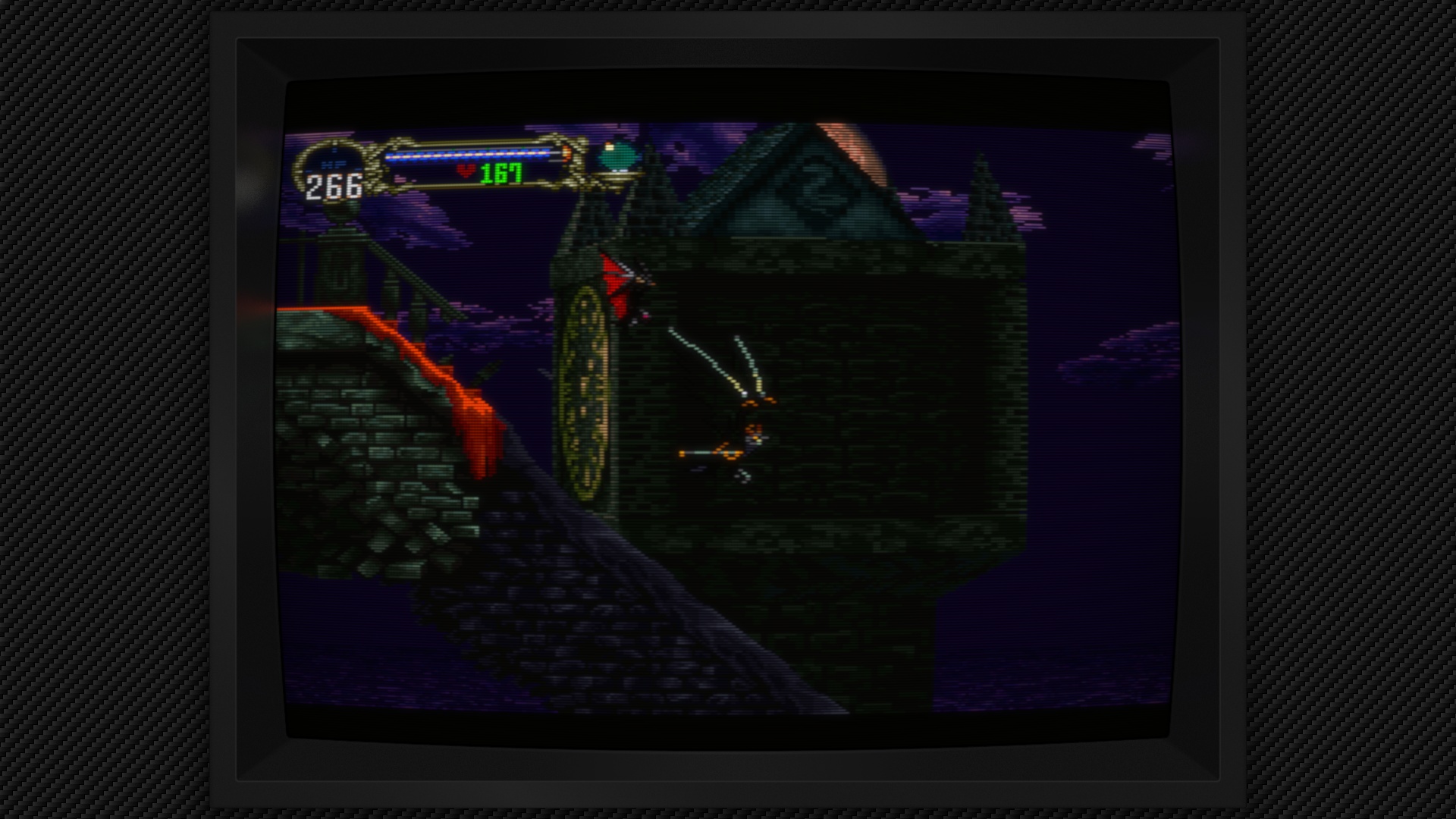
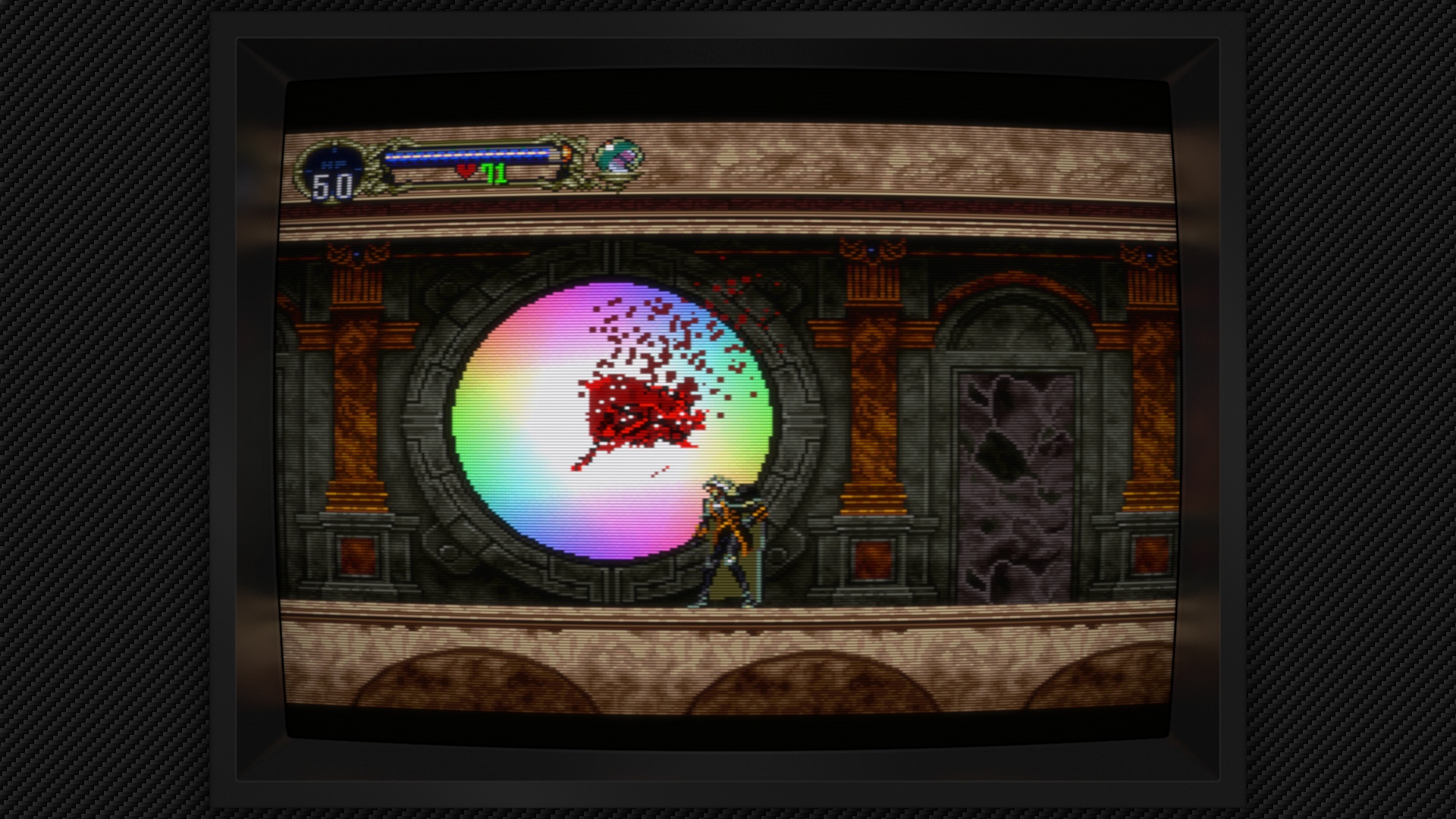
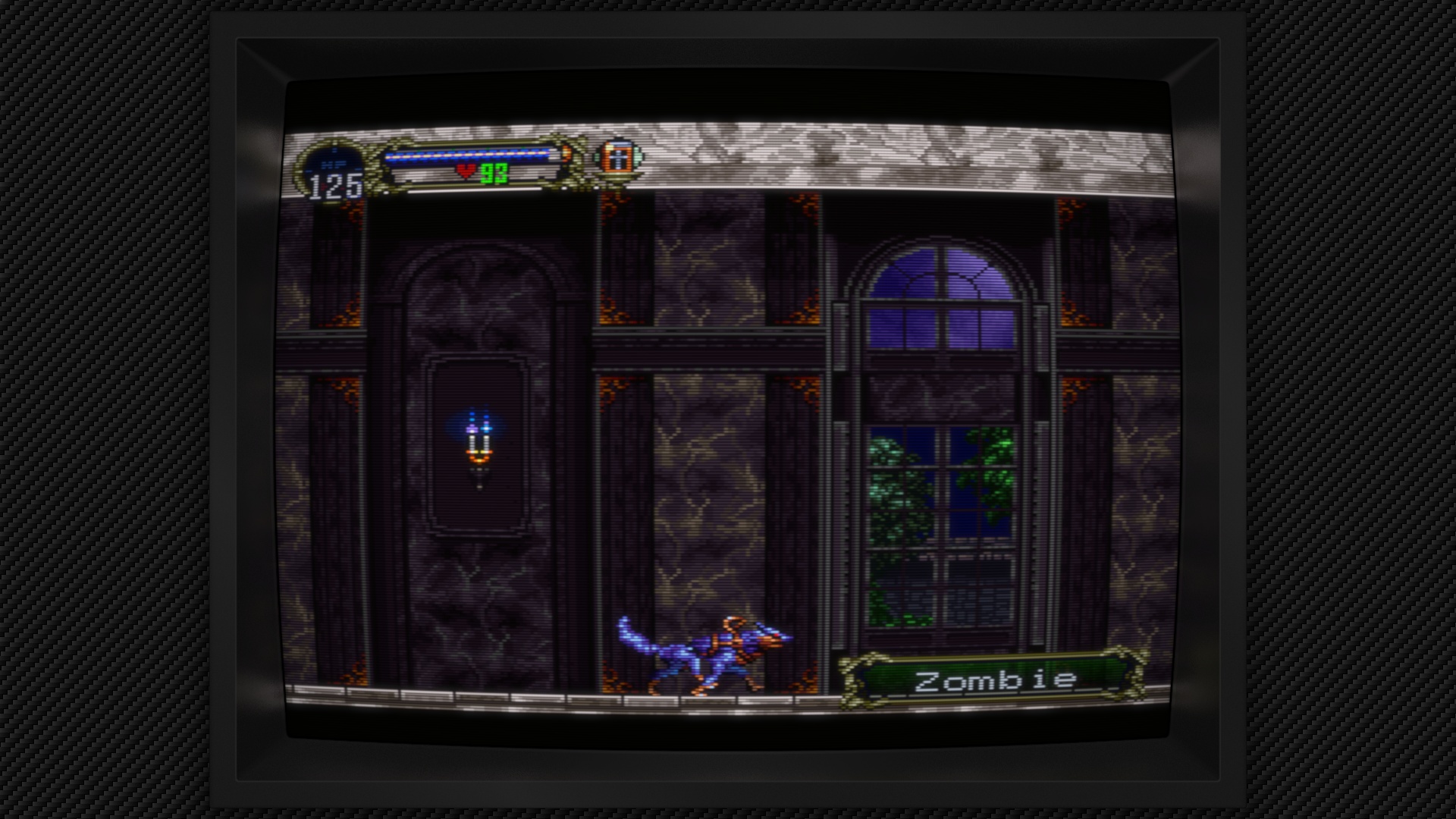
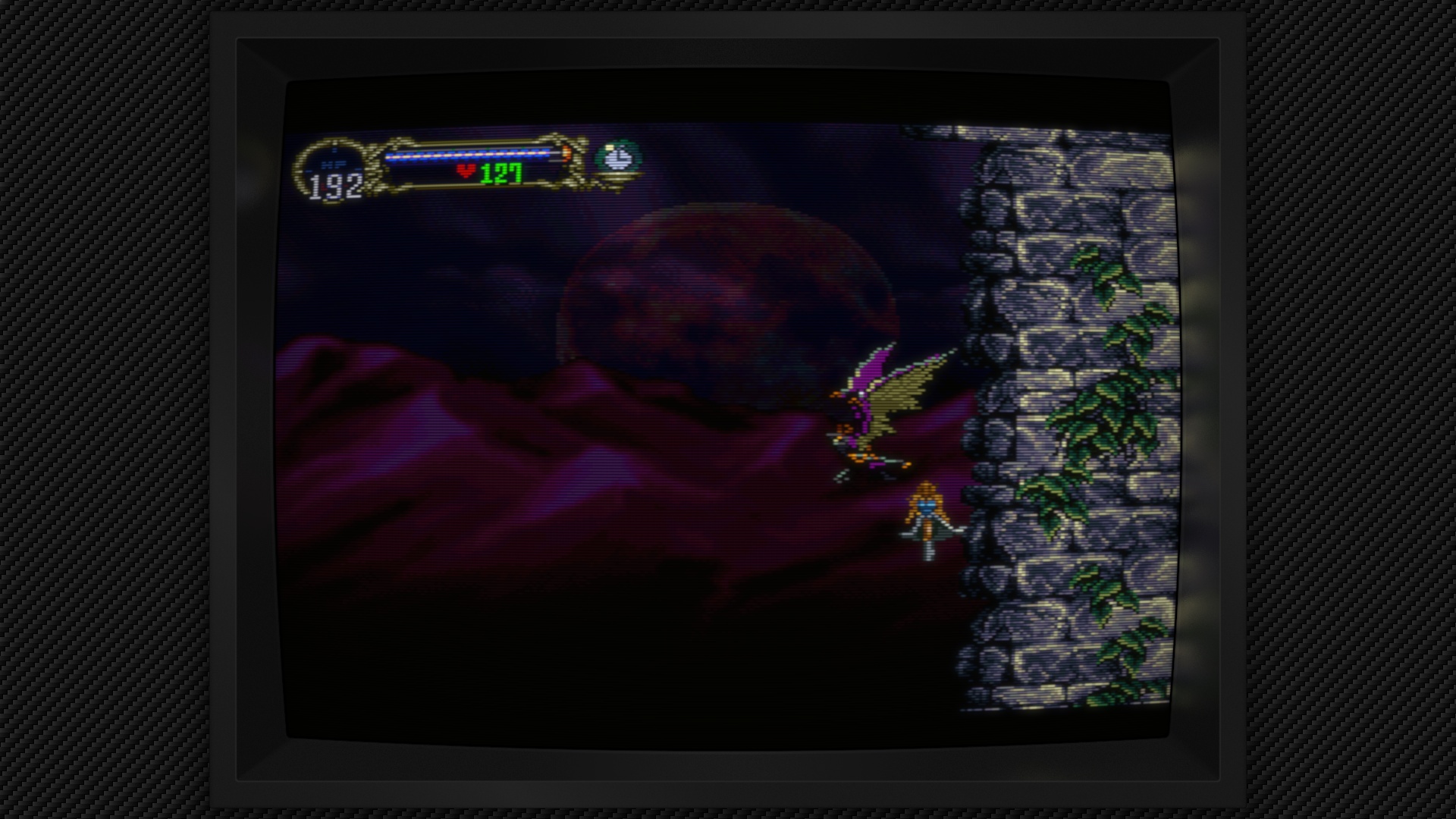
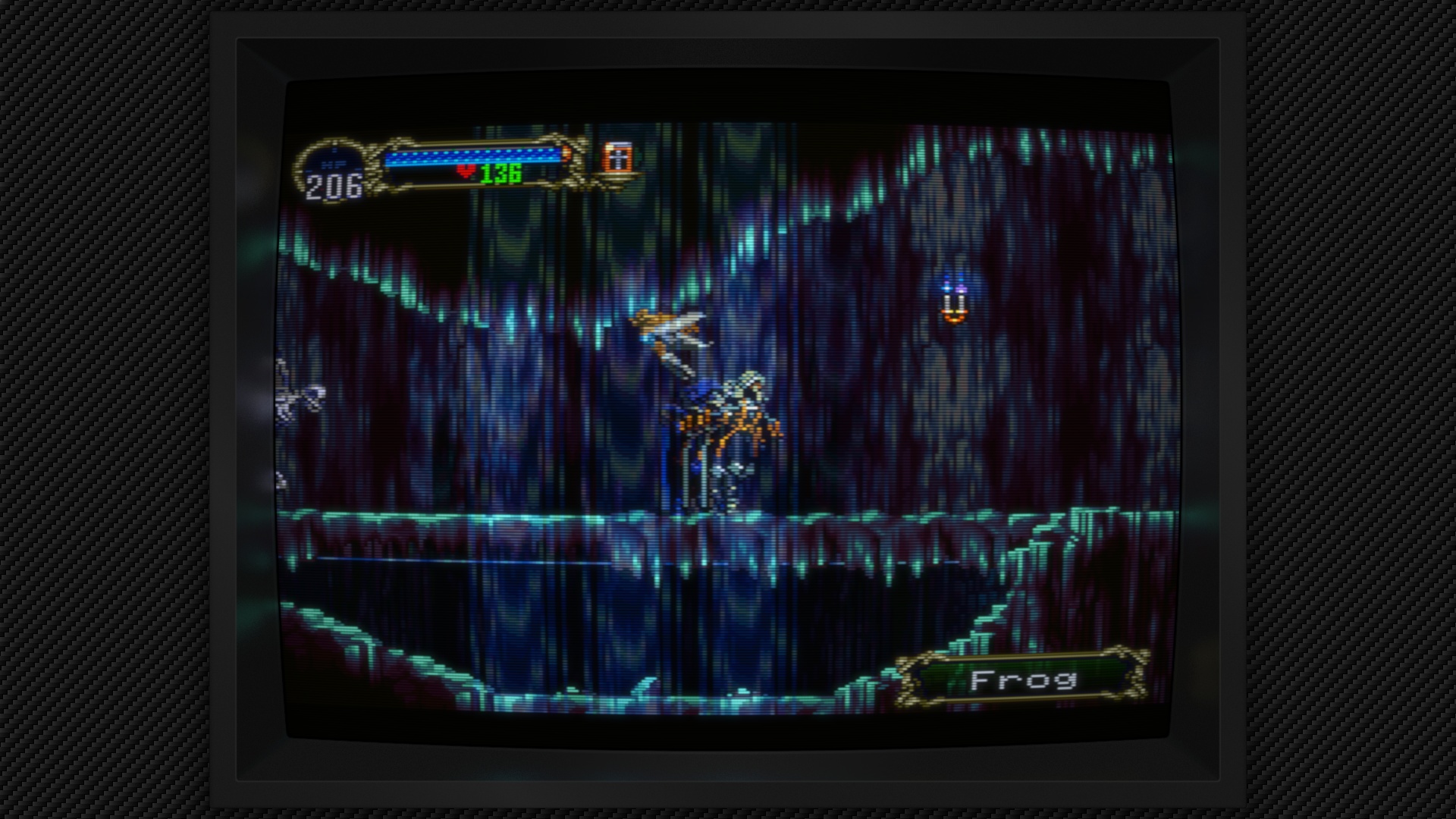
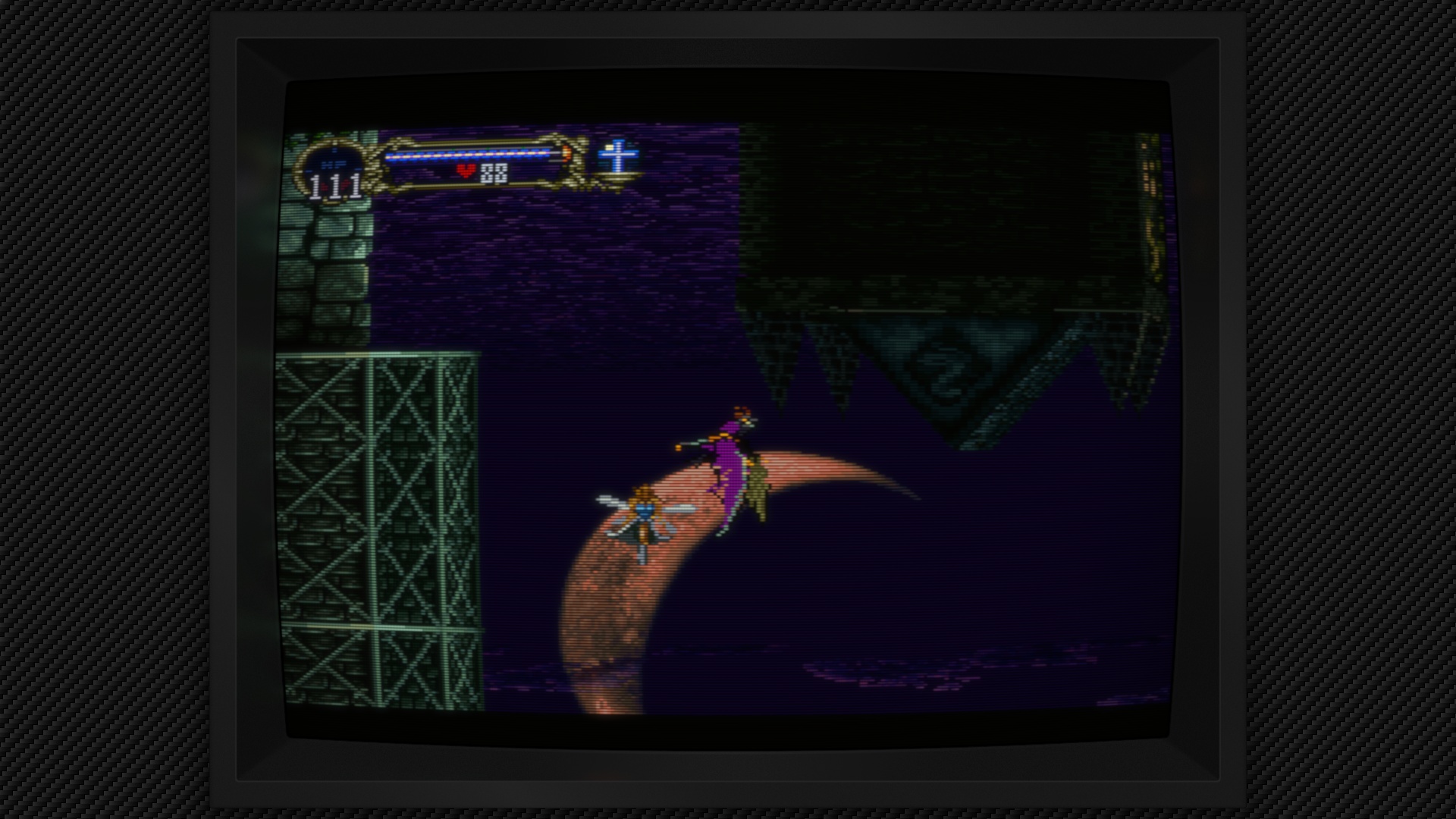
These come in the form of relics, some of which are optional extras. The most significant ones are three transformations. The wolf lets you move around quite quickly, the bat lets you fly around and the mist lets you move through grates. These can be improved with more abilities, one of which turns the mist from just a fancy key to an extremely powerful tool. You can transform at any time, they just use up magic power, although nice and slowly so you have a good amount of time with them. Other relics include jumping abilities, extra on-screen information and keys.
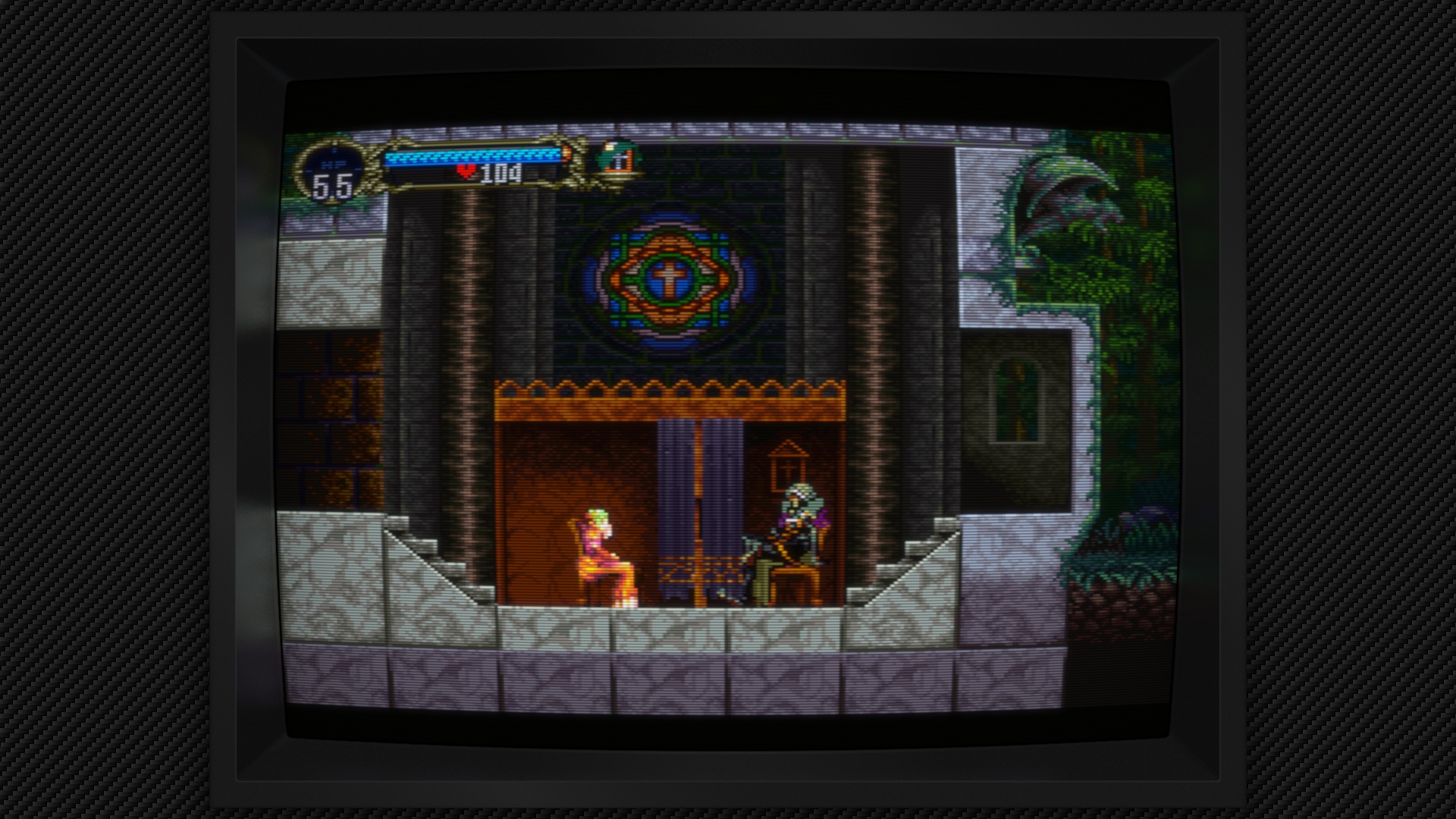
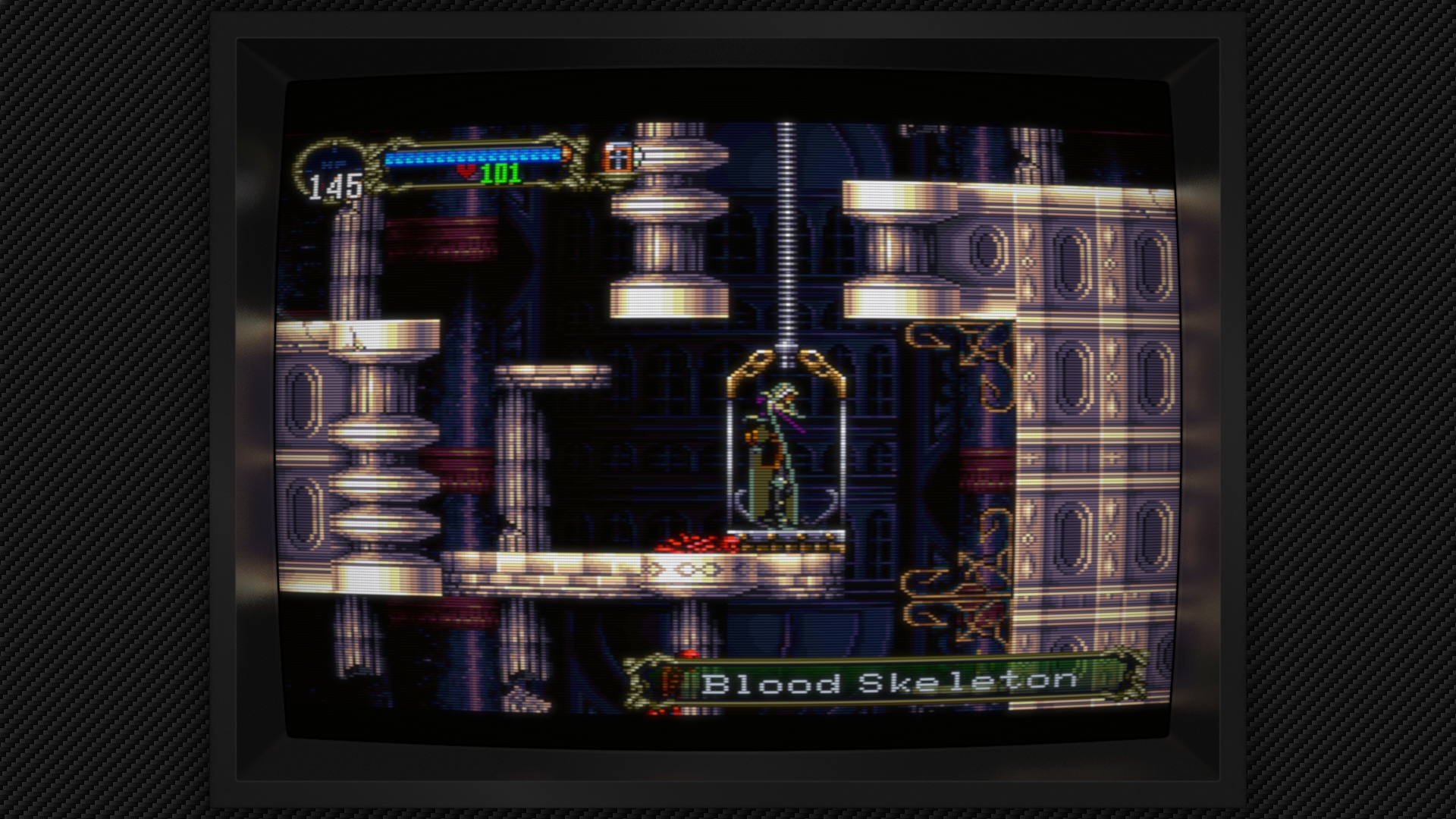
This, alongside great level design, makes exploration a ton of fun. The distinct looking areas make the map easy to remember, so you’ll be able to remember places you couldn’t progress once you gain a new ability. This makes it an absolute joy and there usually seems to be a few places for you to choose from once you have a new ability. It’s what makes games like this work really well and helps the sense of freedom.
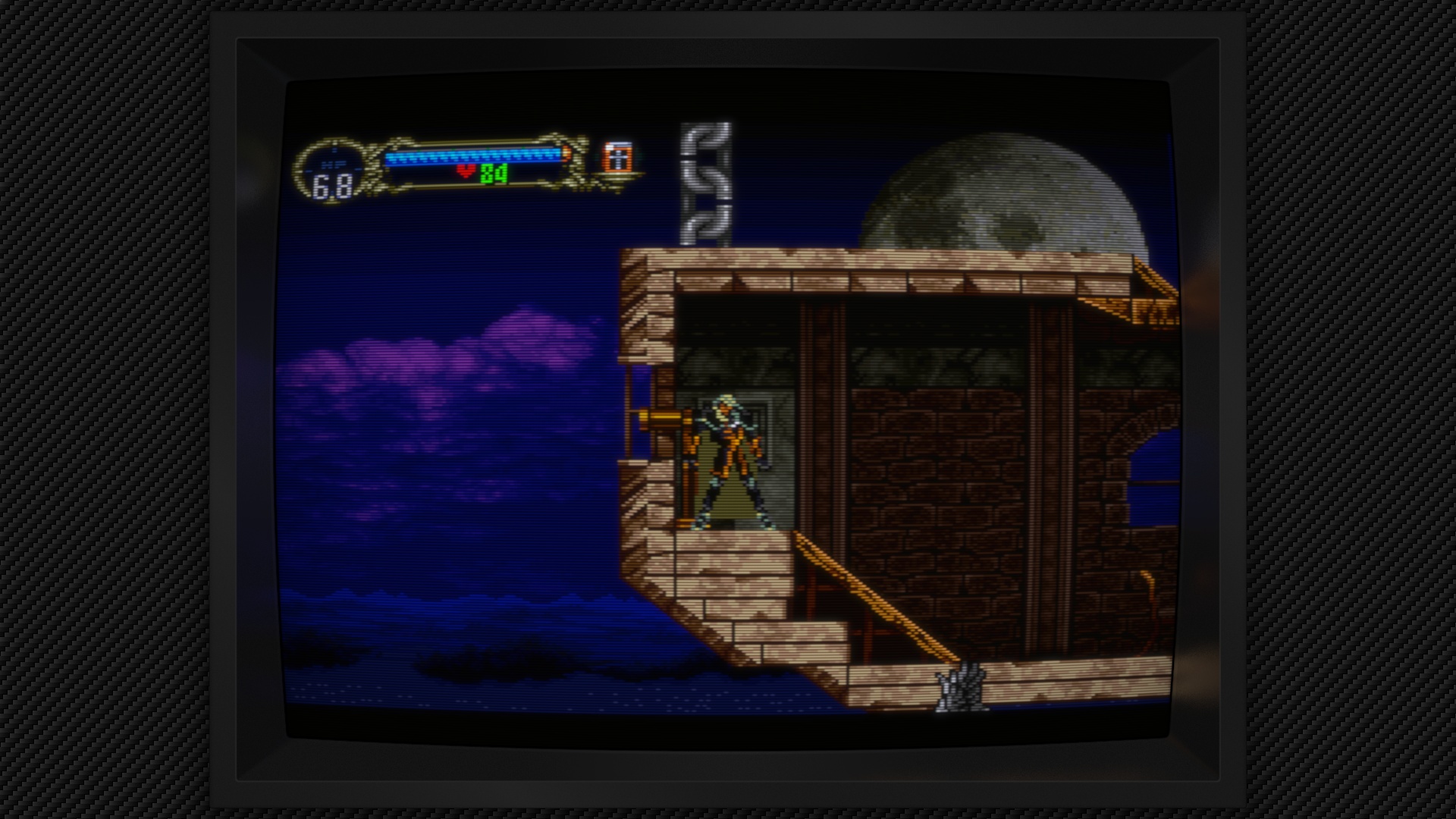
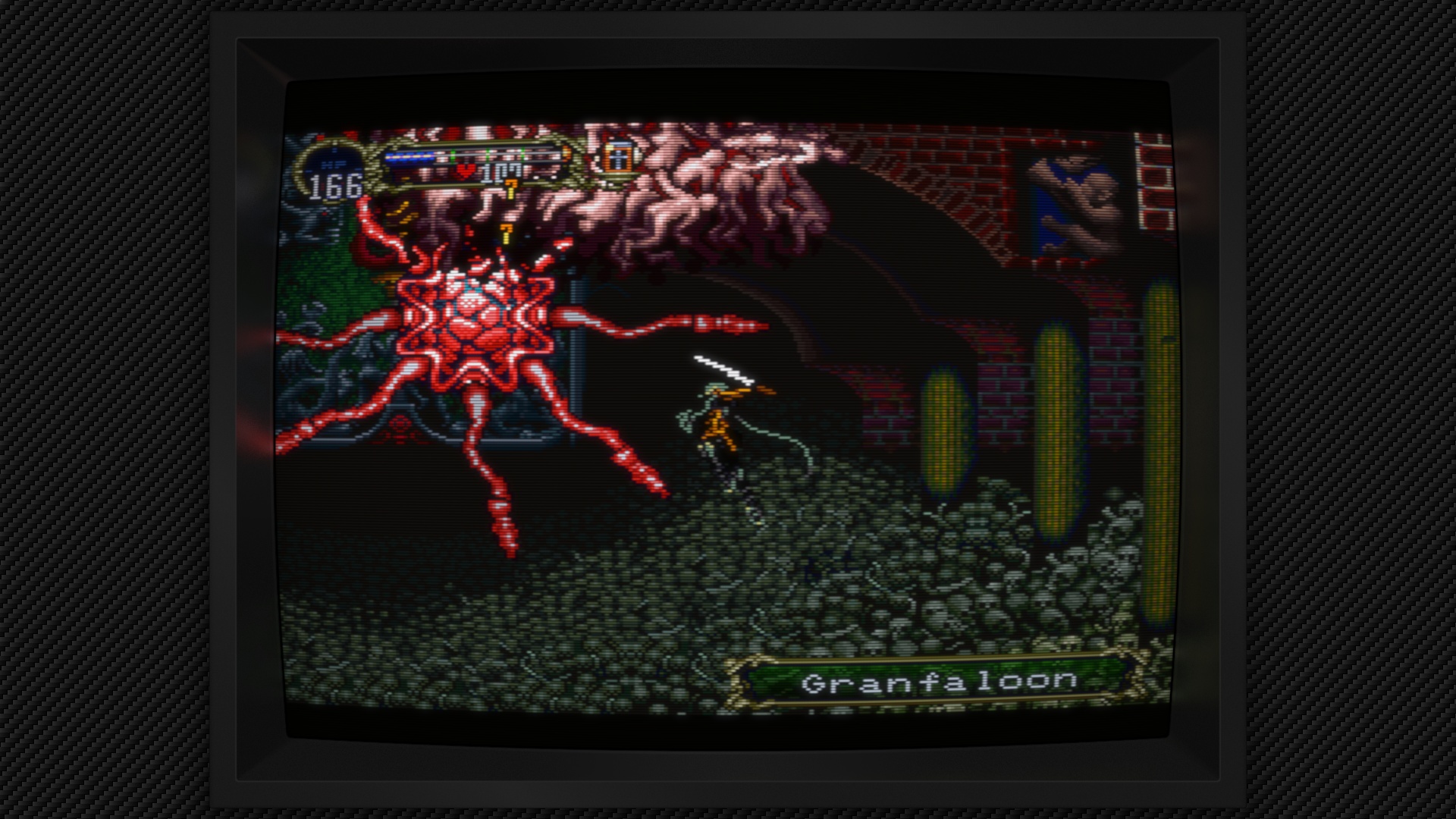
One interesting thing I found is how quite a few sections can be optional, but yield interesting weapons, armour and so on. Some of these sections even have optional bosses (I got an invisibility cloak from one optional boss, although it just looks cool and has good stats rather than impacting gameplay), including the toughest boss in the game, Galamoth from Kid Dracula, although the reward is certainly worth it. The bosses aren’t as tough, and some can be quite easy, but there are some really great ones to encounter.
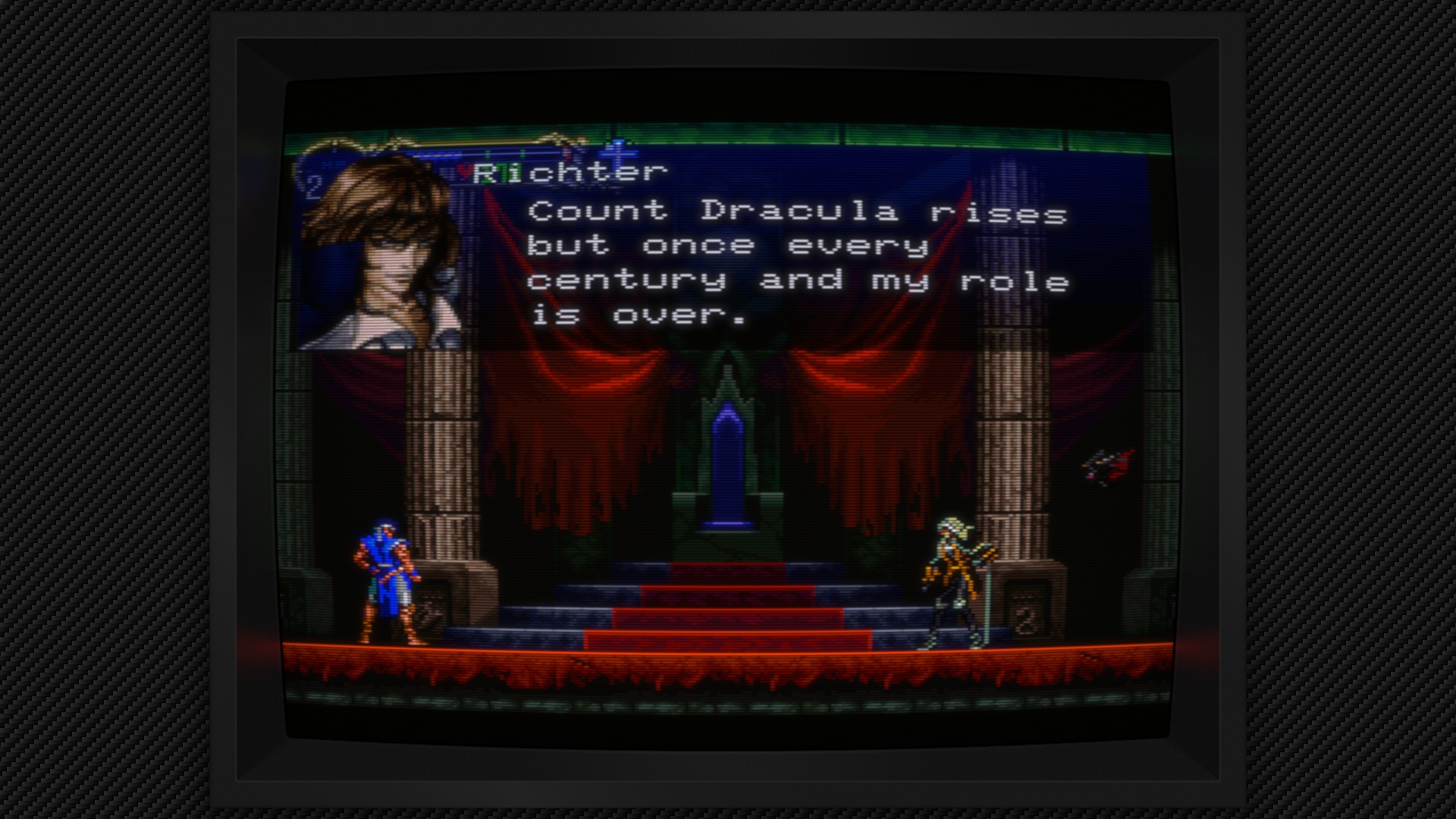
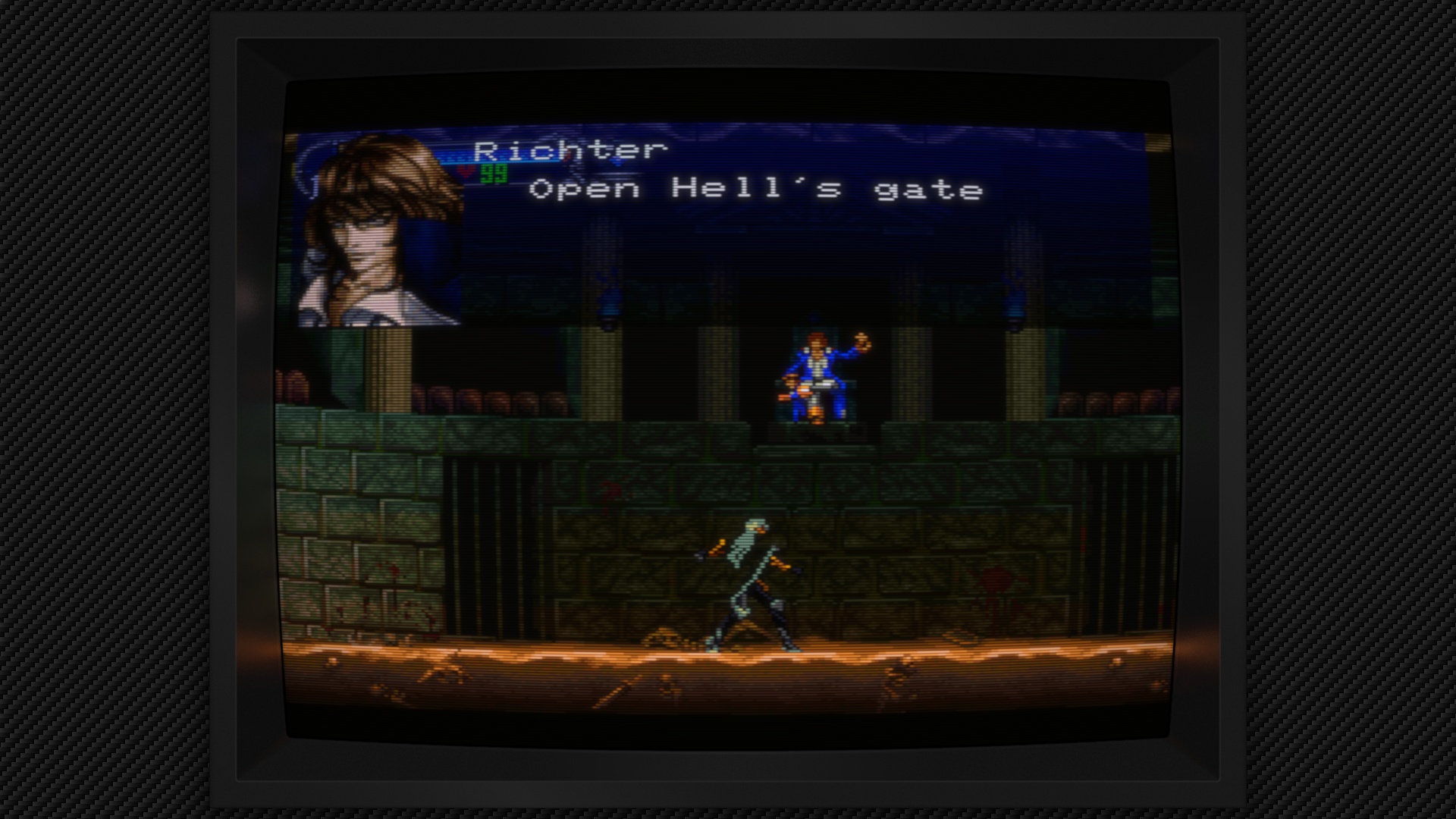
In a way, there’s an immense amount of optional stuff. Once you get the bat transformation, you can head to Dracula’s throne room and encounter Richter, who appears to be behind everything, and defeat him, resulting in a very unsatisfying ending. I reckon that there are people that actually did this and presumed that was the end of the game, especially as you get the end credits and everything. But that’s not really what you’re supposed to do.
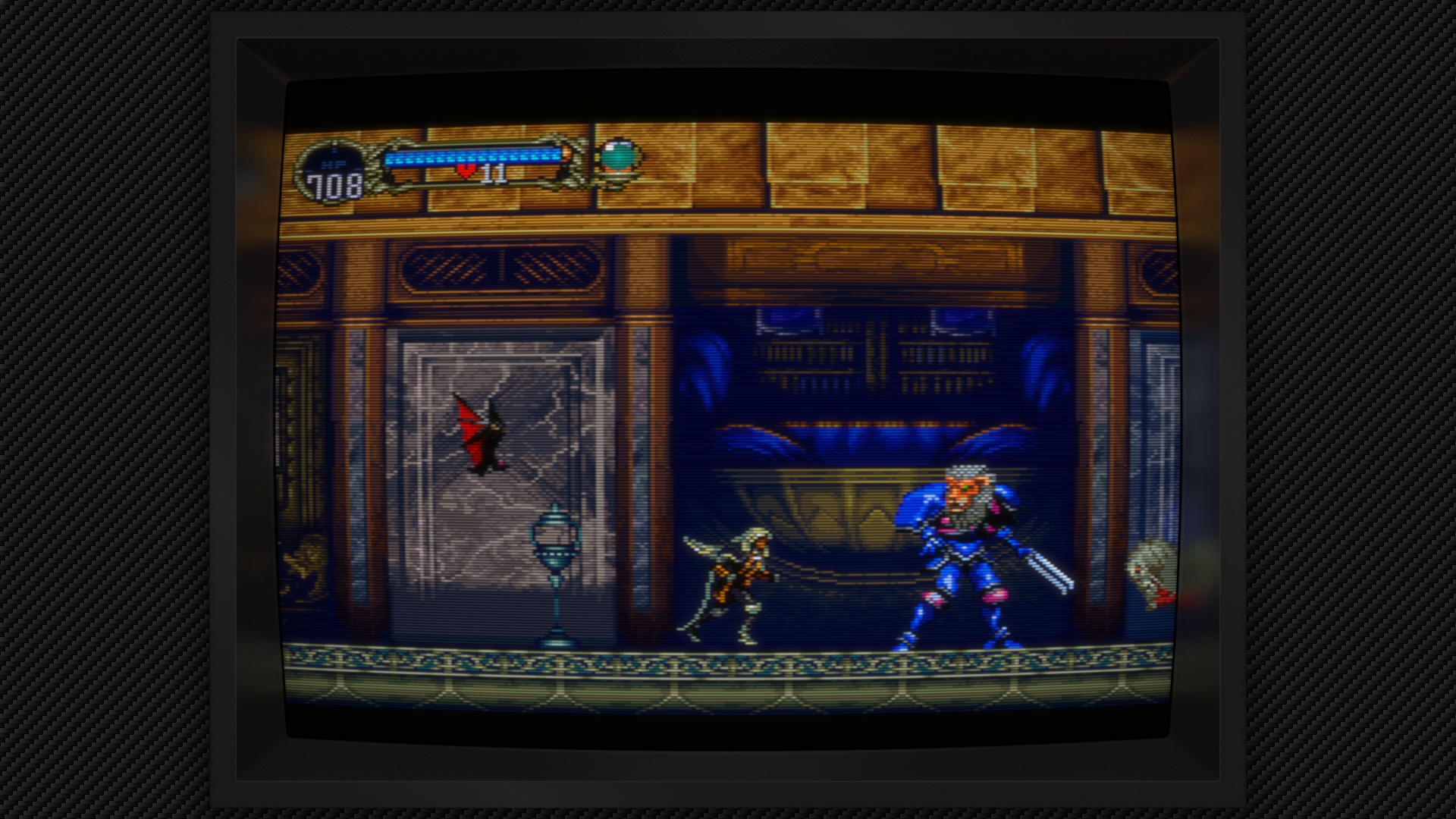
Hidden in the castle are some special glasses. Interestingly, this is something where the game actually gives you hints (sometimes the game is a bit bad at telling you things, like you get gravity boots but aren’t told the button combination to use them), and the map has a very suspicious large gap to make you curious. This gives you another option during the Richter fight and results in a copy of the castle coming down from the sky, but upside down.
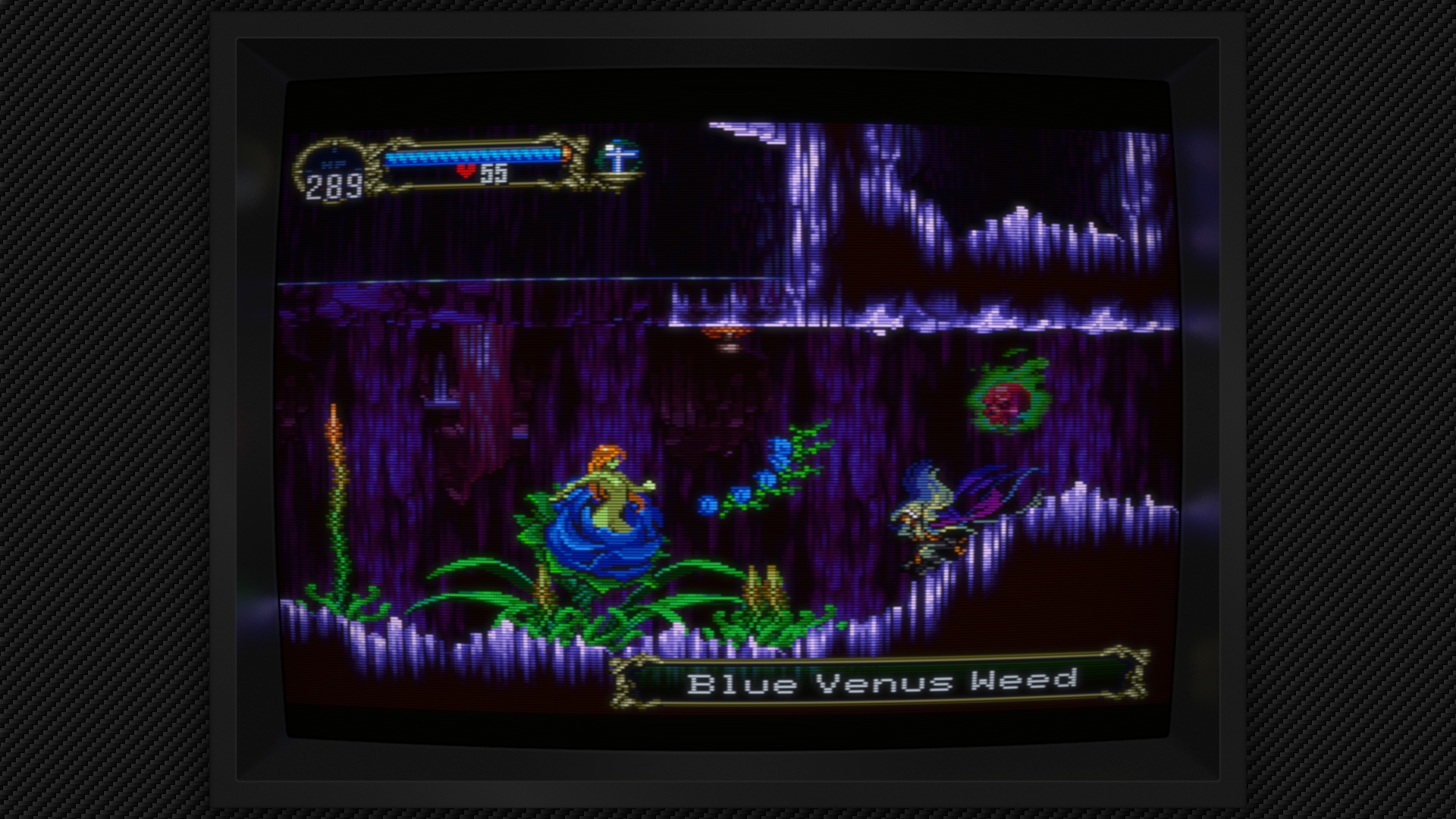
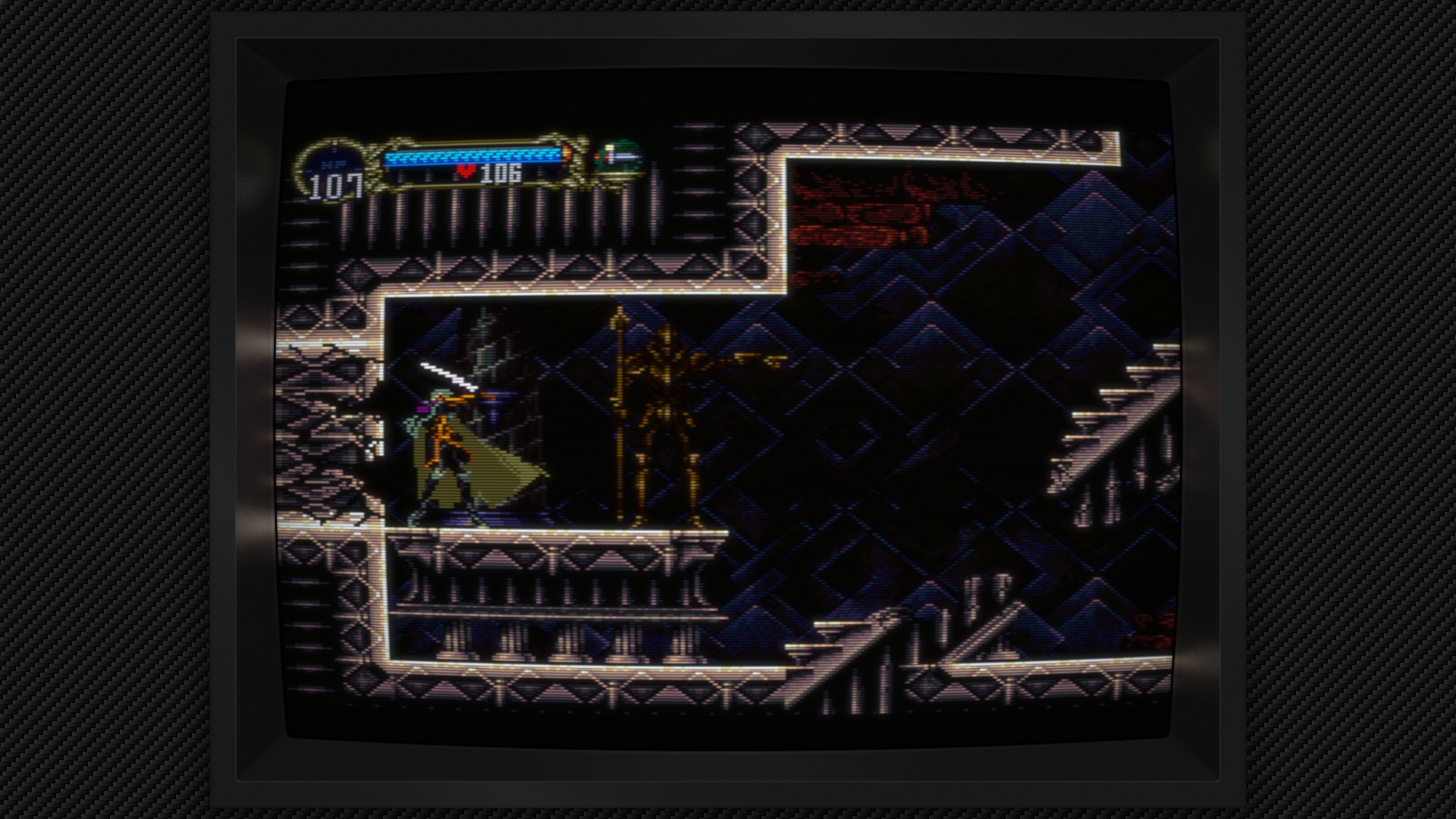
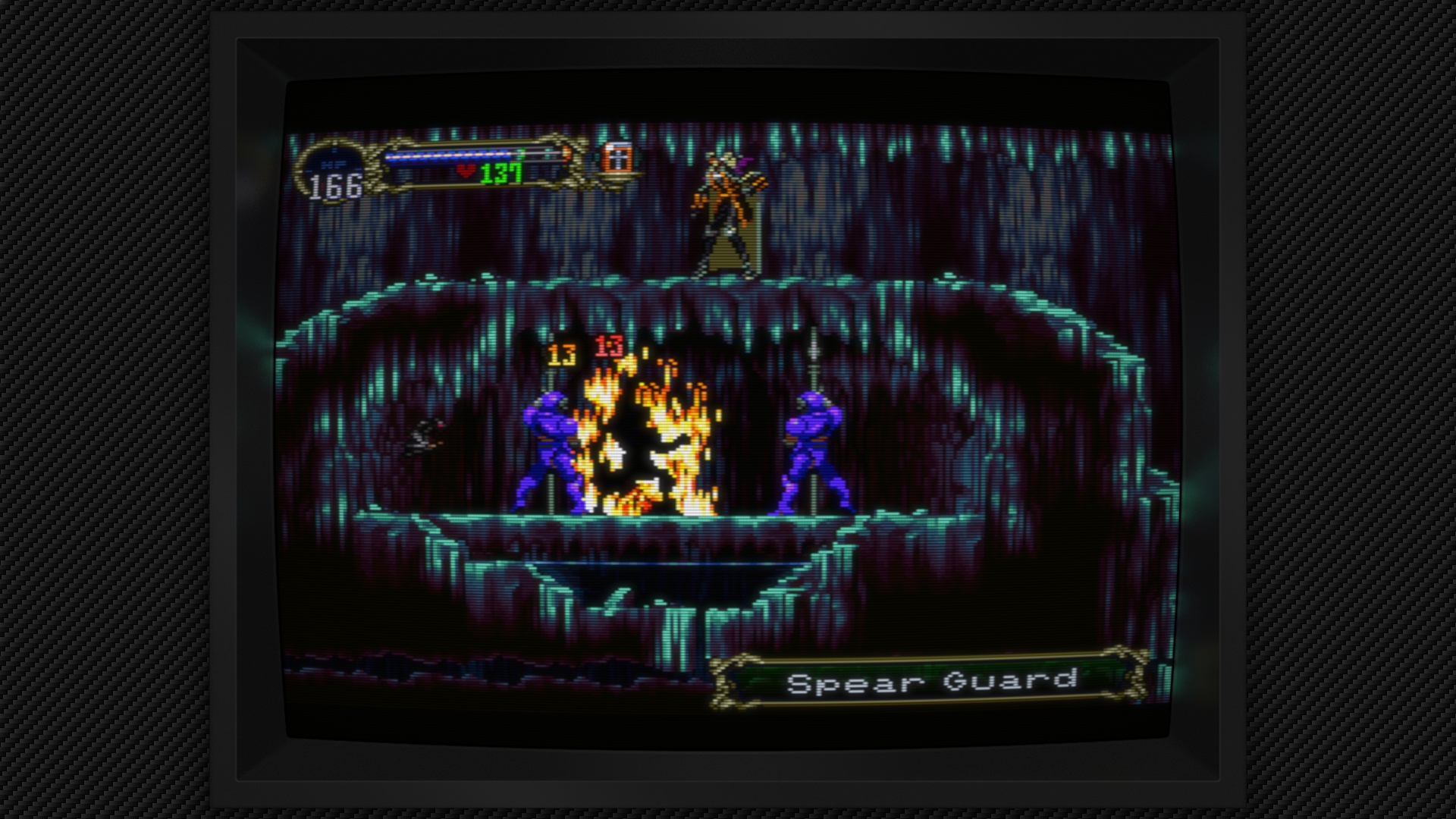
The inverted castle is the entire map, just flipped over. Having so much of the game hidden behind a secret like this, especially with a “bad ending” available is pretty phenomenal. At first I was really impressed with how the castle was designed to work both ways, but this version requires heavy use of the gravity boots and bat form. Some rooms work great, while others just seem odd.
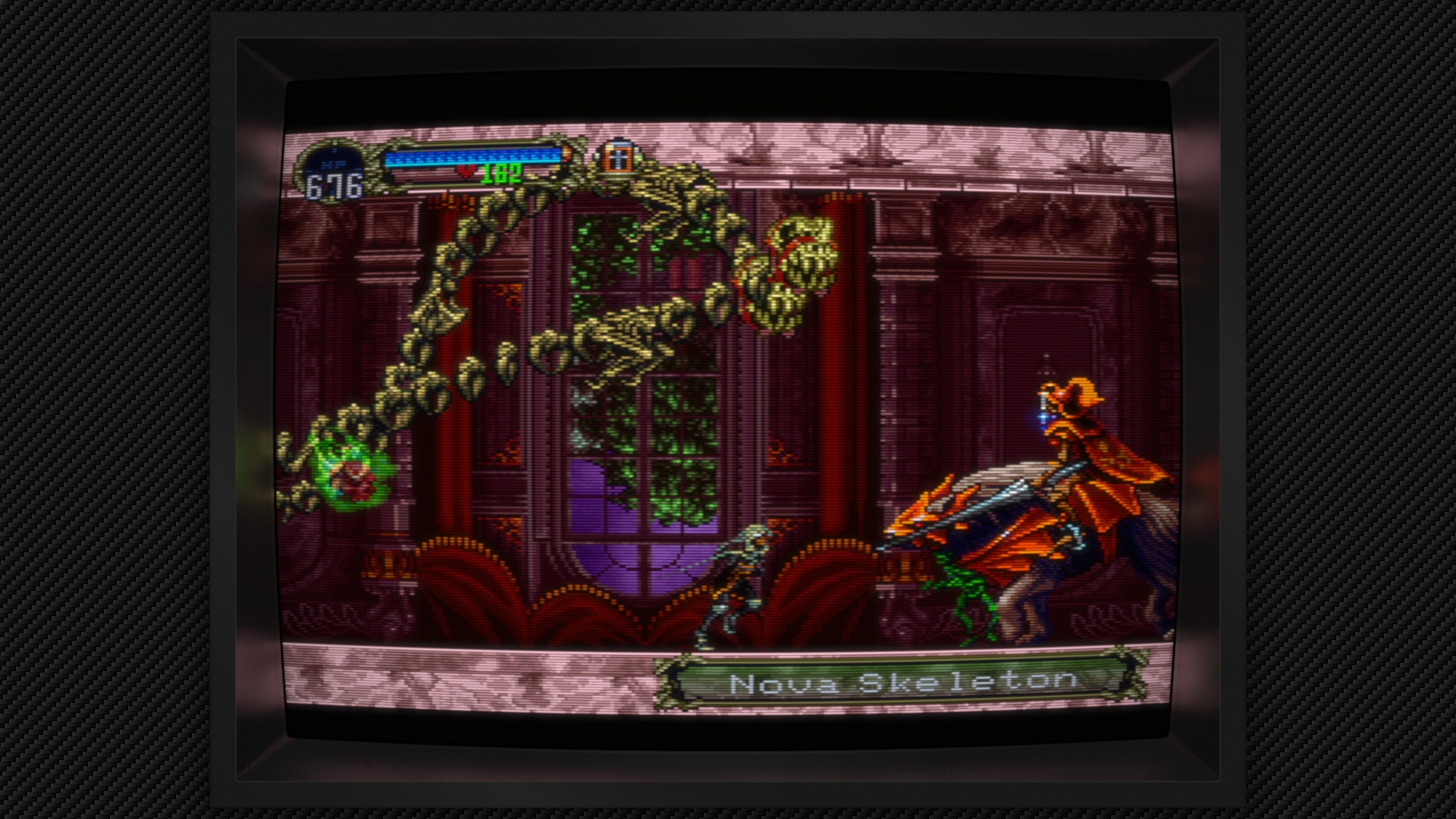
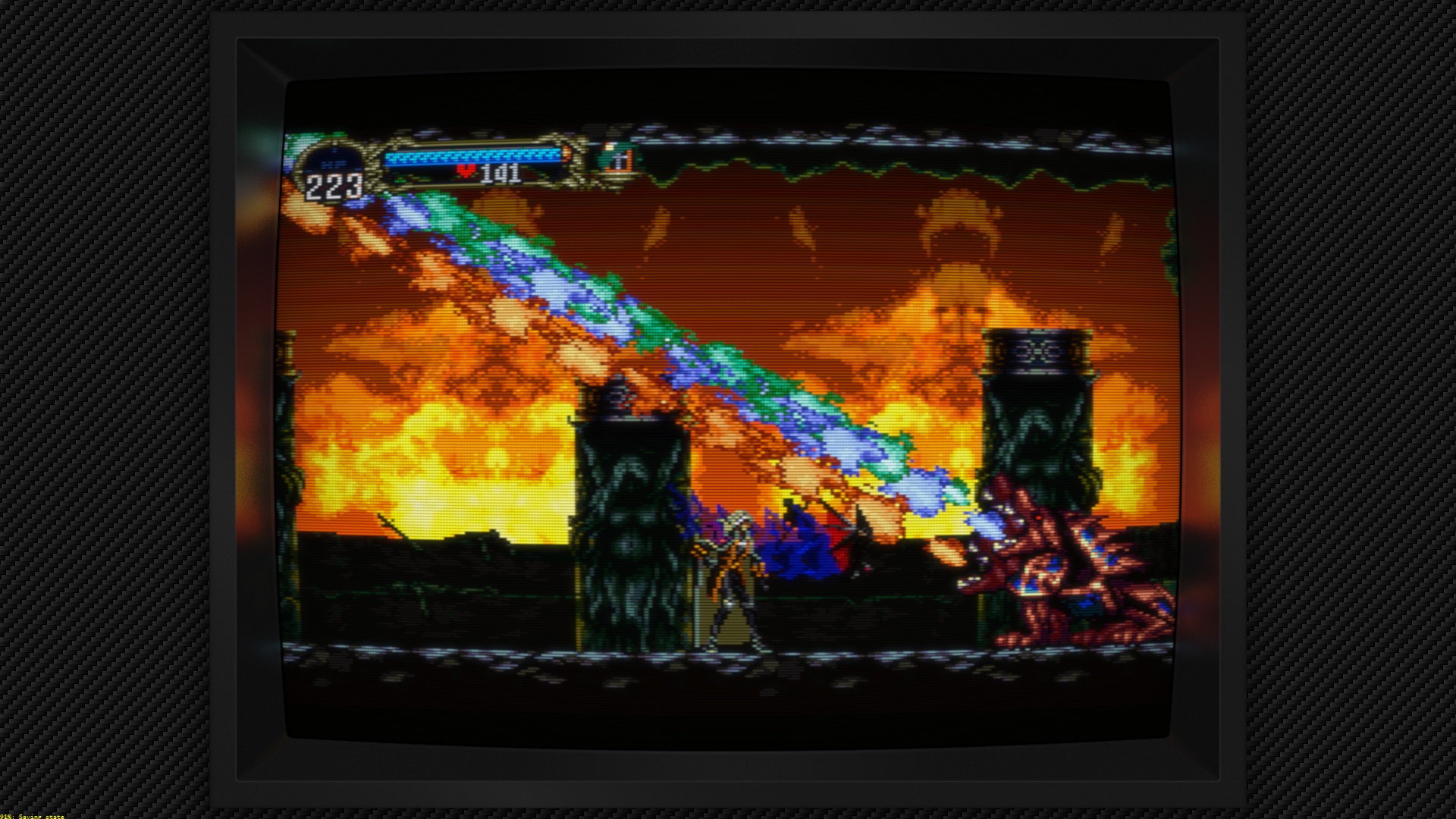
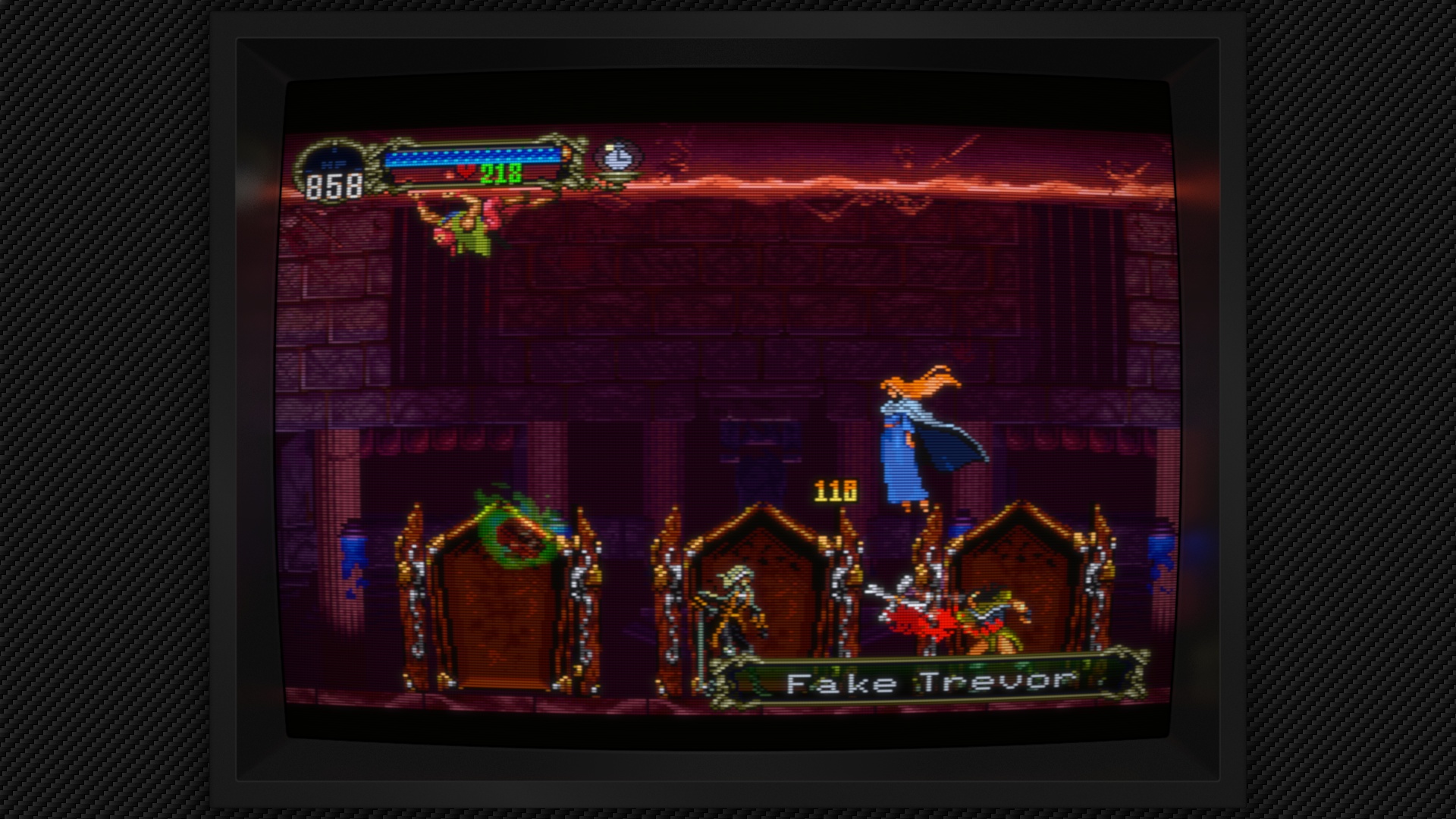
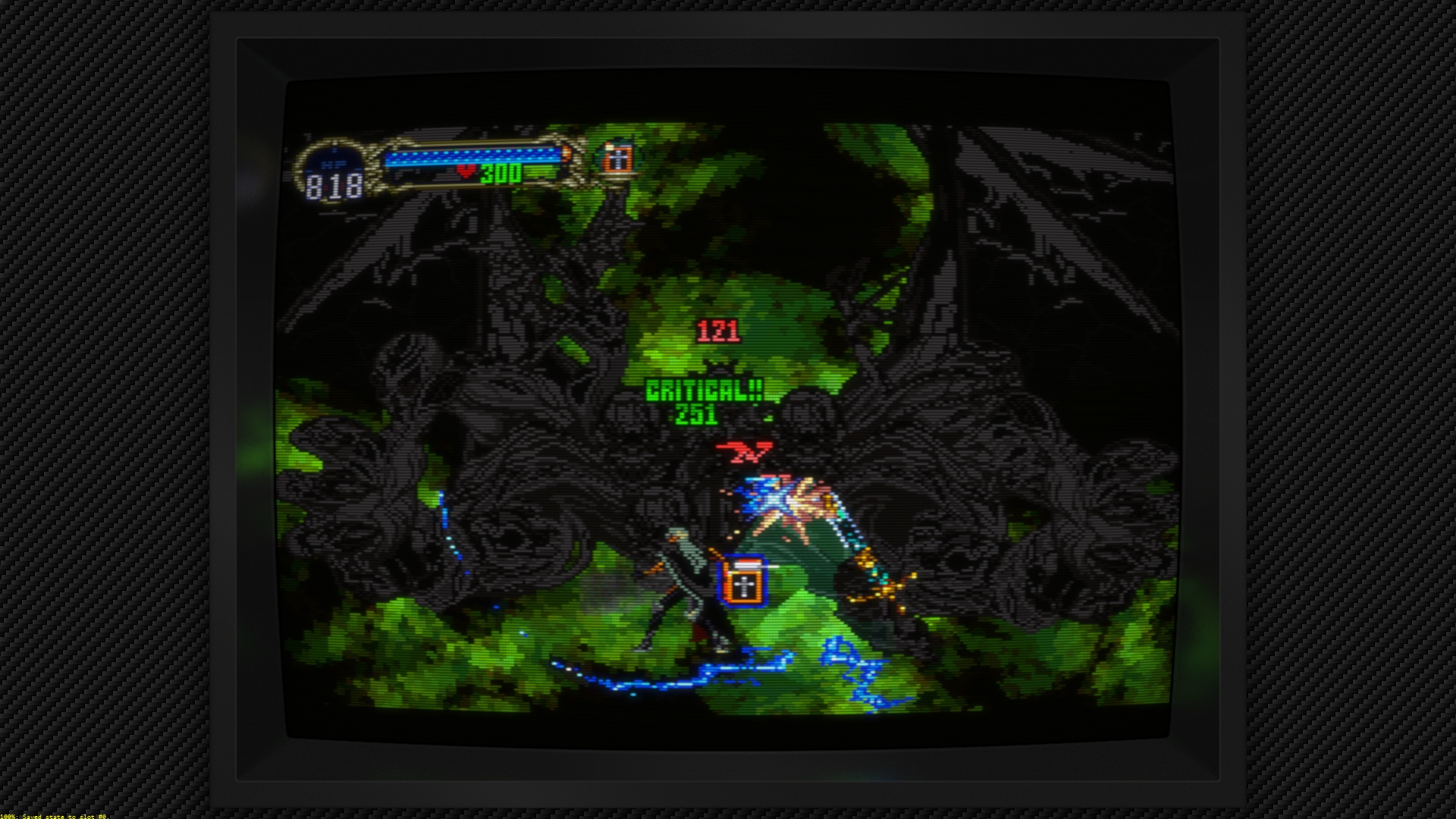
There are new enemies in these sections, which can surprisingly change the feel of some areas really well. This includes new bosses, five are required and hold the keys to the final boss (they’re big stat boosts as well), while others are optional, including a really fun fight that’s heavily linked to a previous Castlevania. There’s a lot to like about this section, although it can drag on a bit as you’ve seen all the areas before.
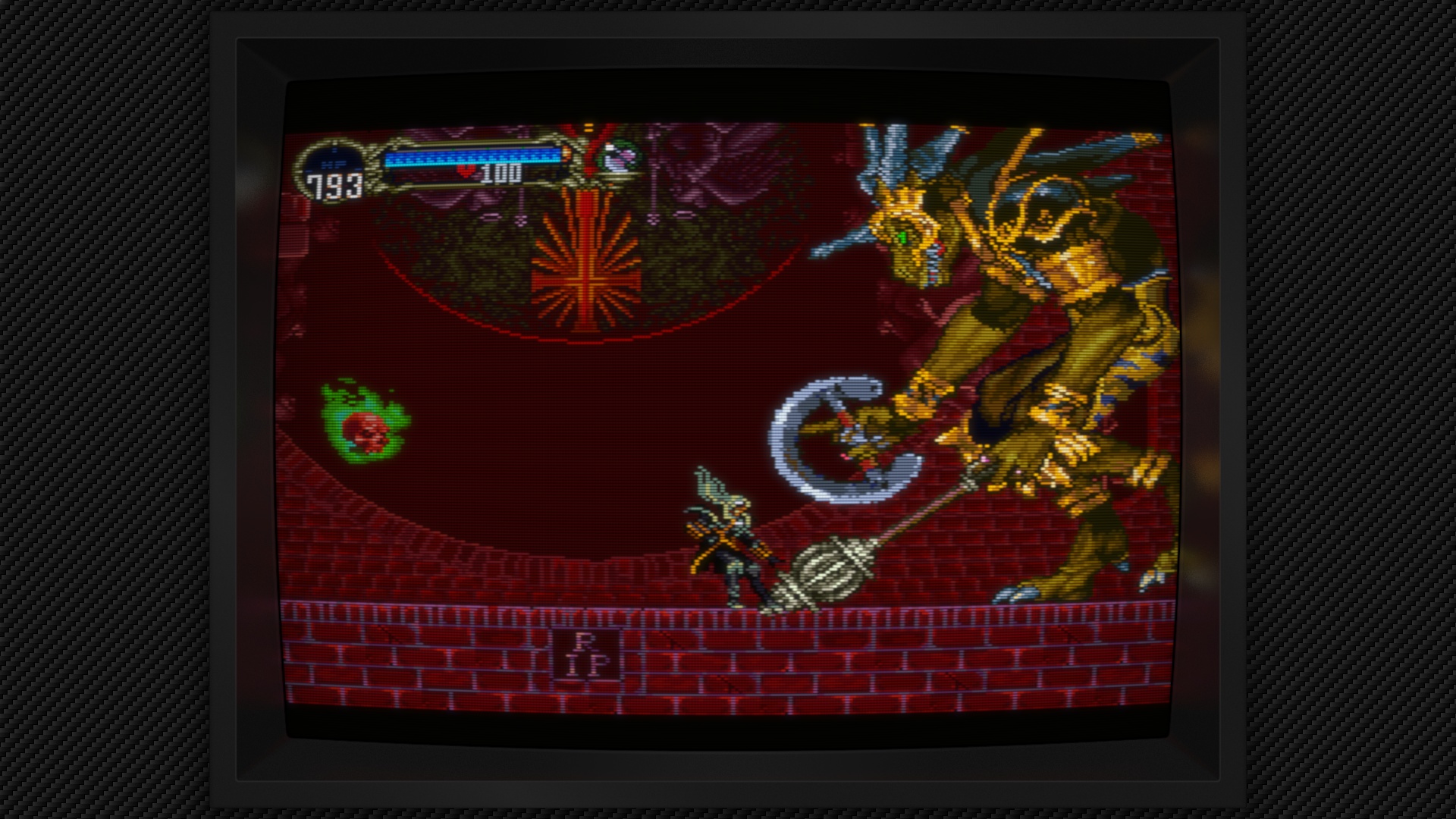
One thing I did that I really don’t recommend is trying to get the best ending. For this, you need to visit 196% of the rooms in the castles (a full map of one castle is 100%). Doing this for the main castle is great, while the second just ends up feeling like a chore and really makes the inverted castle last far longer than it should. I think the ending for achieving this is actually worse than the good ending, with a random romance element cropping up from nothing.
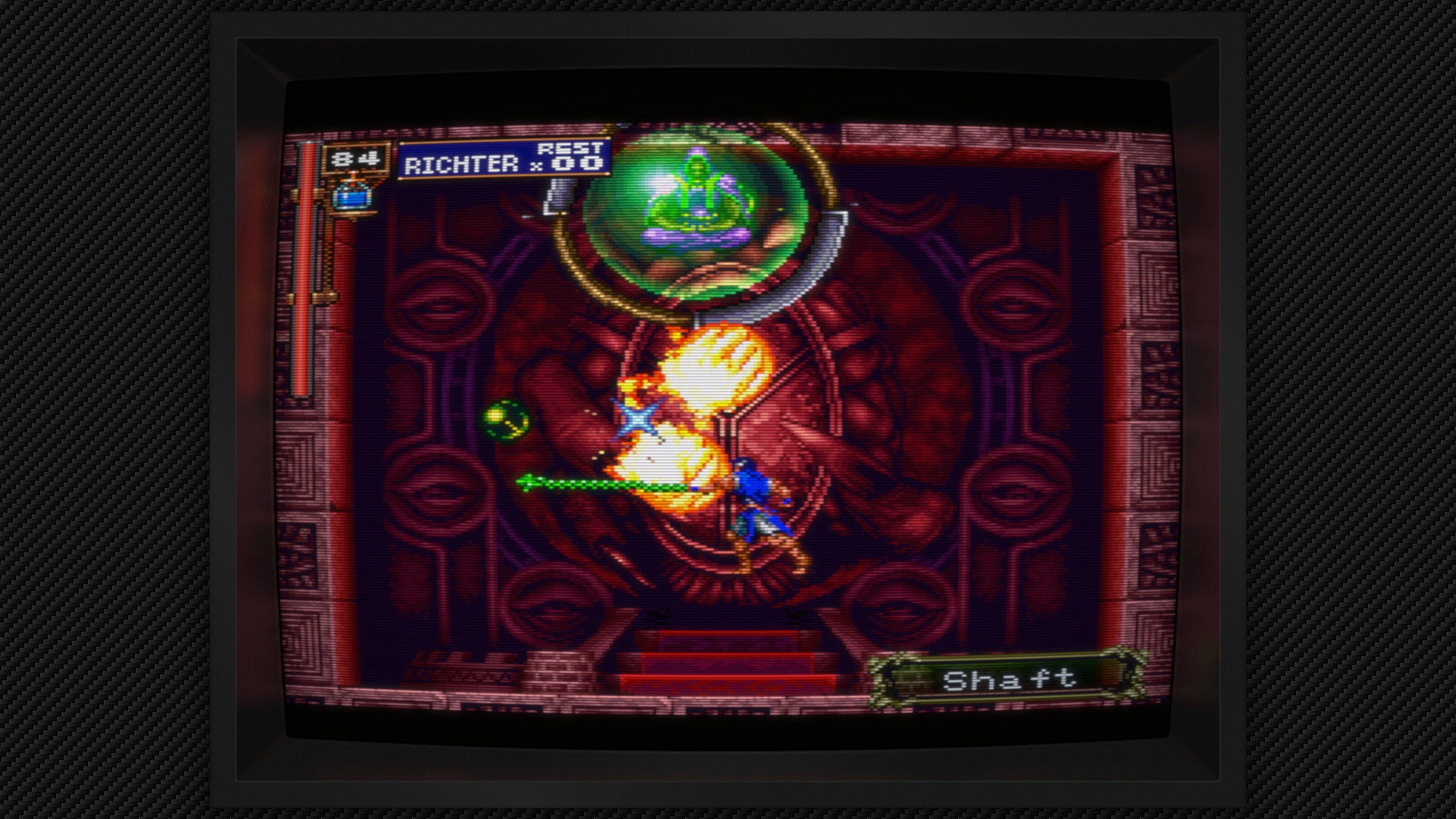
Once you complete the proper ending, you can input your name as Richter and play the game as Richer Belmont, using the Vampire Killer whip. You can travel across both castles and he has a few abilities at his disposal to help with navigation (including a magic jump). You’re fully powered up and there’s no inventory for him. There’s also no story at all, just access to most of the map (some places require abilities he doesn’t have) and heading over to fight the penultimate boss, where the game ends. It’s a neat extra, but also feels lacking.
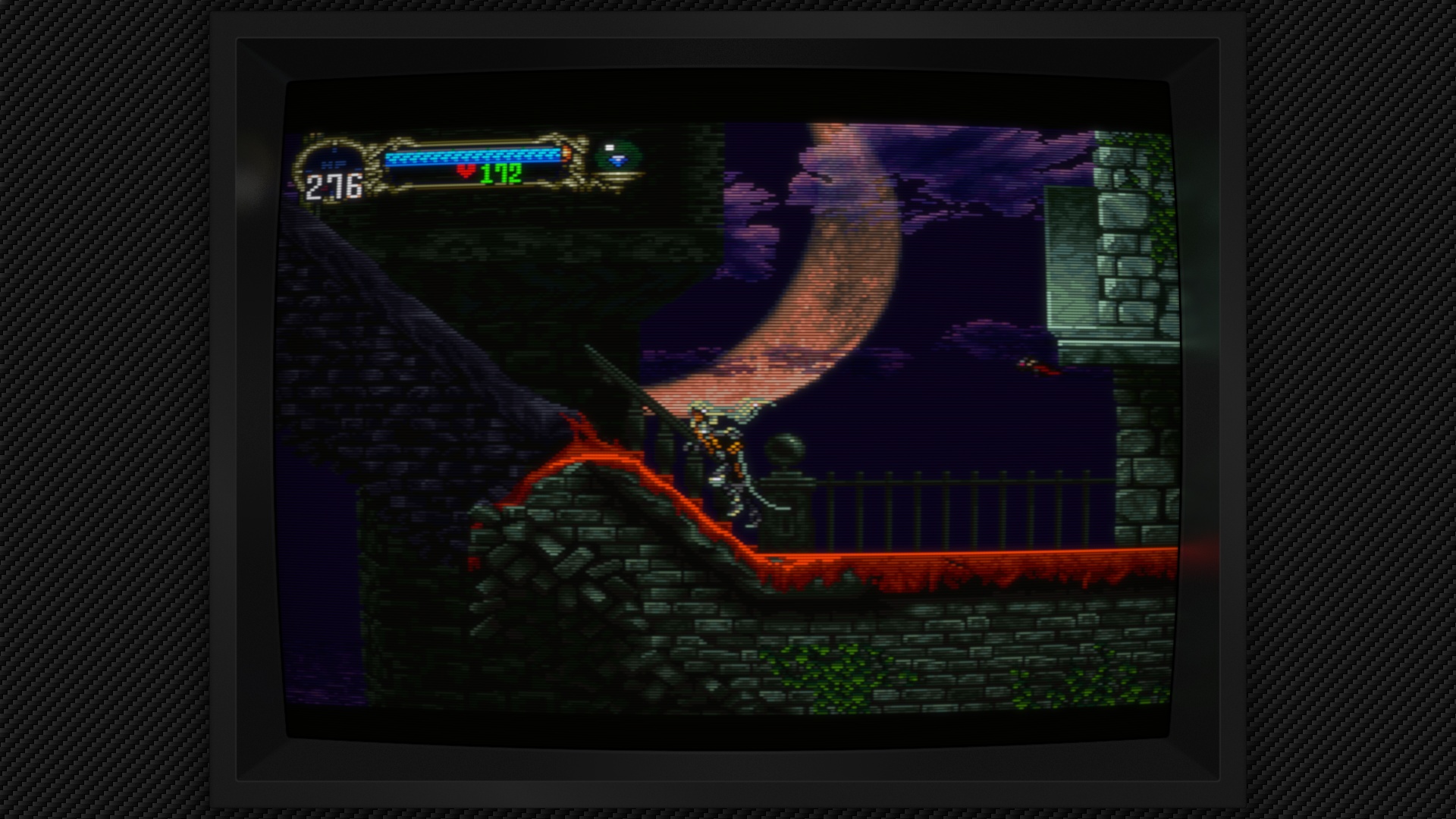
Symphony of the Night is a brilliant game, full of great moments and some fantastic exploration. The biggest weakness of the game can be massively reduced by not being a completionist (I recommend fully doing the main castle) and it’s just a joy to play. It can get easy, but when the gameplay still feels good, that doesn’t seem like an issue to me, and you have to work to get to that point.

Fave
Those looking for a quick fix or more immediate, arcade-style thrills are unlikely to grasp Castlevania’s intricacies. On the surface it looks archaic, but tucked just beneath is a game that throws the majority of PlayStation eye candy into sharp relief. Hardcore gamers will relish its classical sensibilities
Edge Issue #51
Remake or remaster?
This game desperately needs a multiplatform port with some enhanced features.
Official Ways to get the game
Symphony of the Night is available on Castlevania Requiem on PS4.
Europe
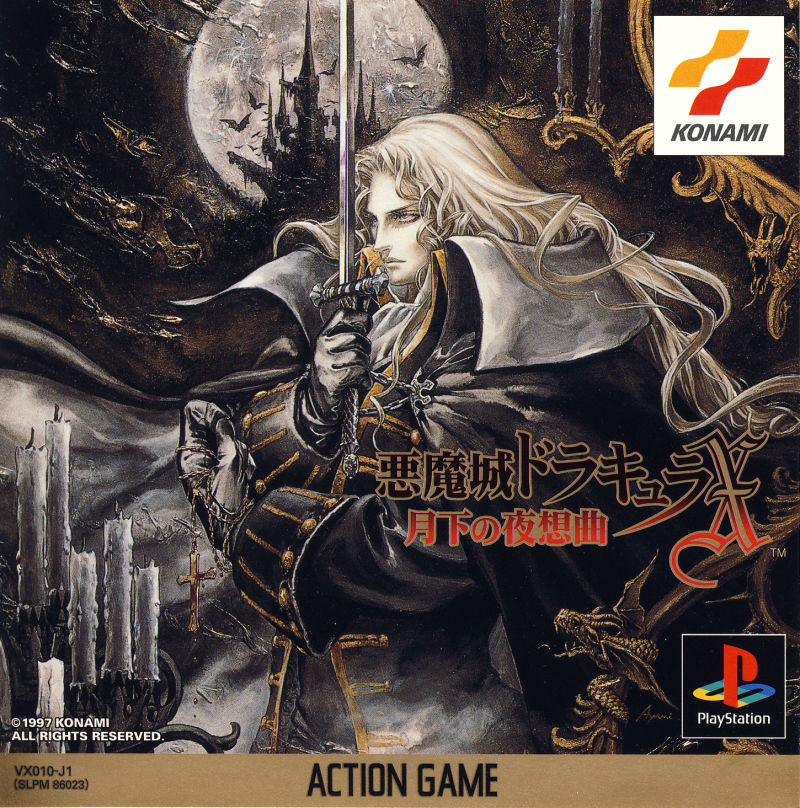
Japan
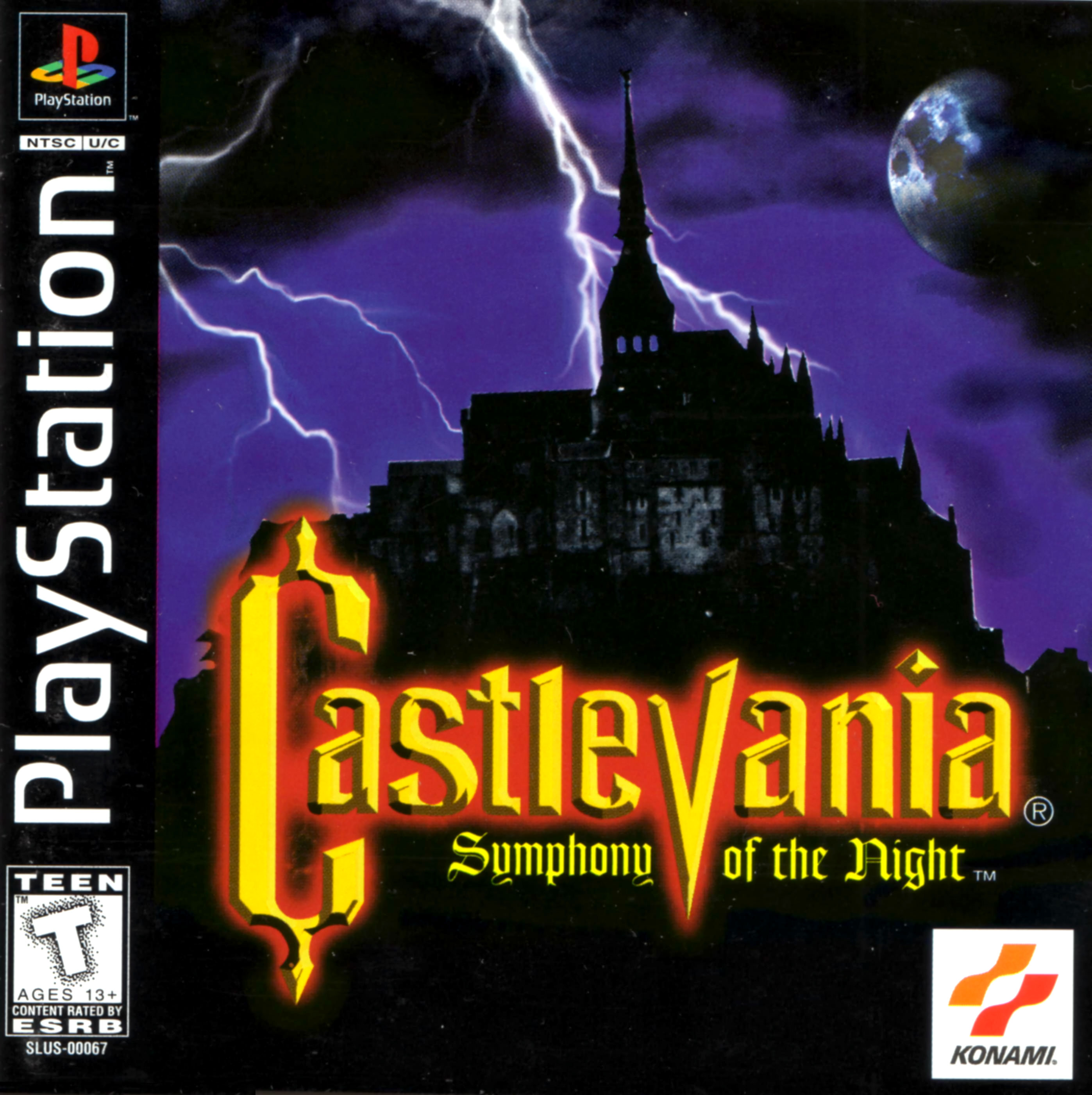
North America

Castlevania Games by Date
1990, 1991, 1992, 1993, 1994, 1995, 1996, 1997, 1998, 1999
2000, 2001, 2002, 2003, 2004, 2005, 2006, 2007, 2008, 2009