The tale of Hyrule’s return to light.
- JP release: 2nd December 2006
- NA release: 11th December 2006
- EU release: 15th December 2006
- Developer: Nintendo
- Publisher: Nintendo
- NGC Magazine Score: 97%
- Mods Used: Widescreen Patch

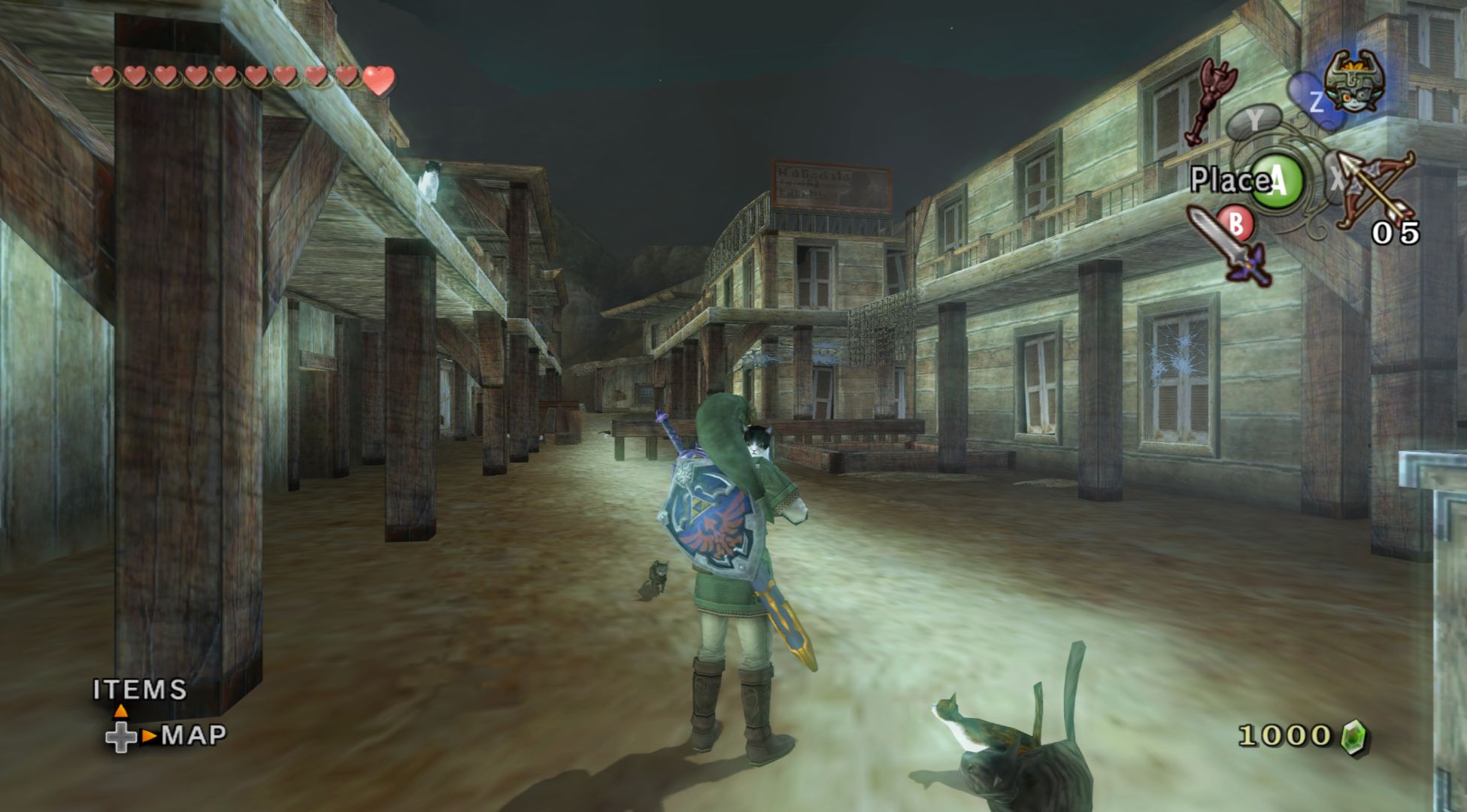
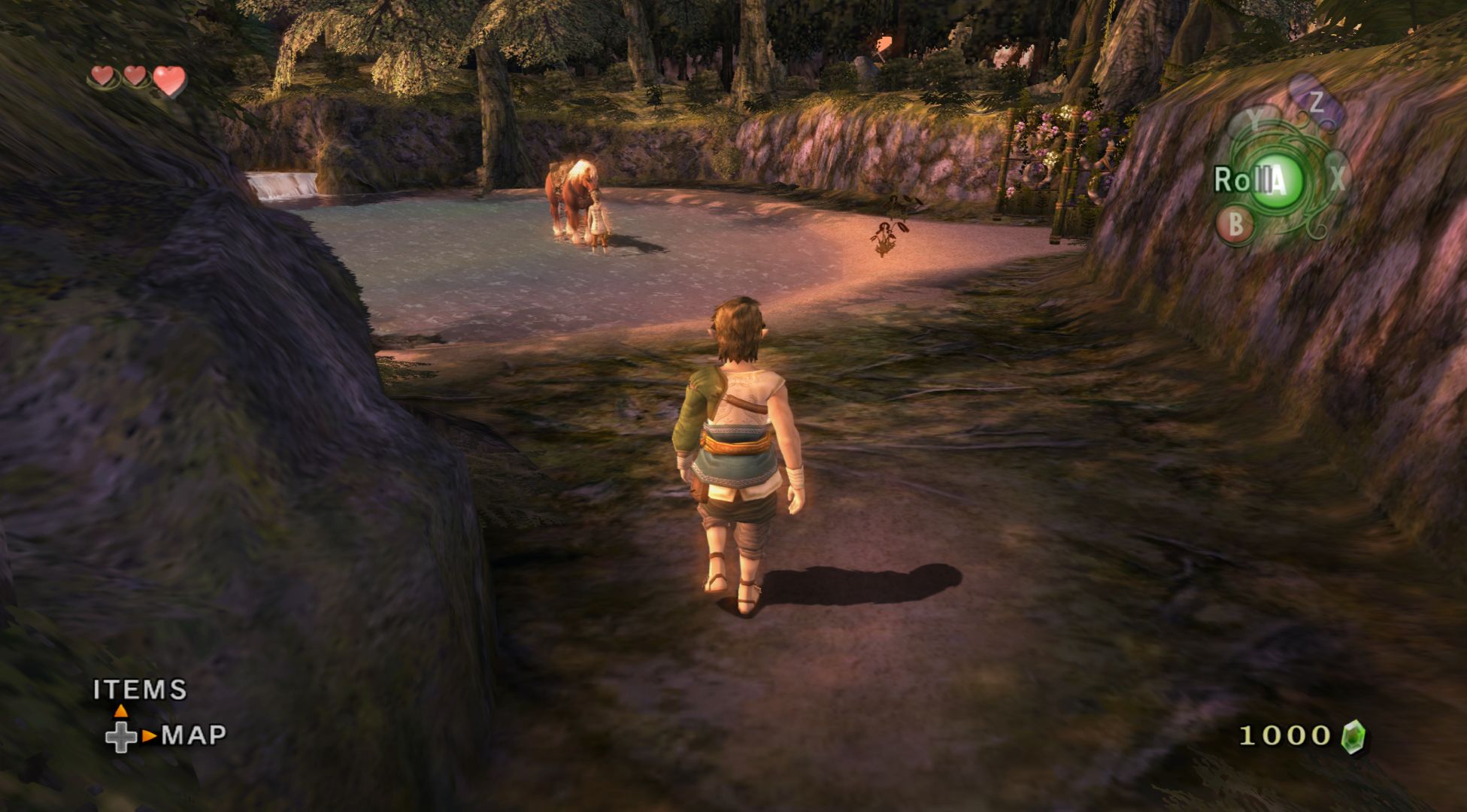
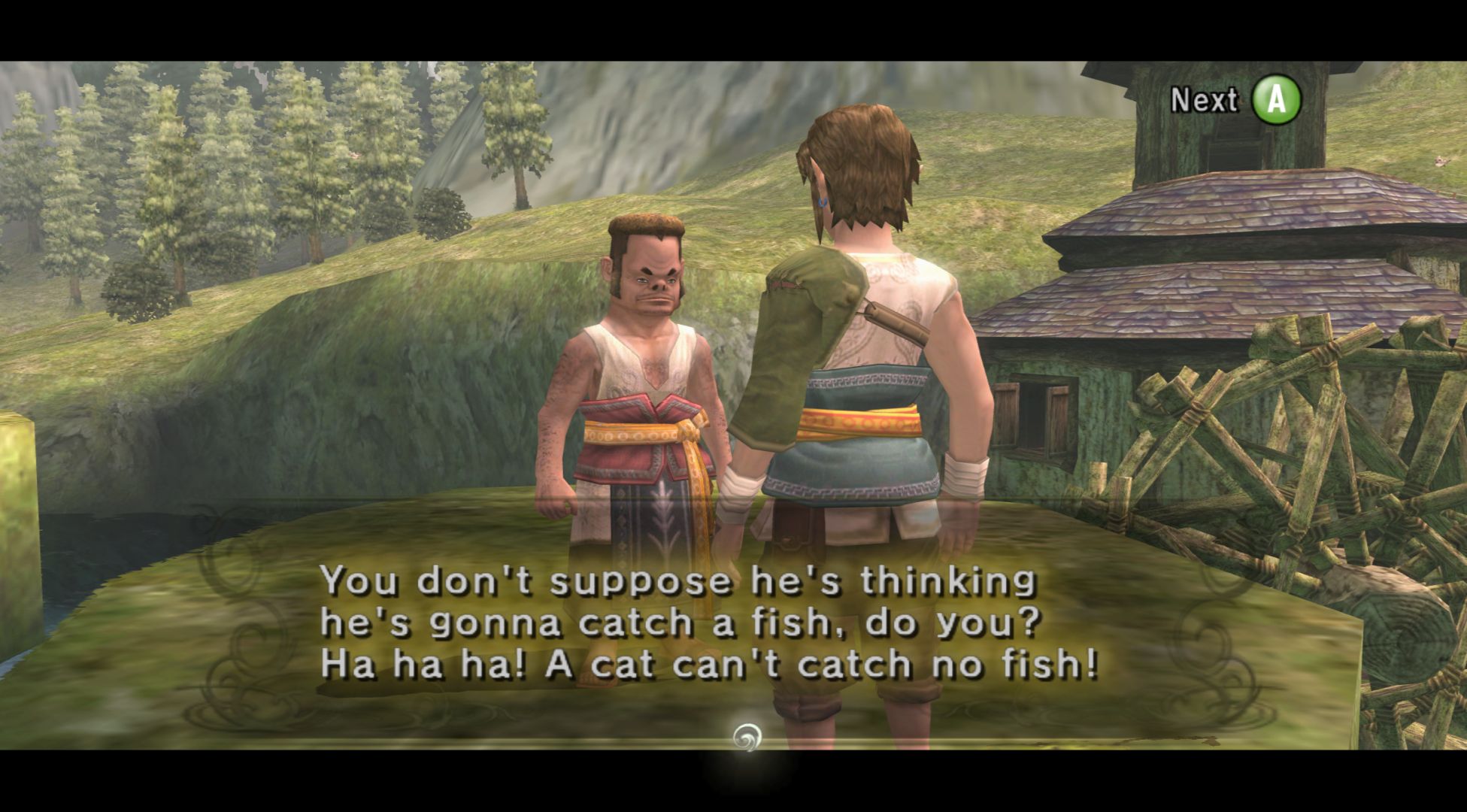
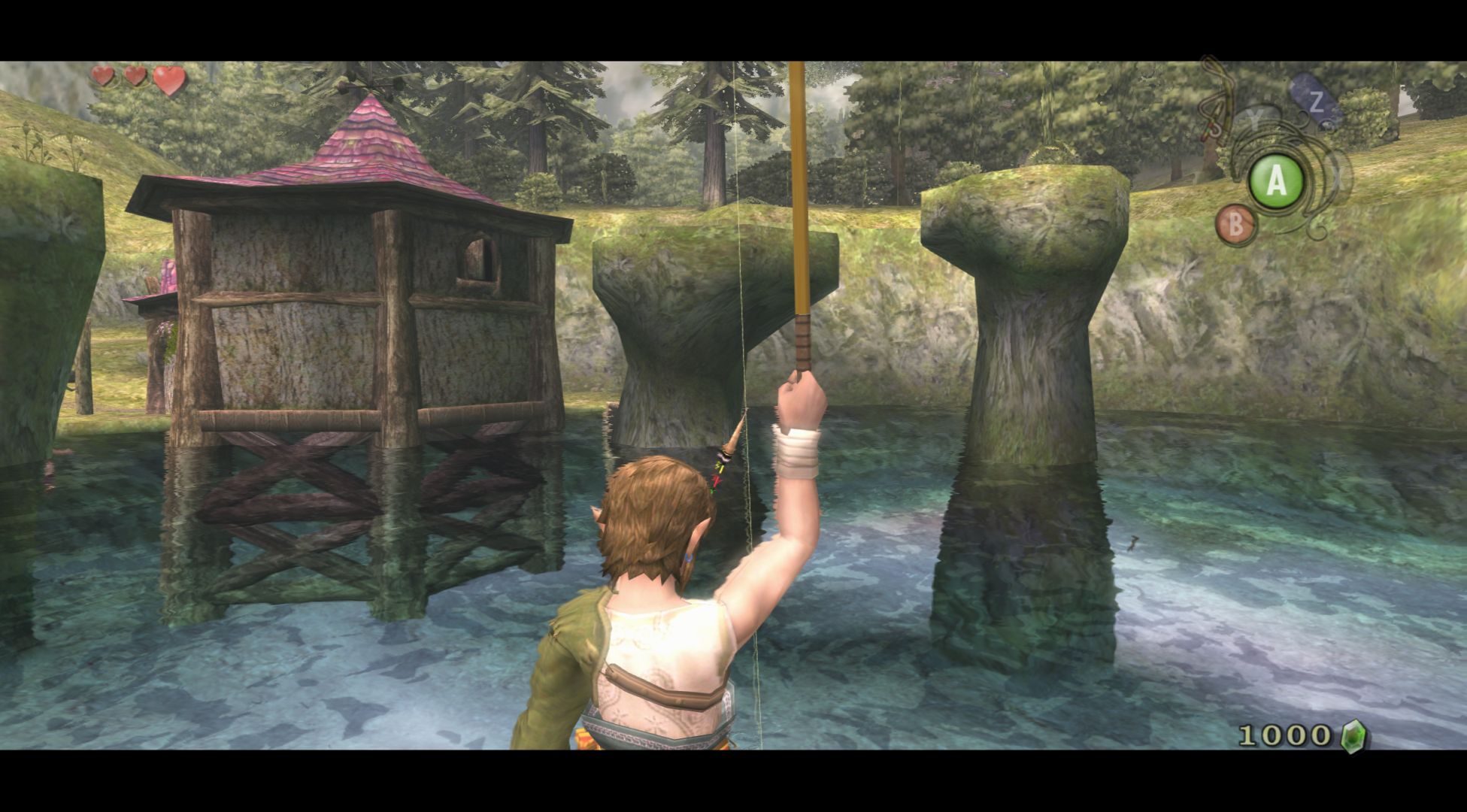
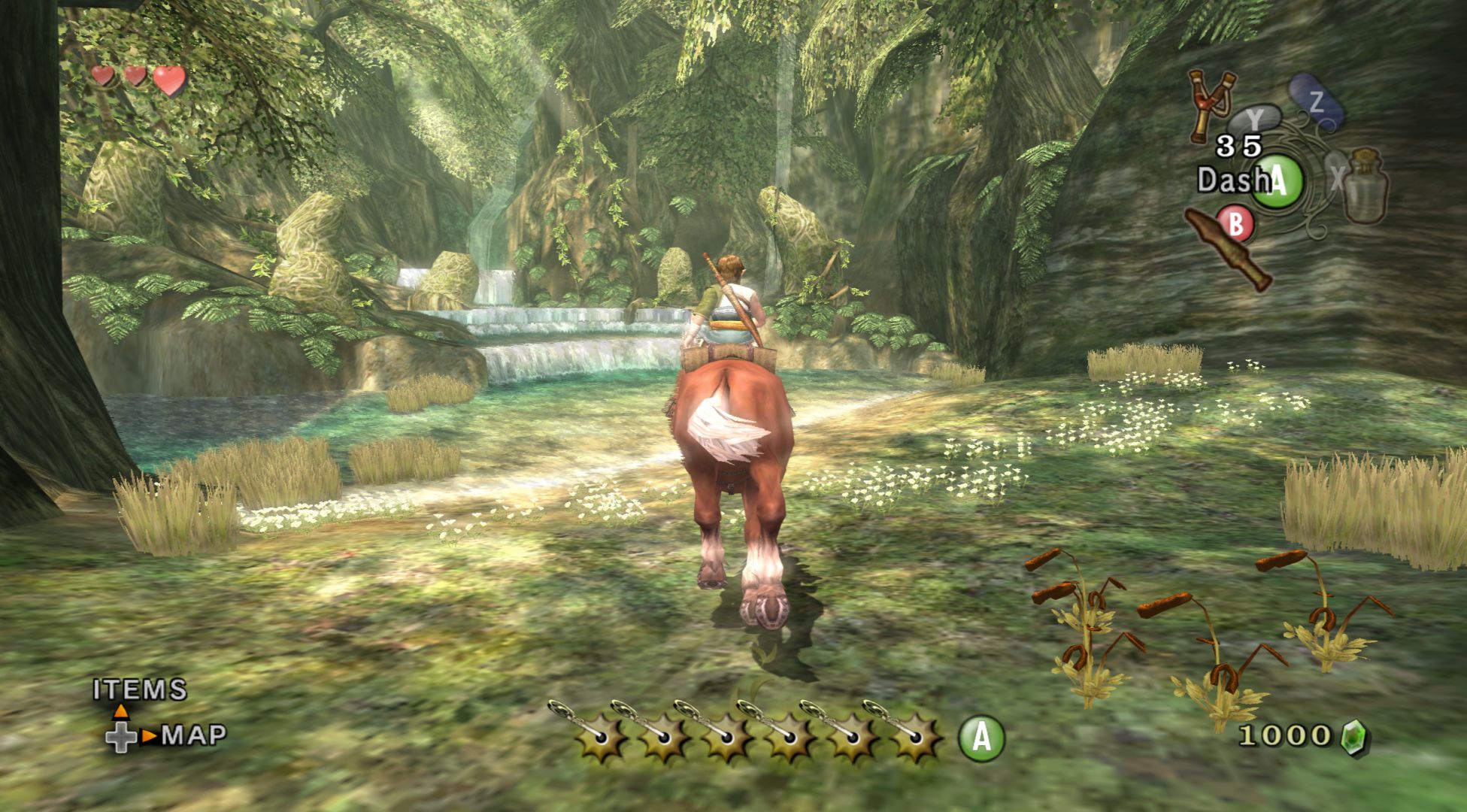
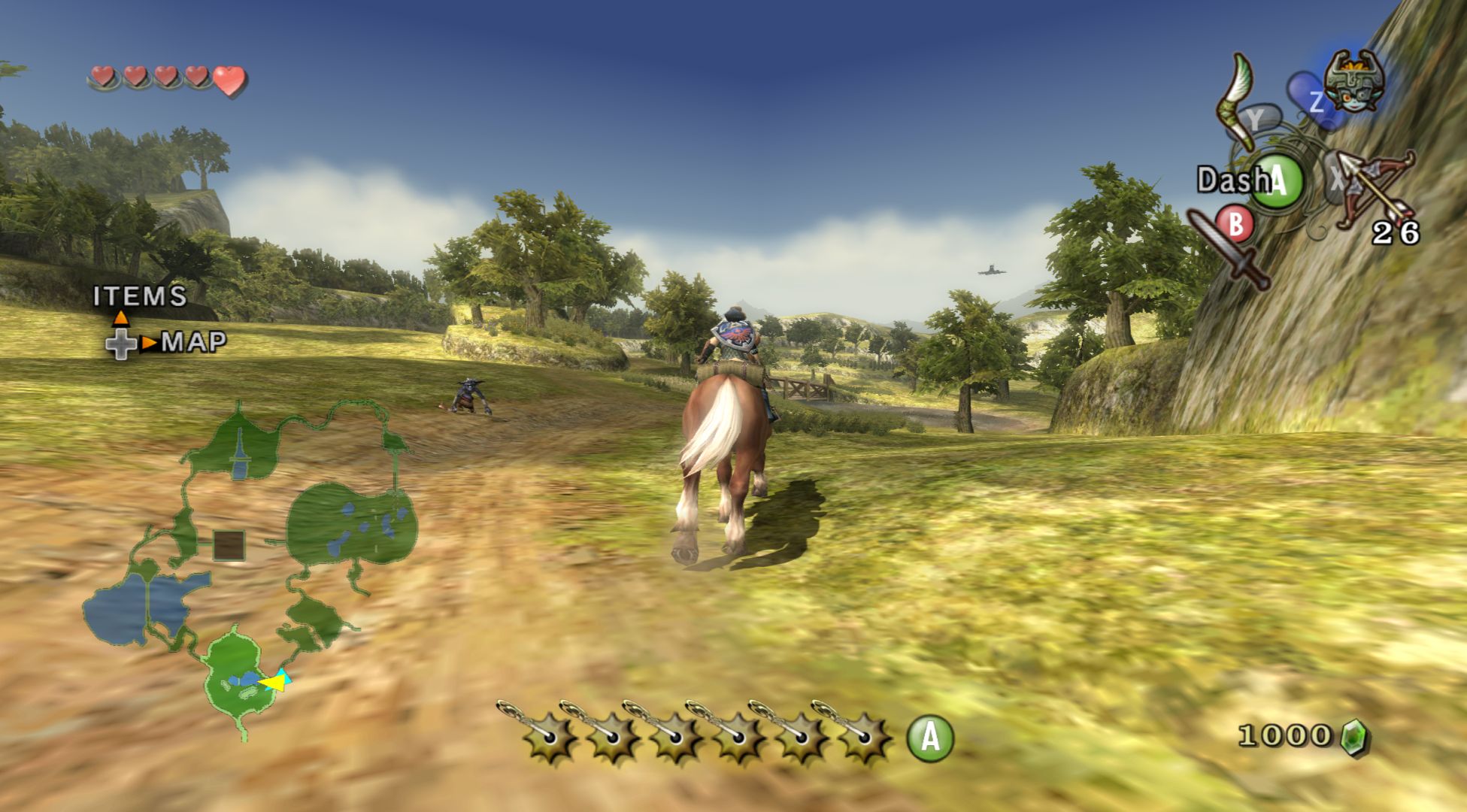
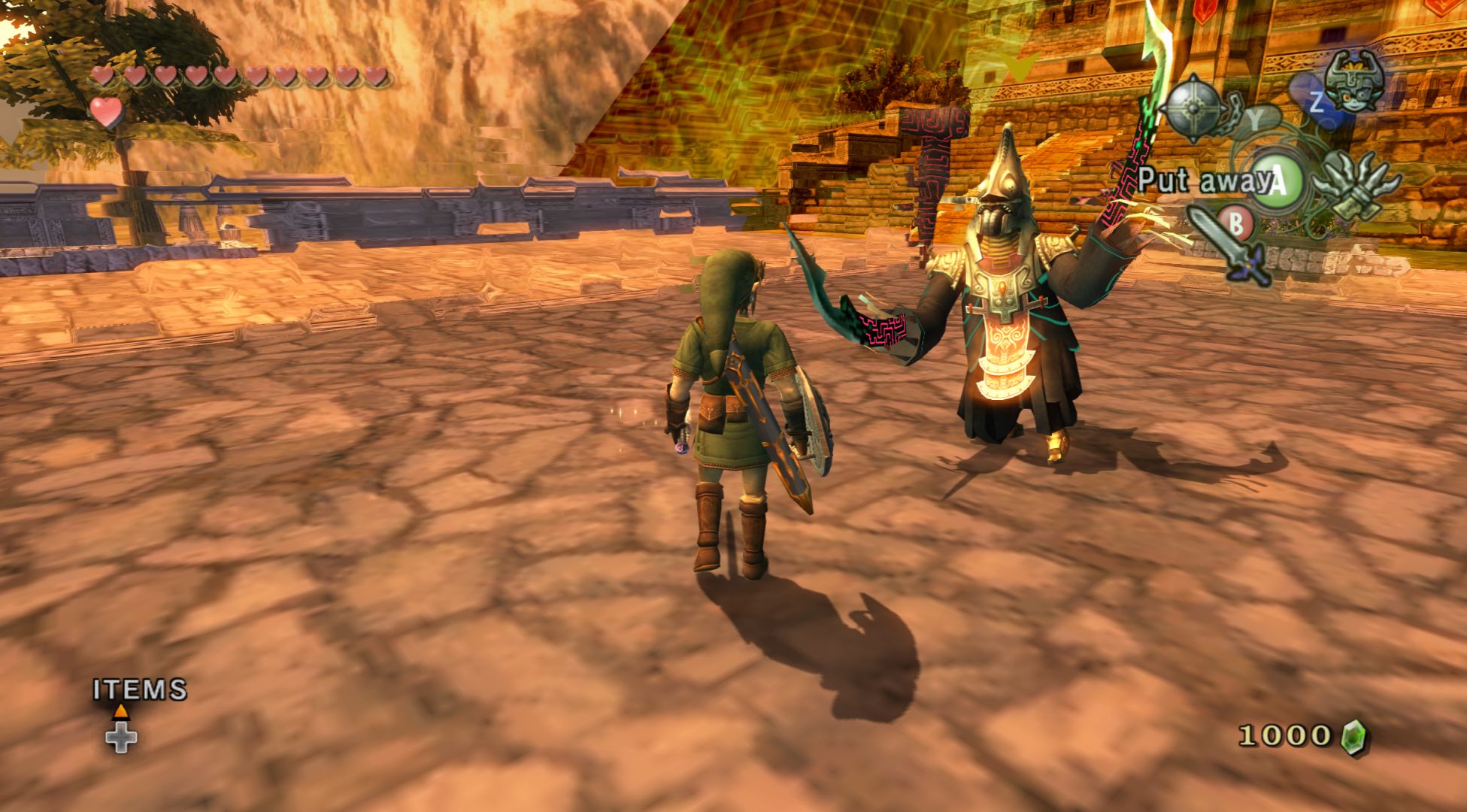
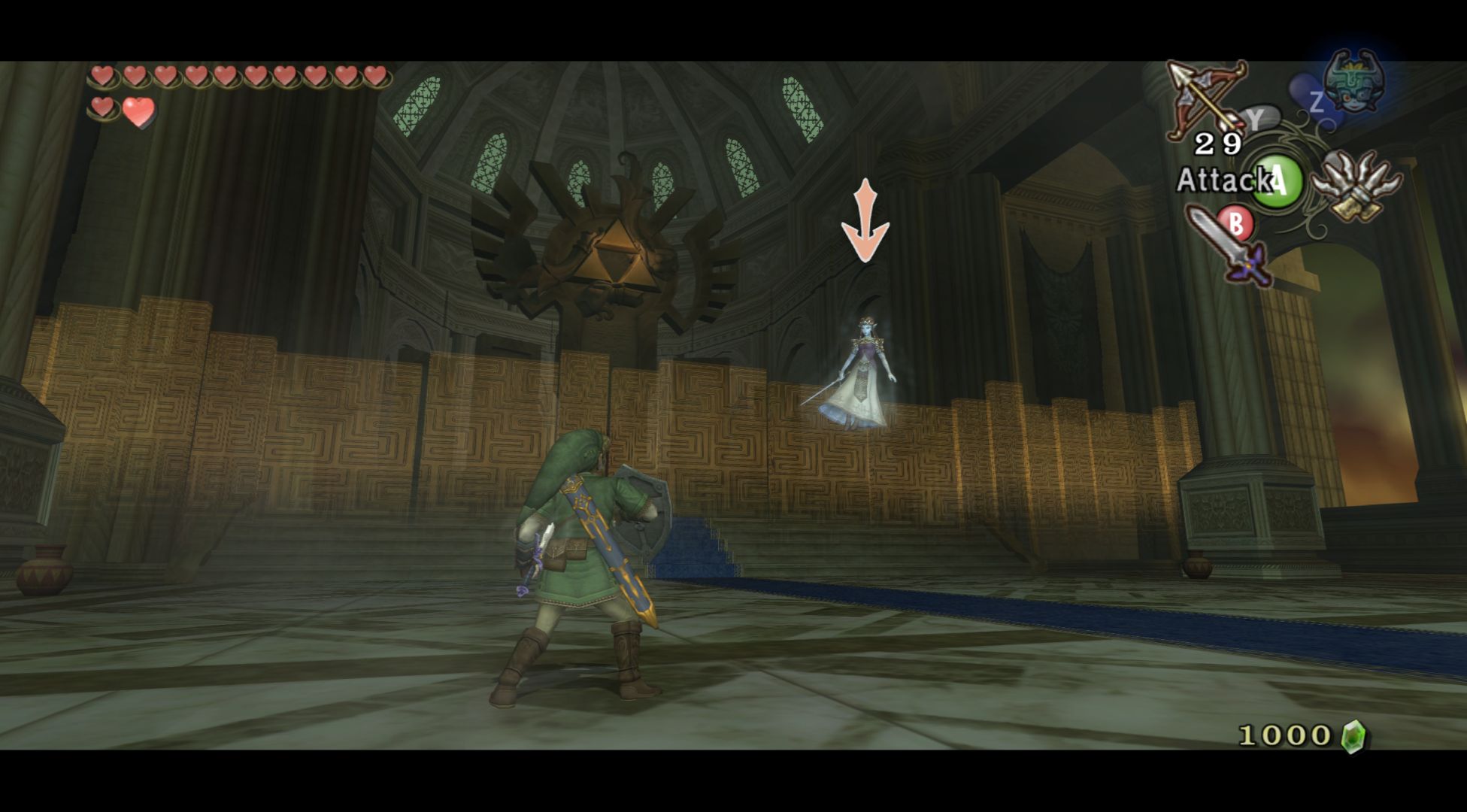
After people moaned about the graphics of Wind Waker, Nintendo seemed to want to cater to that audience, creating what the original space world GameCube trailer promised: Ocarina of Time with better graphics. However, due to the length of development, Nintendo’s next console, the Wii, was fast approaching, so they decided to release the game on both consoles, although the GameCube version came out a few weeks after the Wii version (I’m glad the Wii U/Switch versions of Breath of the Wild were released on the same day). I’ve played the Wii and Wii U versions of Twilight Princess before, but this is my first time with the GameCube version.
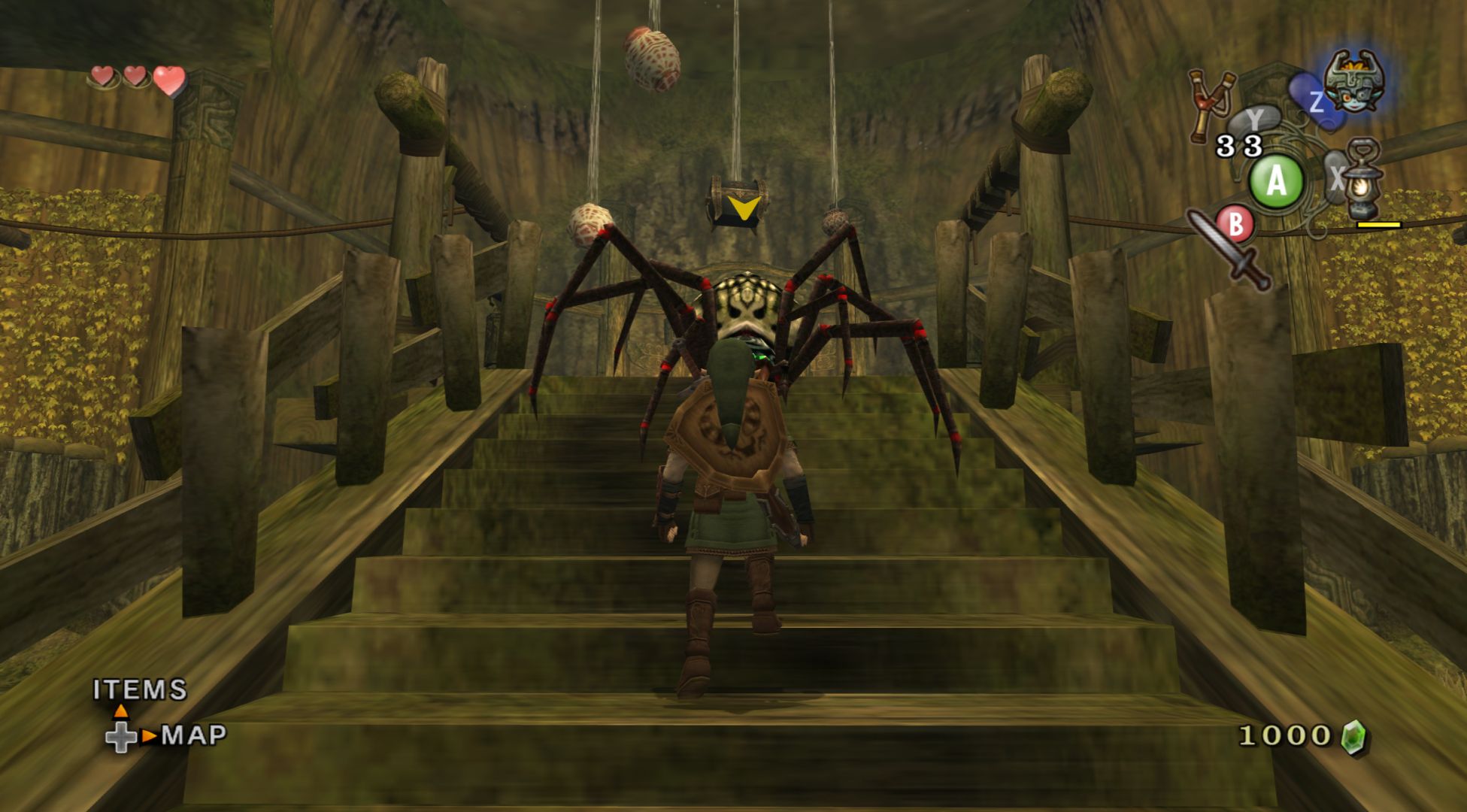
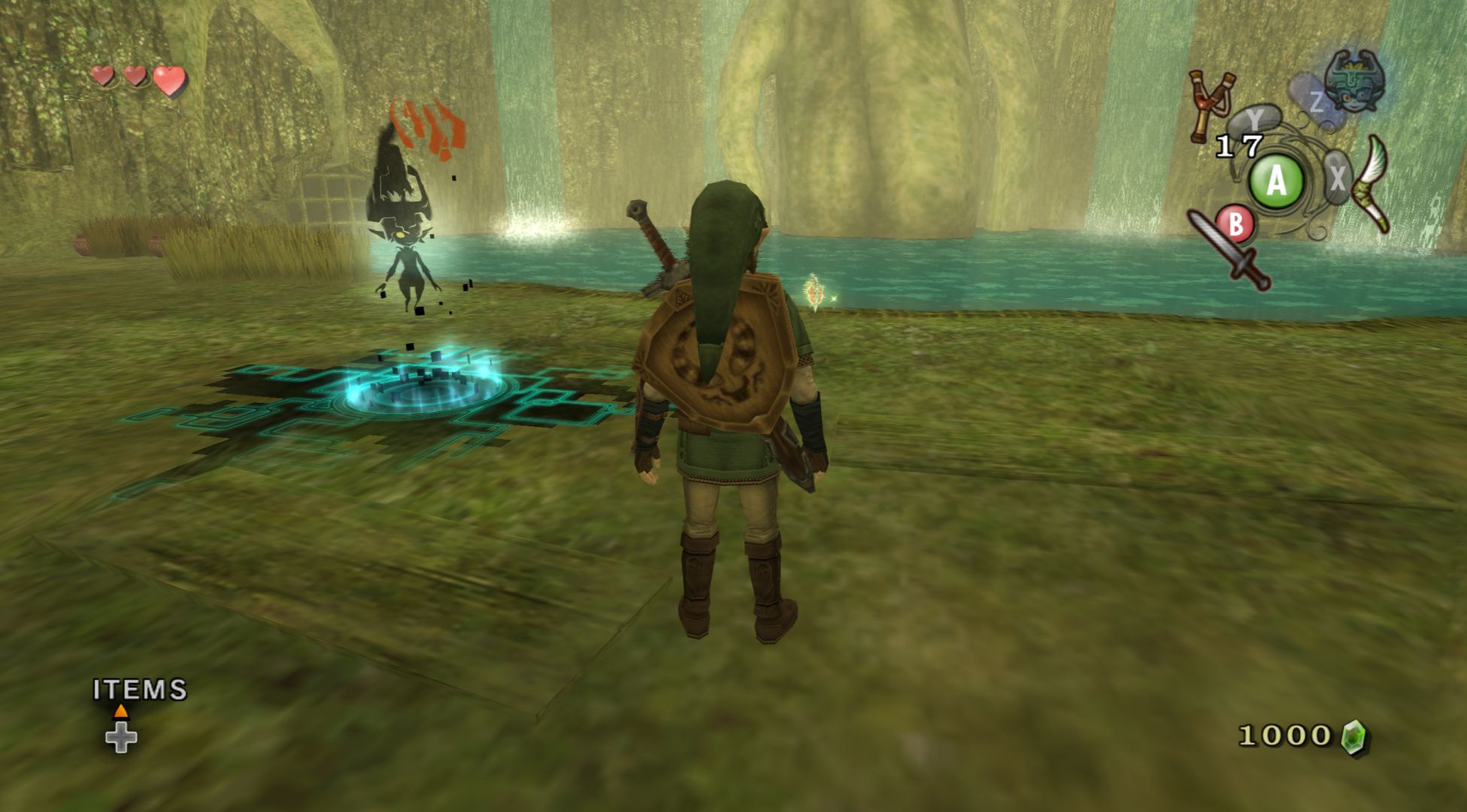
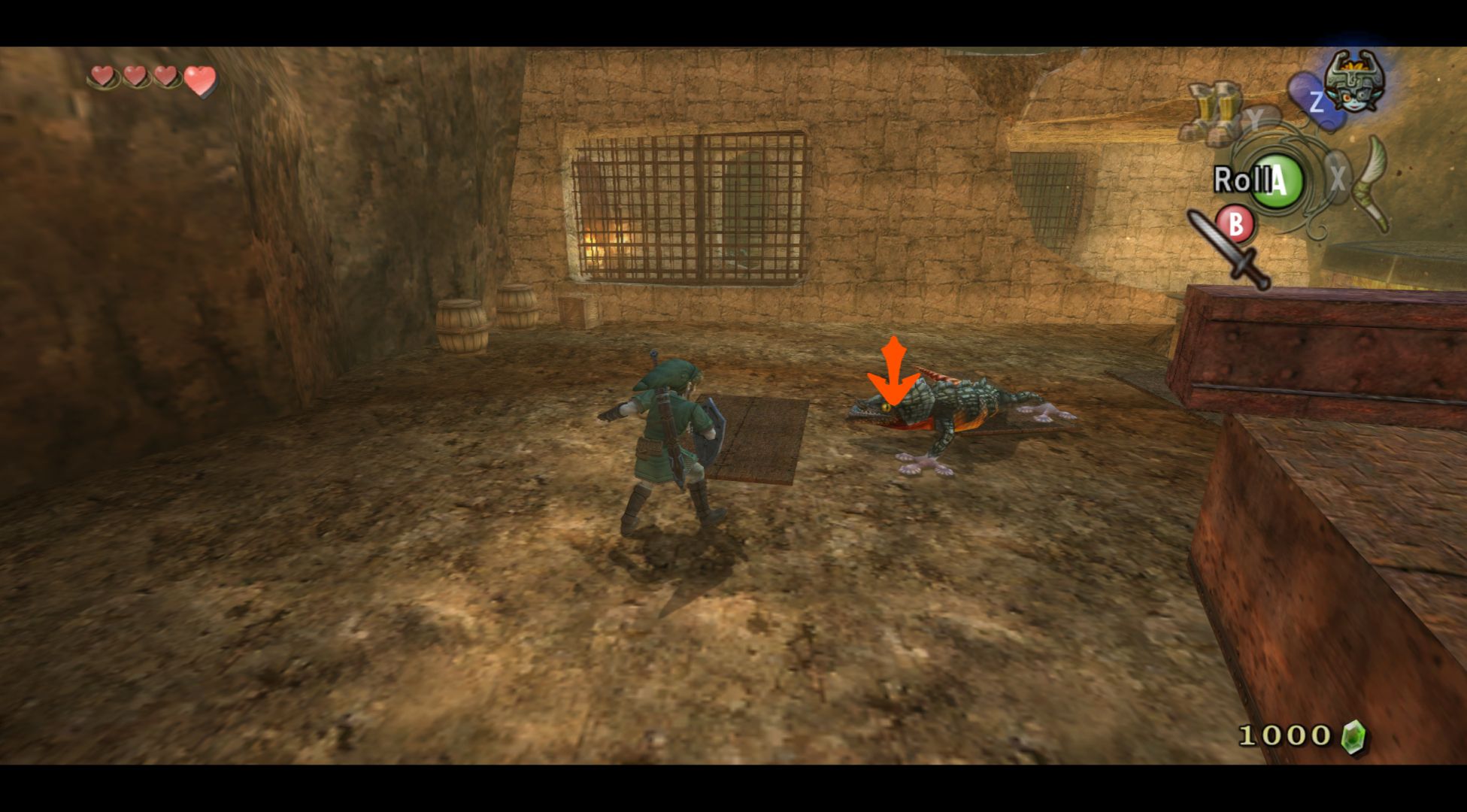
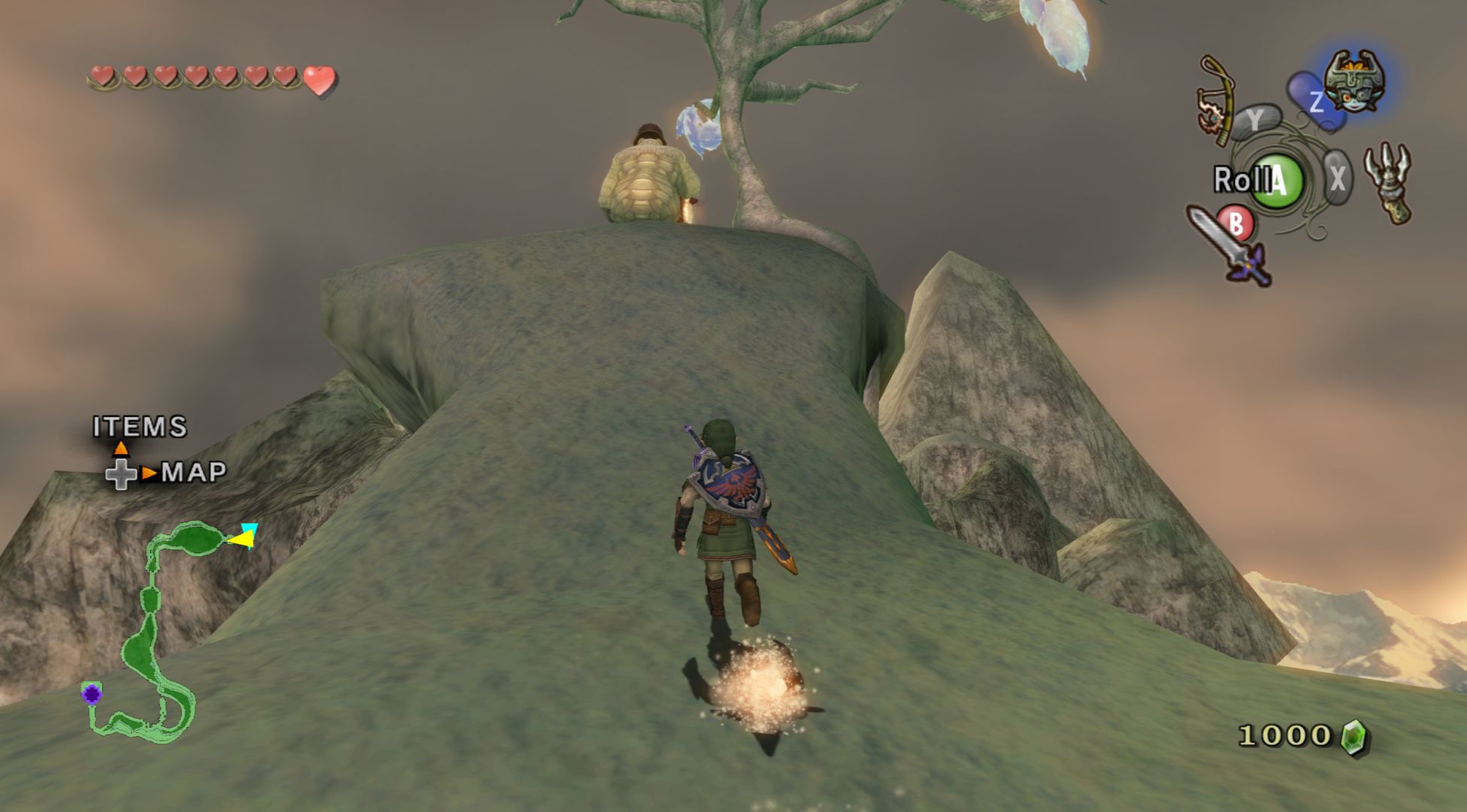
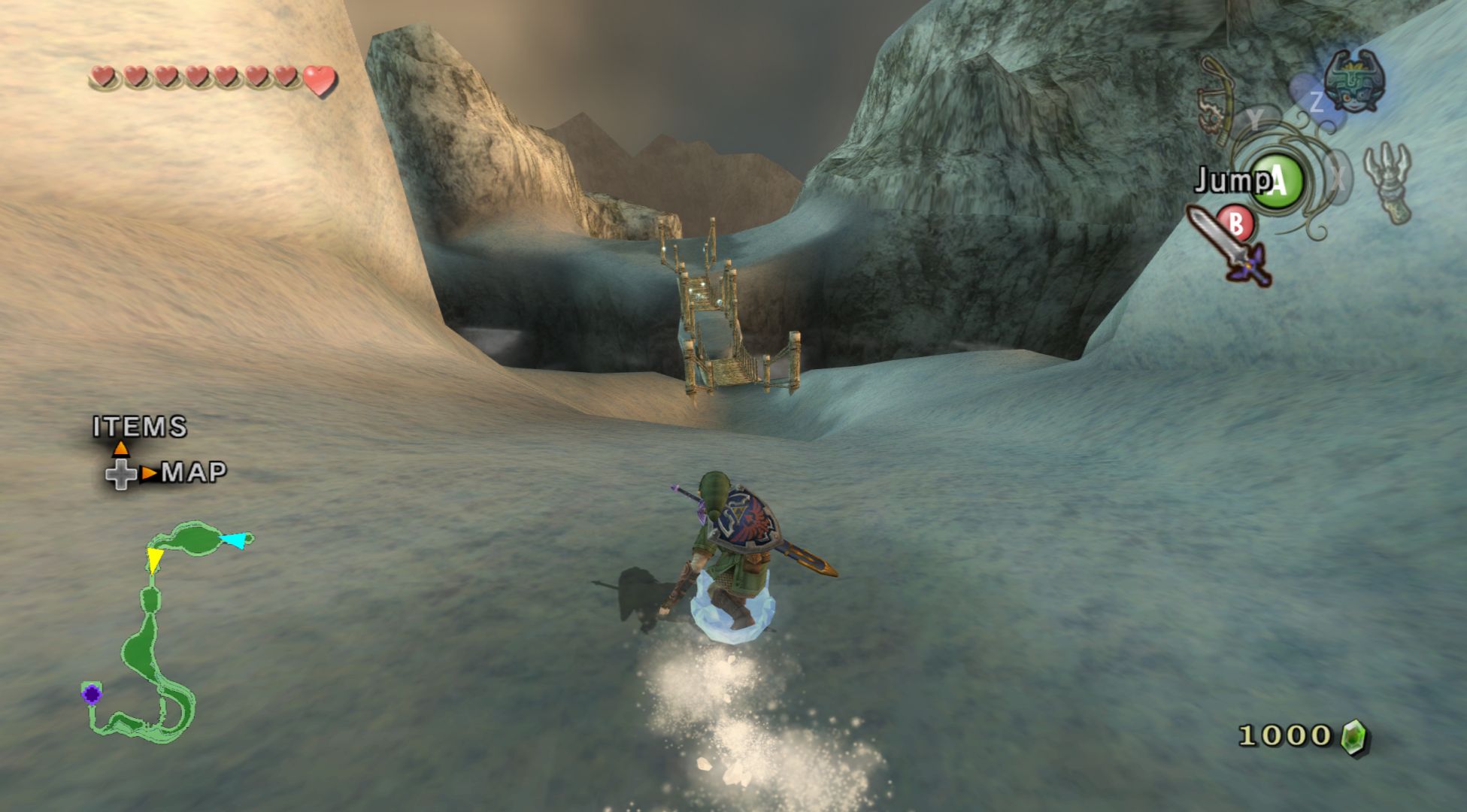
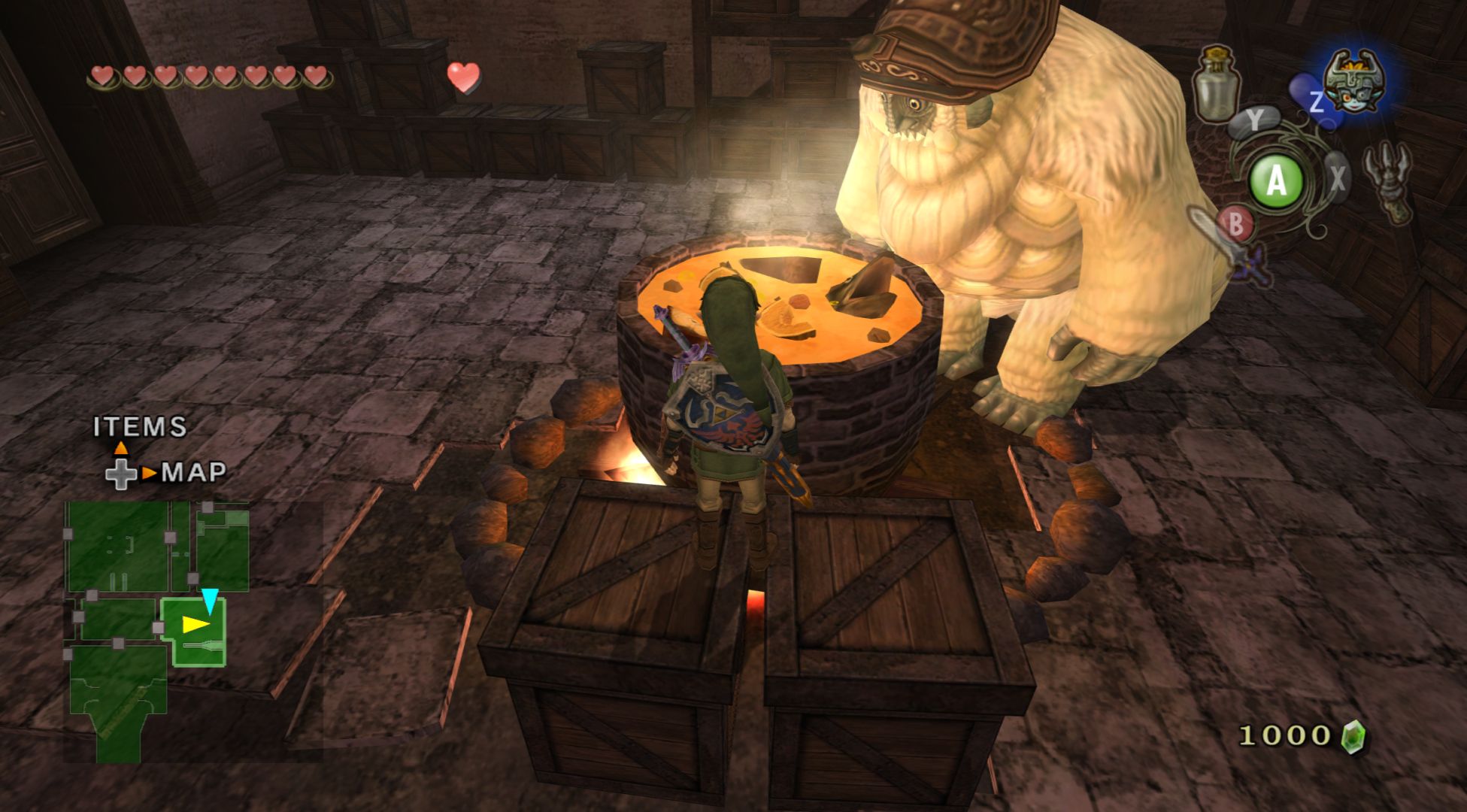
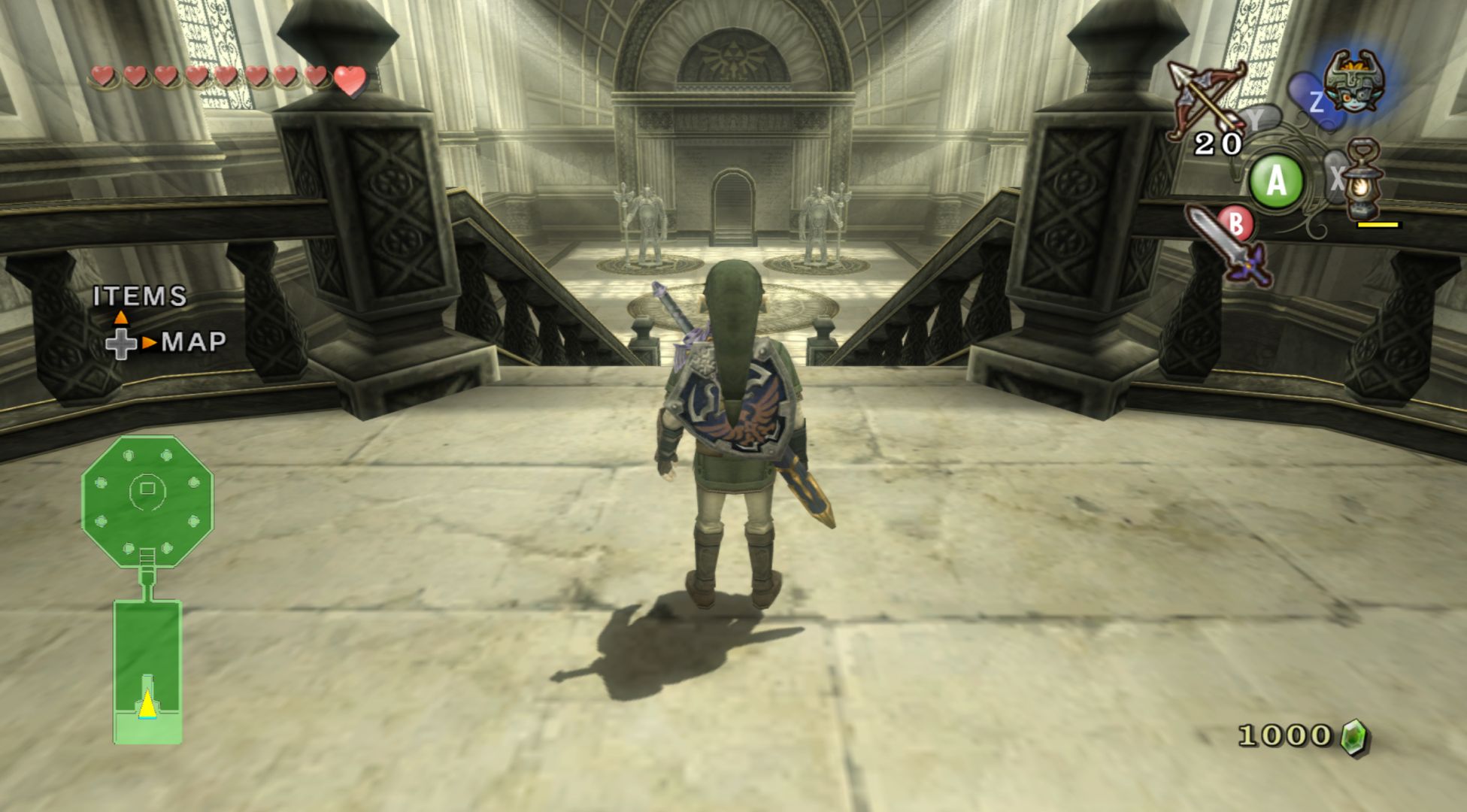
With the Wii having a very unique control setup, Twilight Princess did undergo a few changes. The way you select items has gone from a traditional menu to a “weapon wheel” type system, which worked well on the Wii version, but feels really slow on the GameCube. This isn’t helped by how the GameCube version only allows you to have two items equipped at once. I’m surprised as to just how odd the controls feel on the GameCube, and I think it’s the worst version of the game due to this. One thing I do appreciate is that, while they mirrored the Wii version to suit right handed people, they kept the GameCube version with its original design.
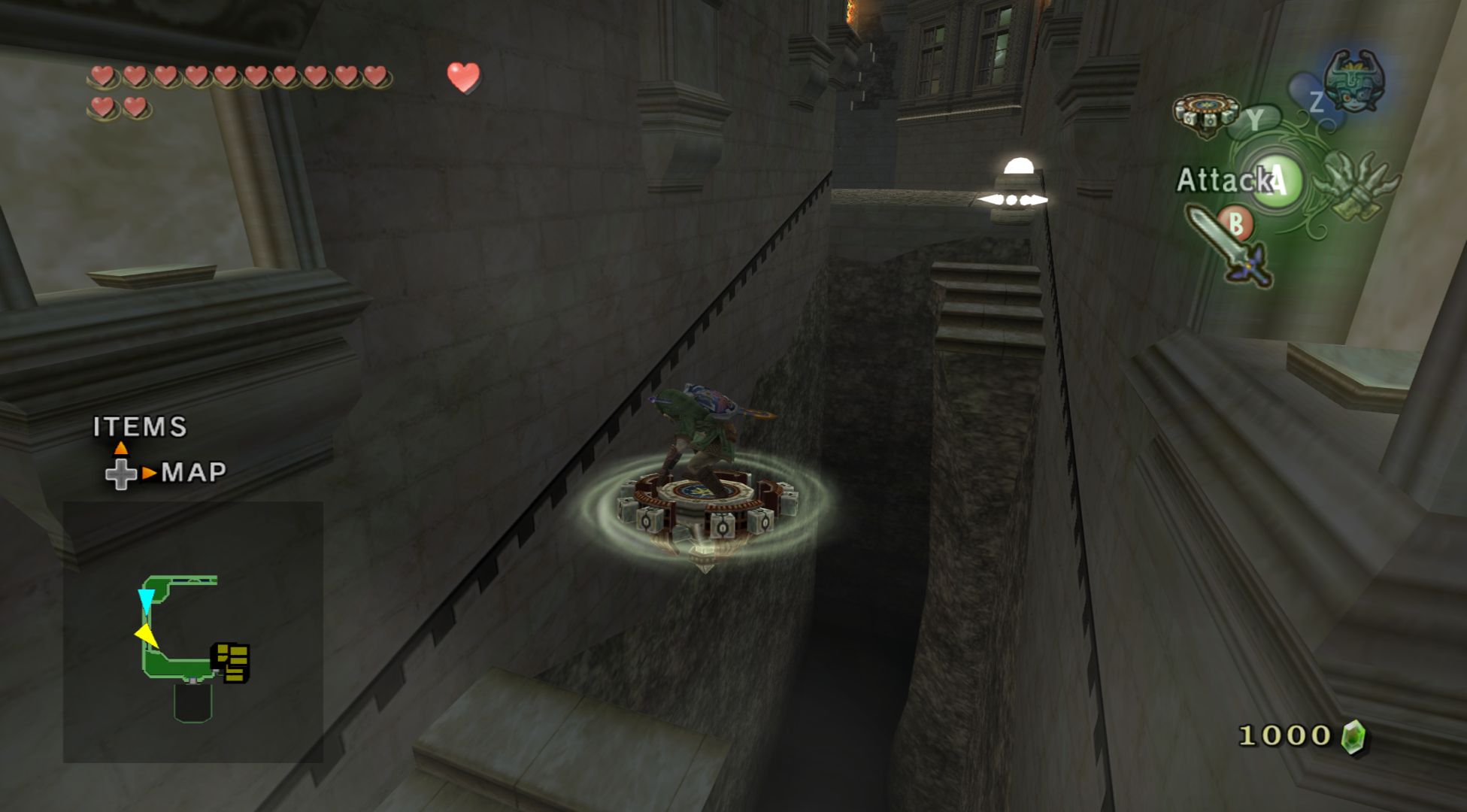
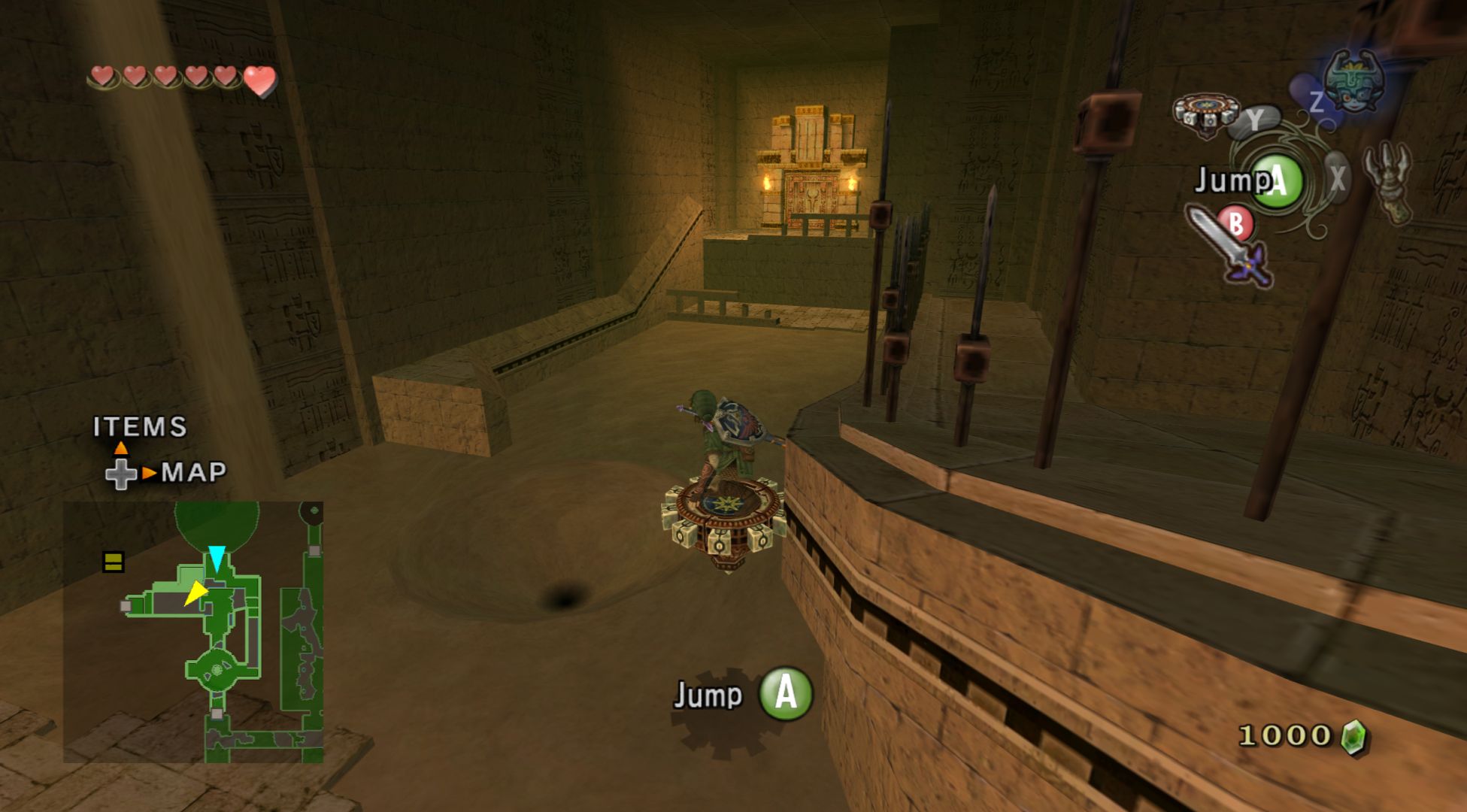
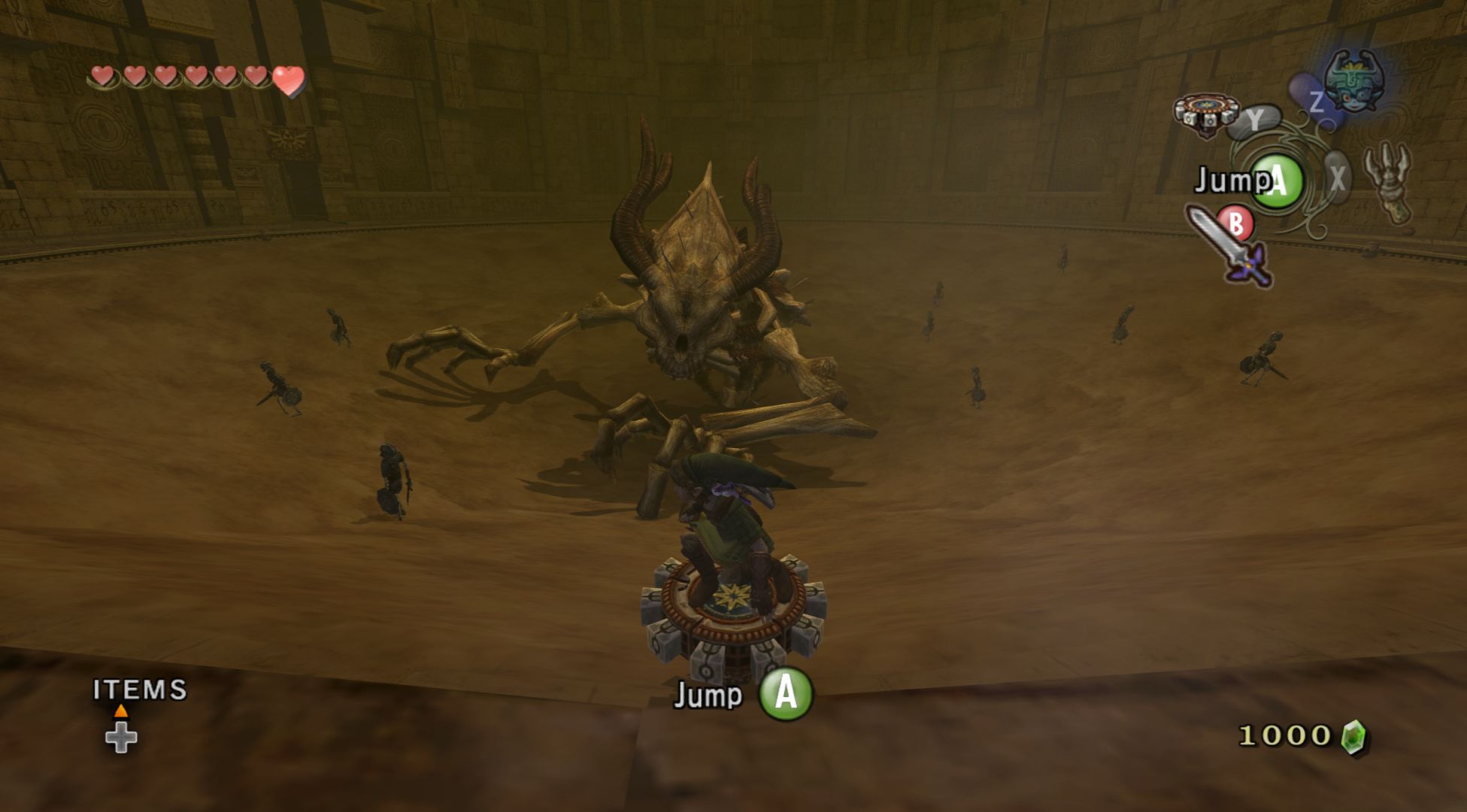
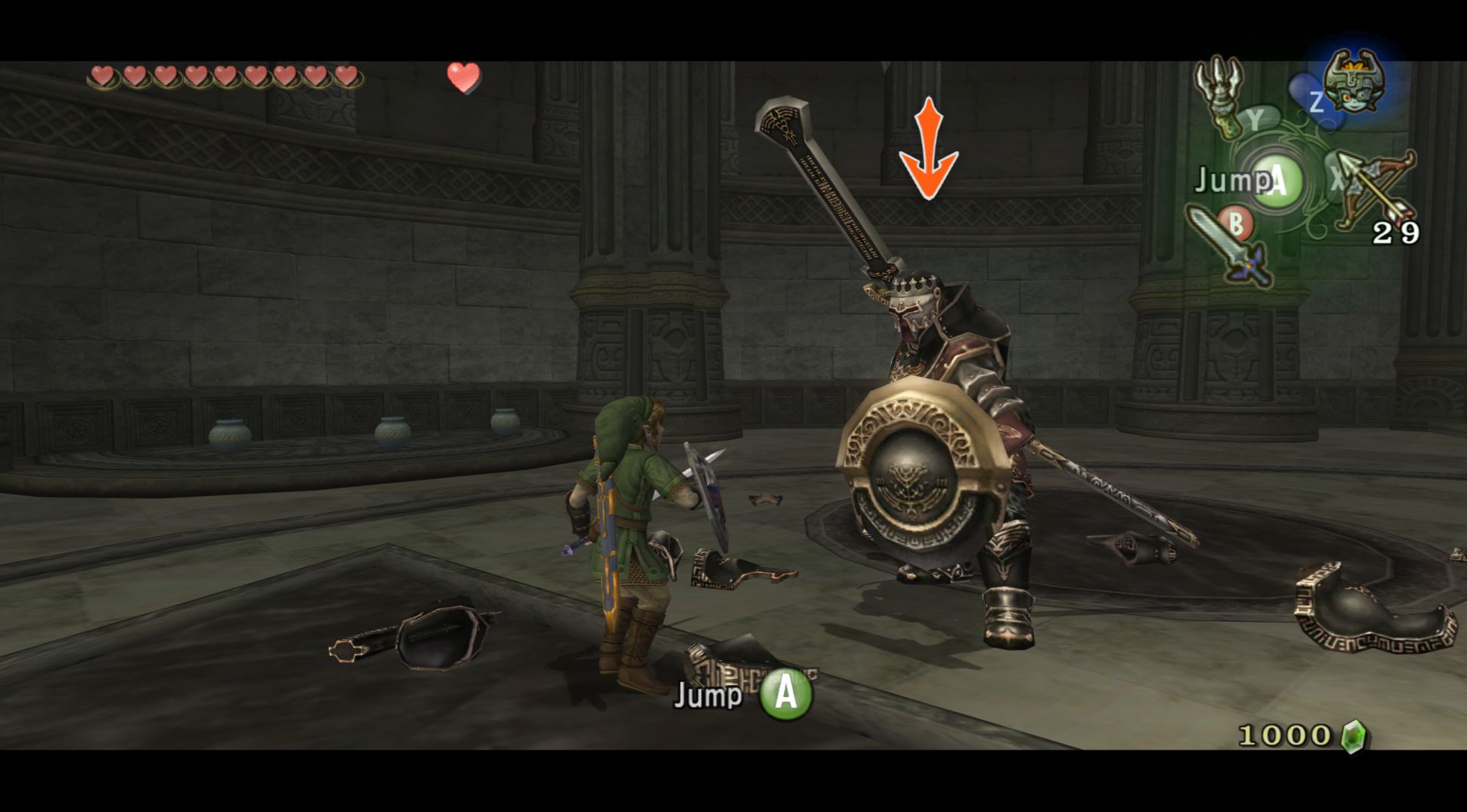
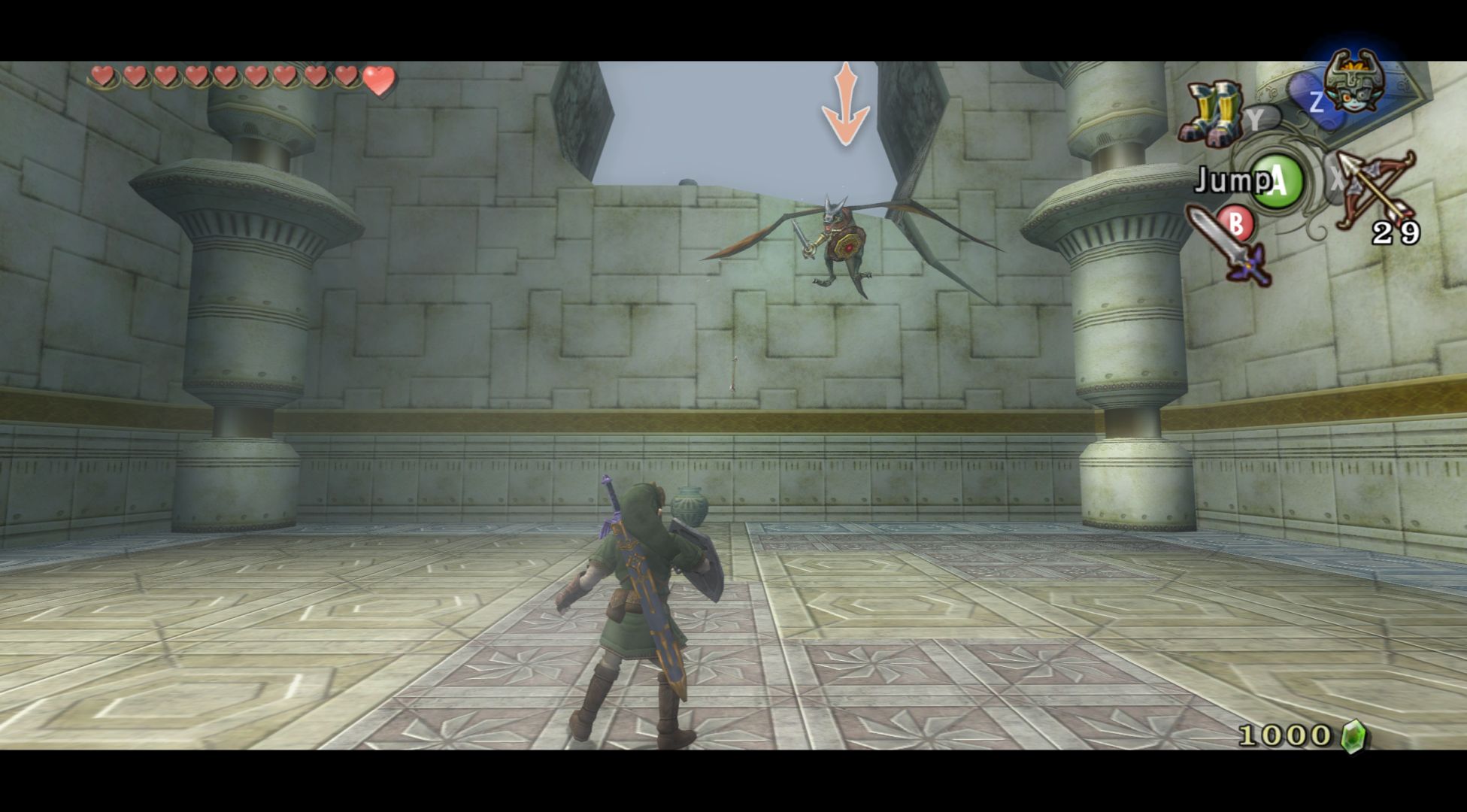
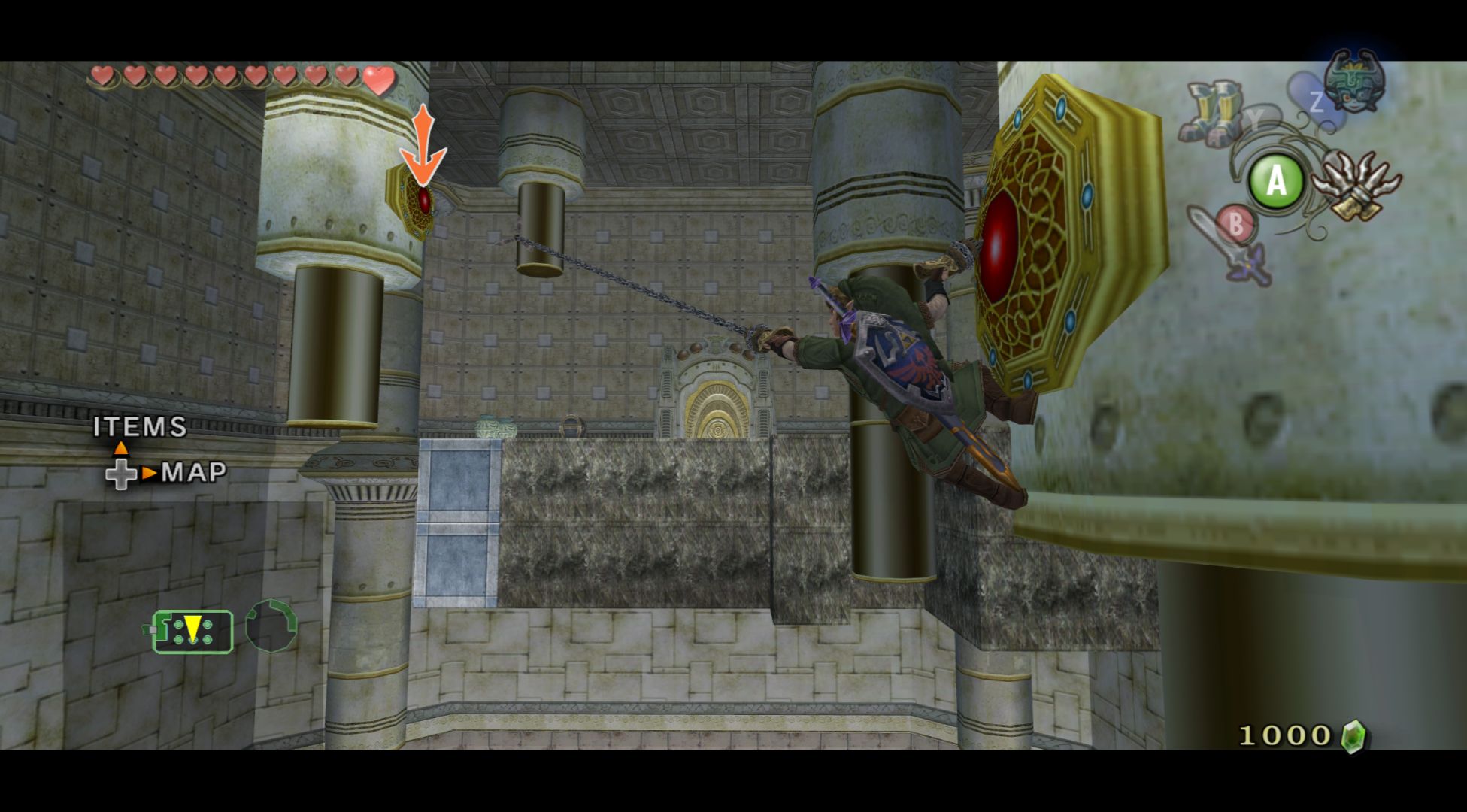
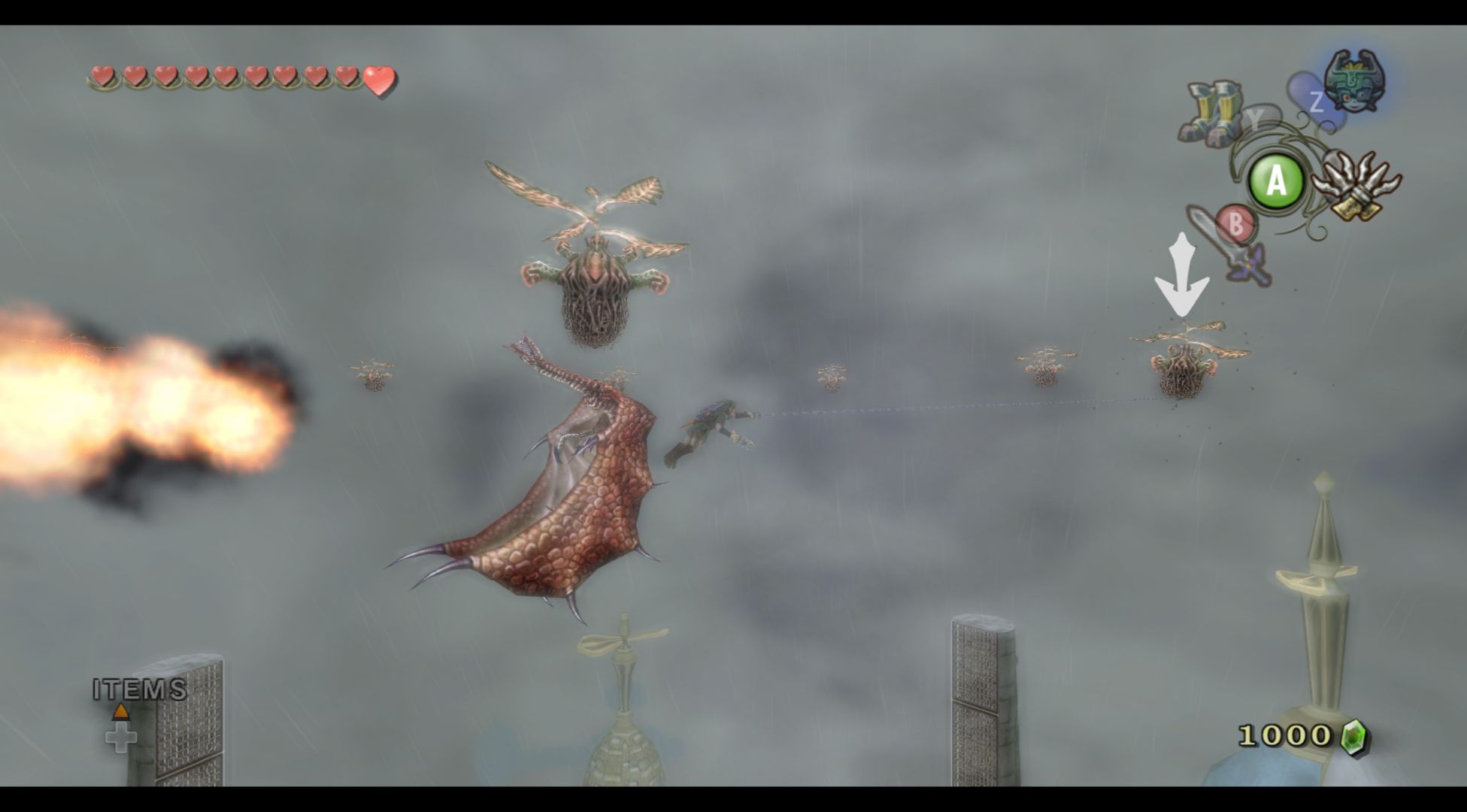
That said, the problem with only having two items at once (and the awkwardness of changing them) isn’t as huge an issue due to the nature of items in Twilight Princess. The items are extremely imaginative – a skateboard-like spinner device that attaches to certain tracks on walls, a ball and chain, dual hookshots, and a staff that lets you take over statues – but are also quite limited. For the most part, items are used extremely well in their initial dungeons, then become nothing more than something to remember when you see a keyhole used by that item later on.
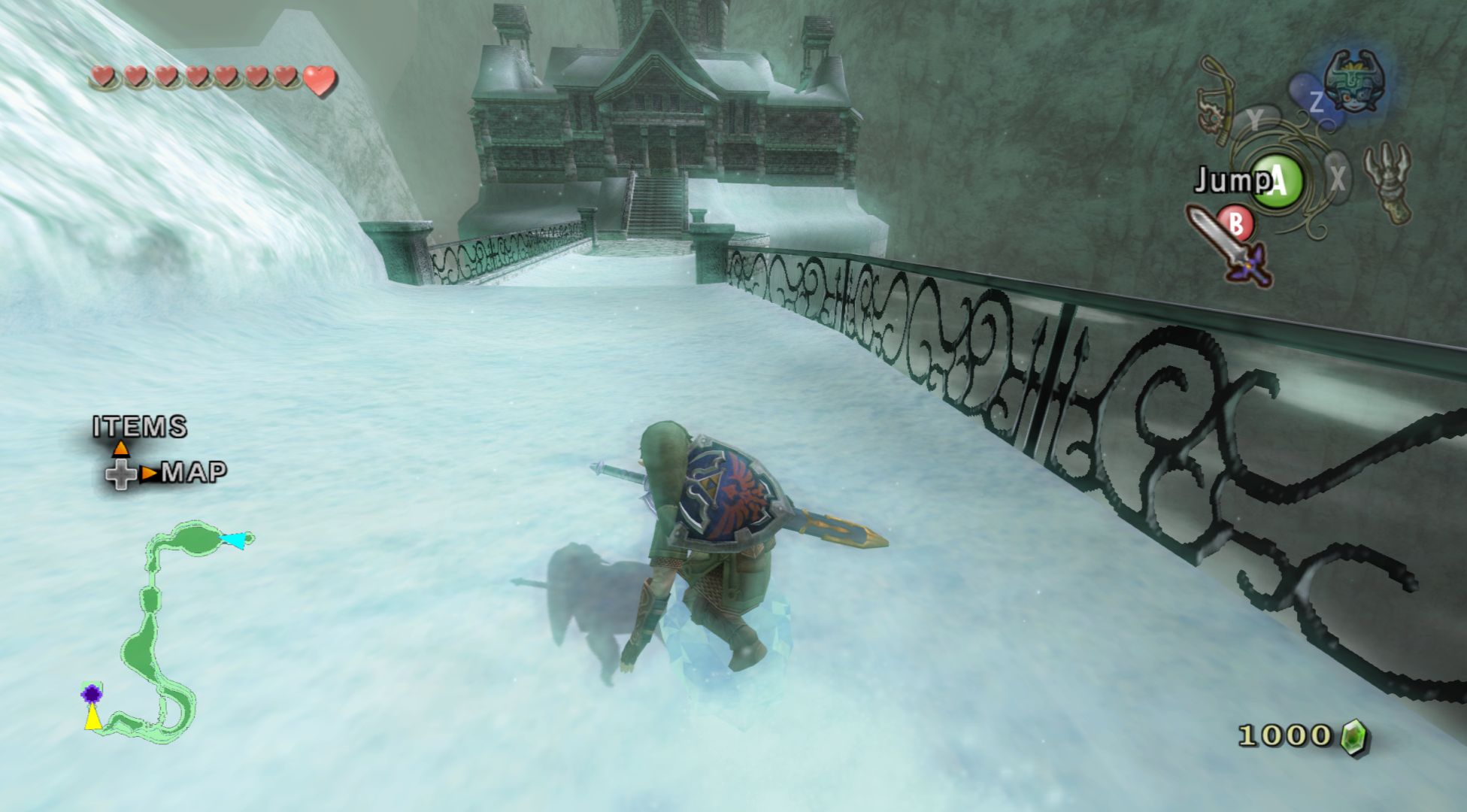
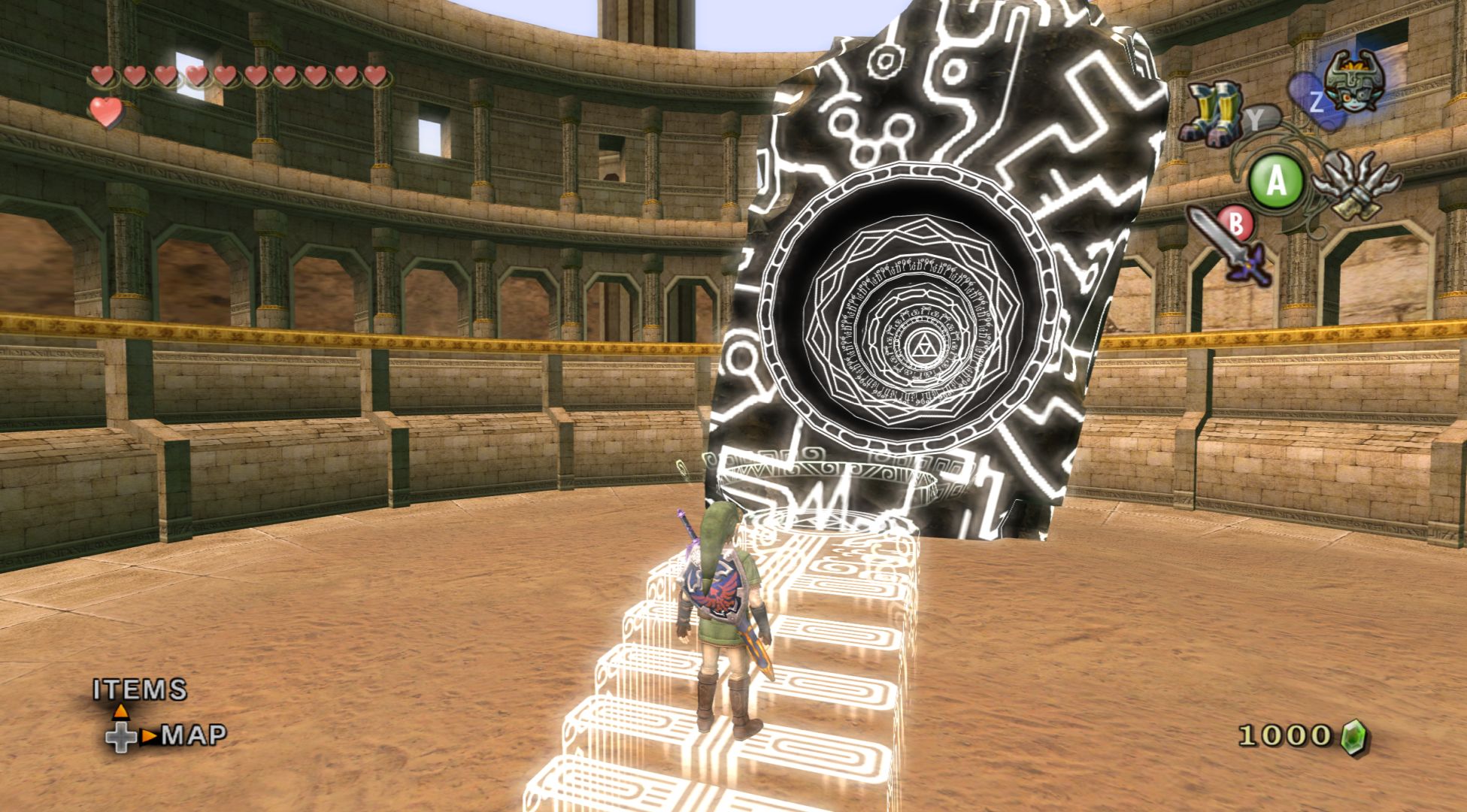
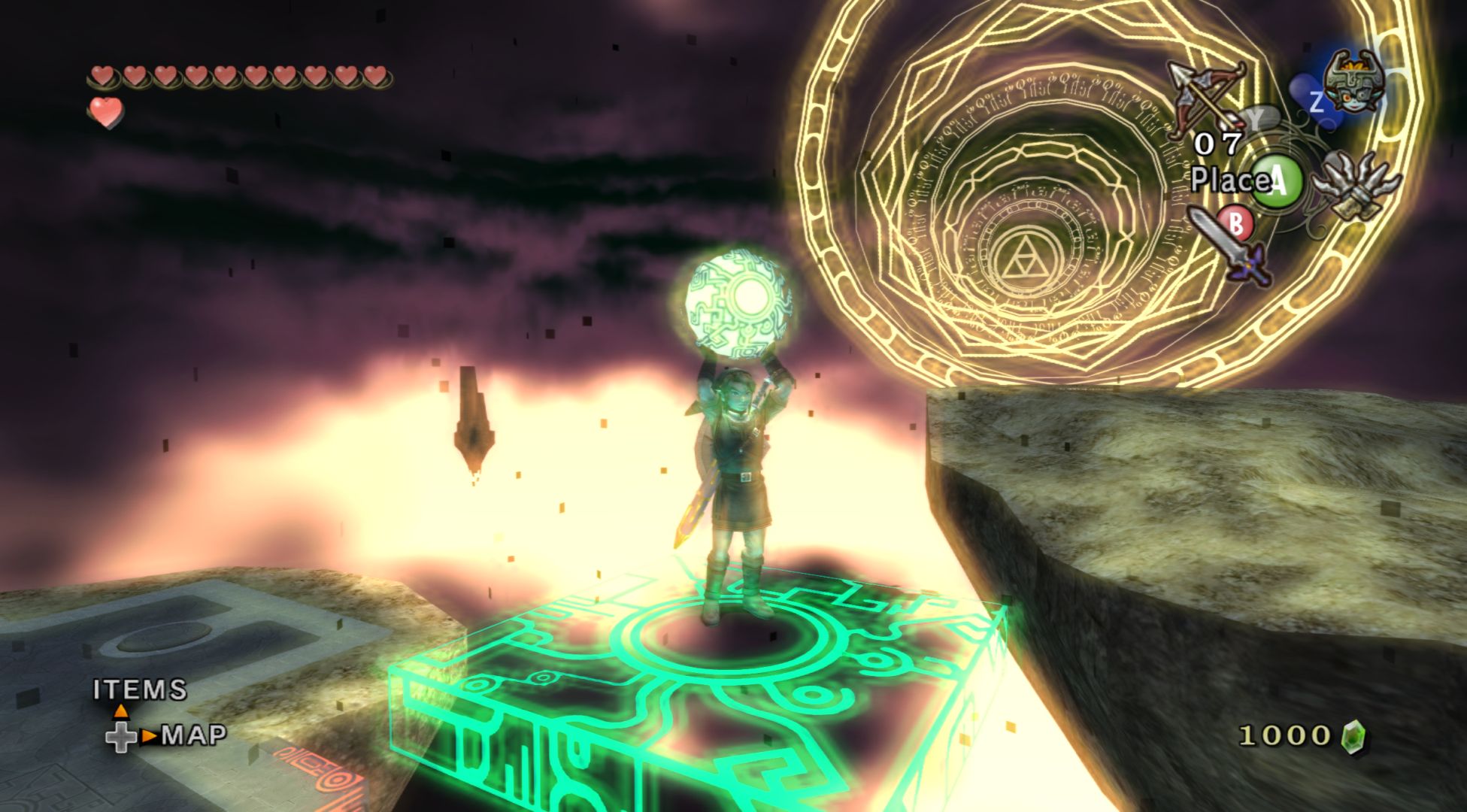
However, because of this, the dungeons in Twilight Princess are really where the game shines. The big focus on each dungeon’s key item leads to some really creative puzzles with them, as well as the hints towards the item as you see the obstacles you need to overcome as you make it through. The dungeons also feel more like they’re part of the world than any other dungeon, with many feeling like part of the world rather than just a trial (and the ones that are trials still make a lot of sense). They truly are wonderfully done, and they gel with the rest of the world as well as telling their own story in their design.
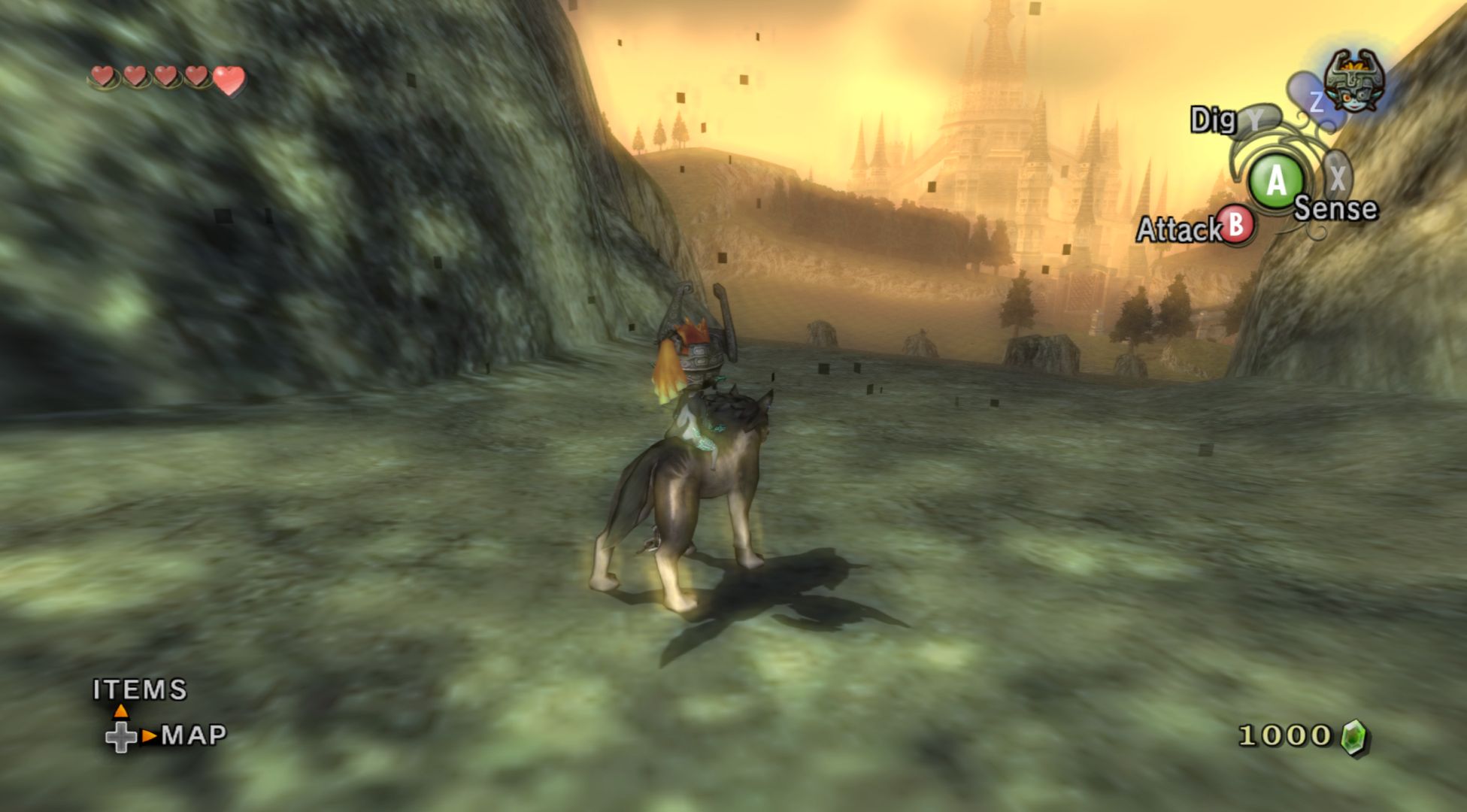
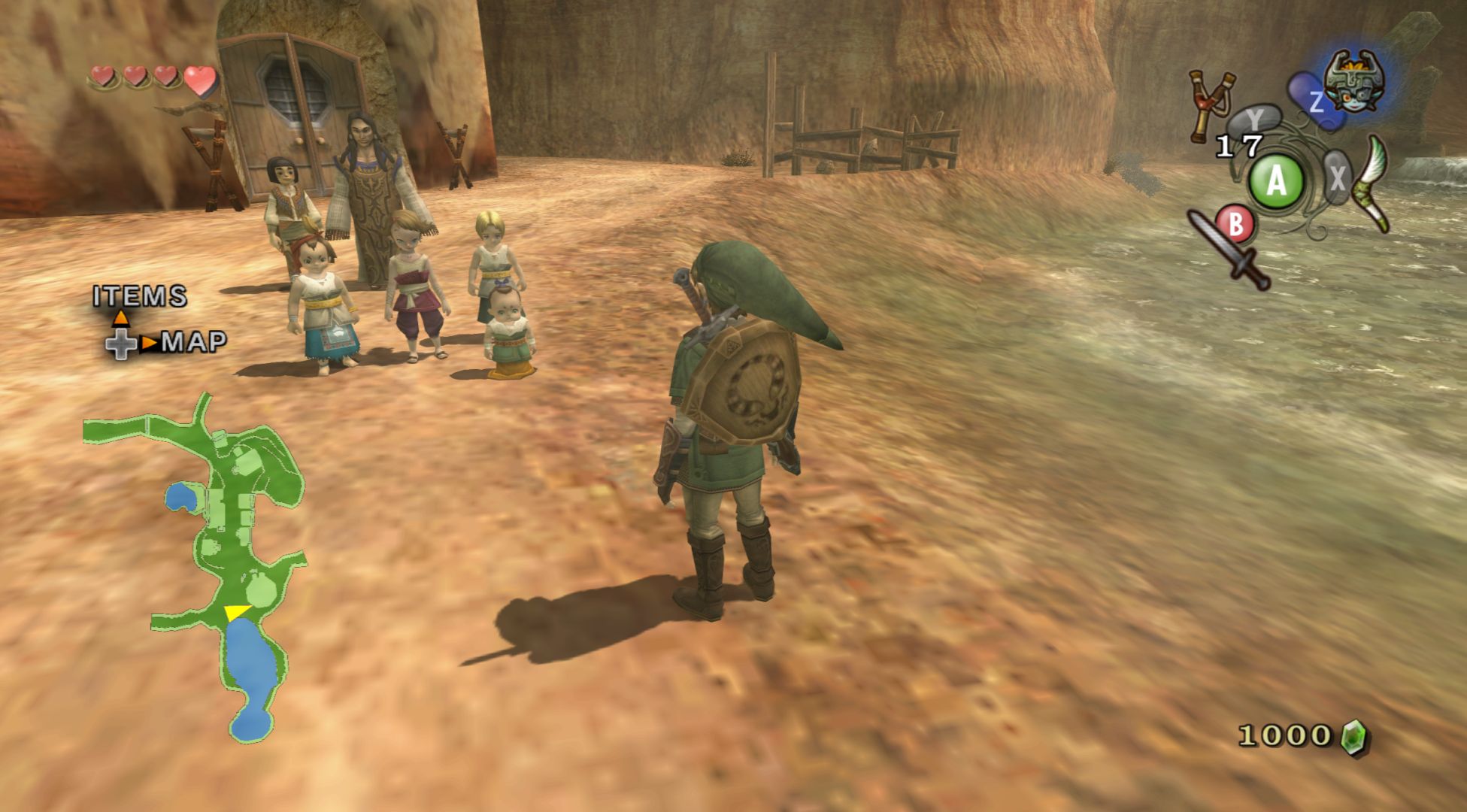
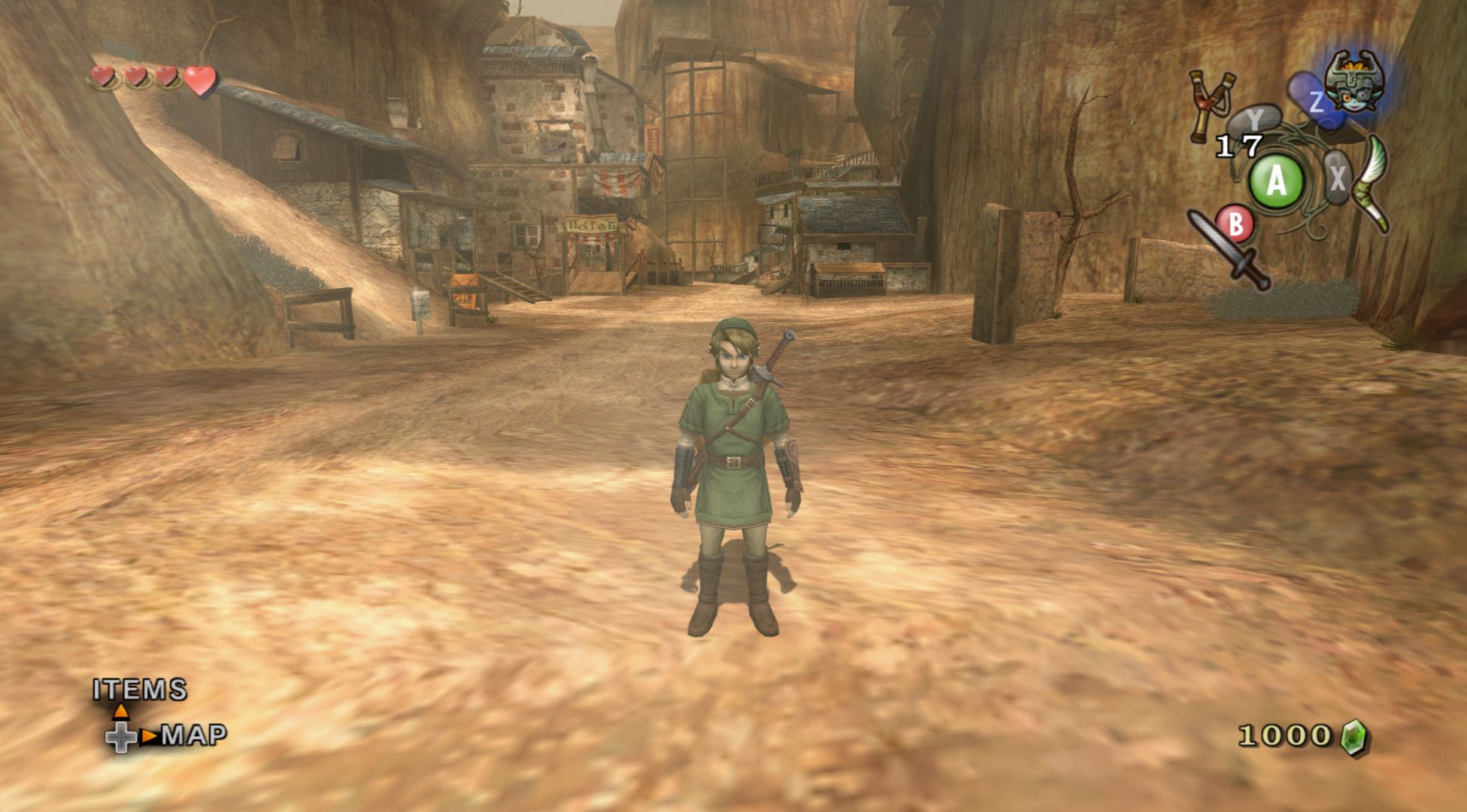
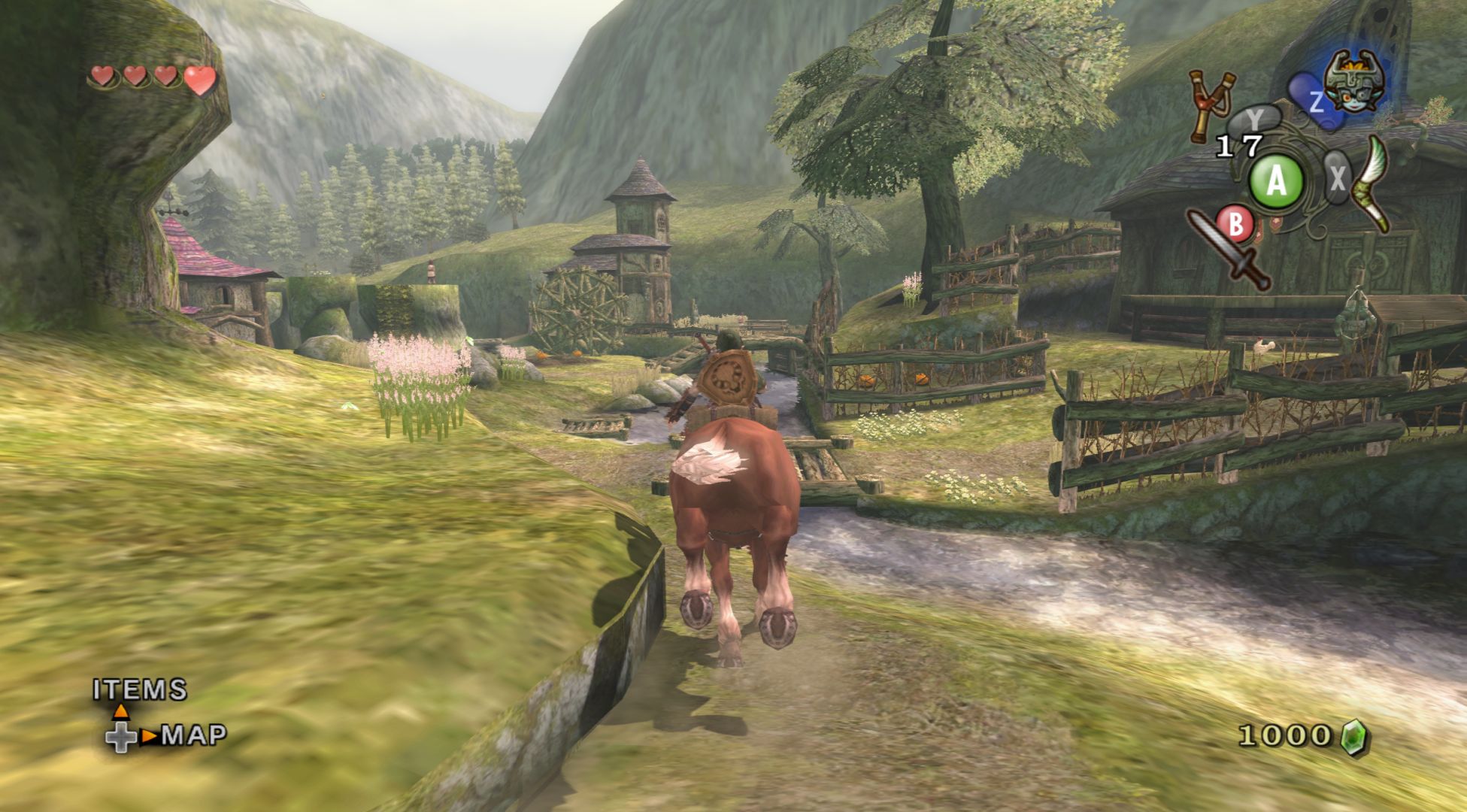
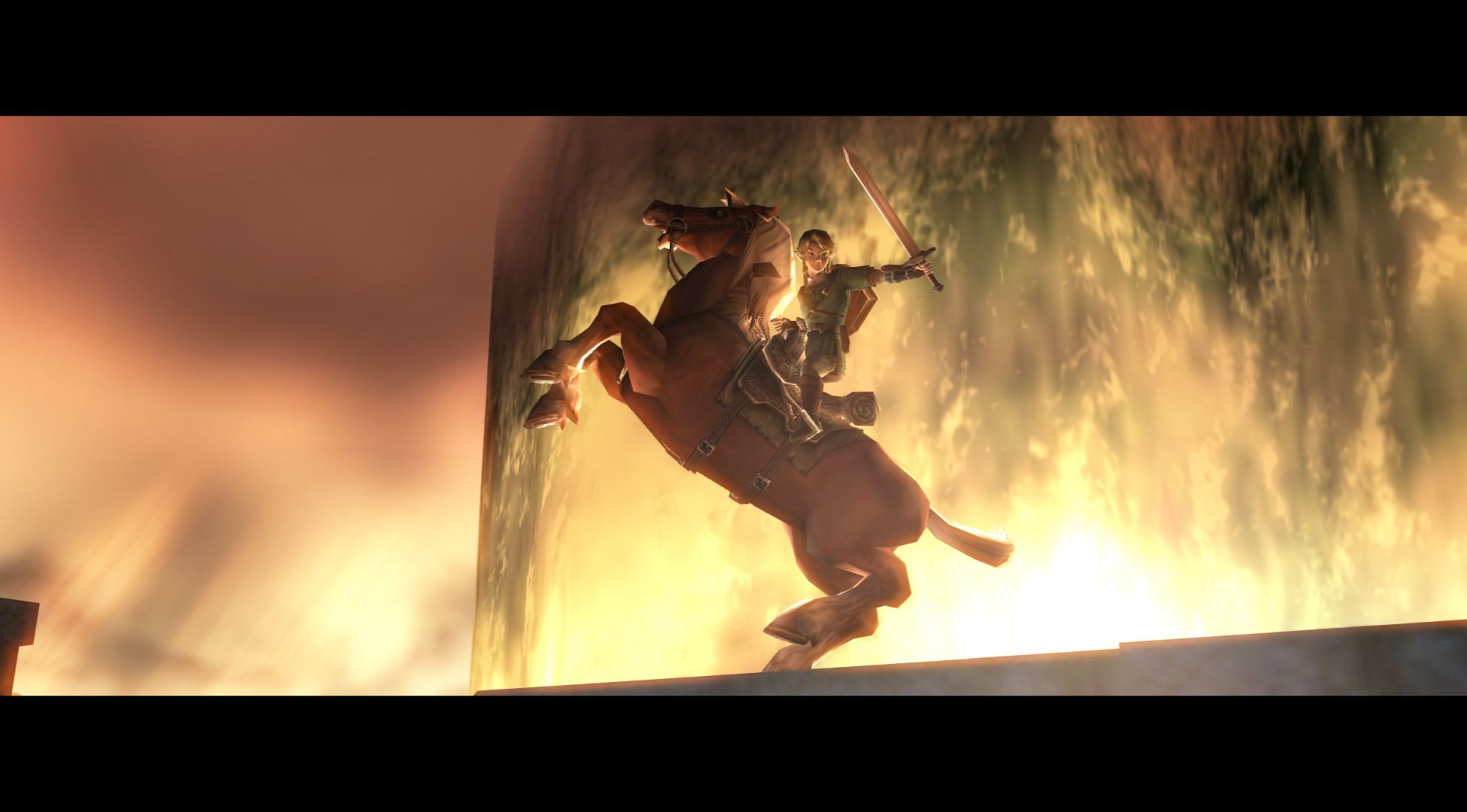
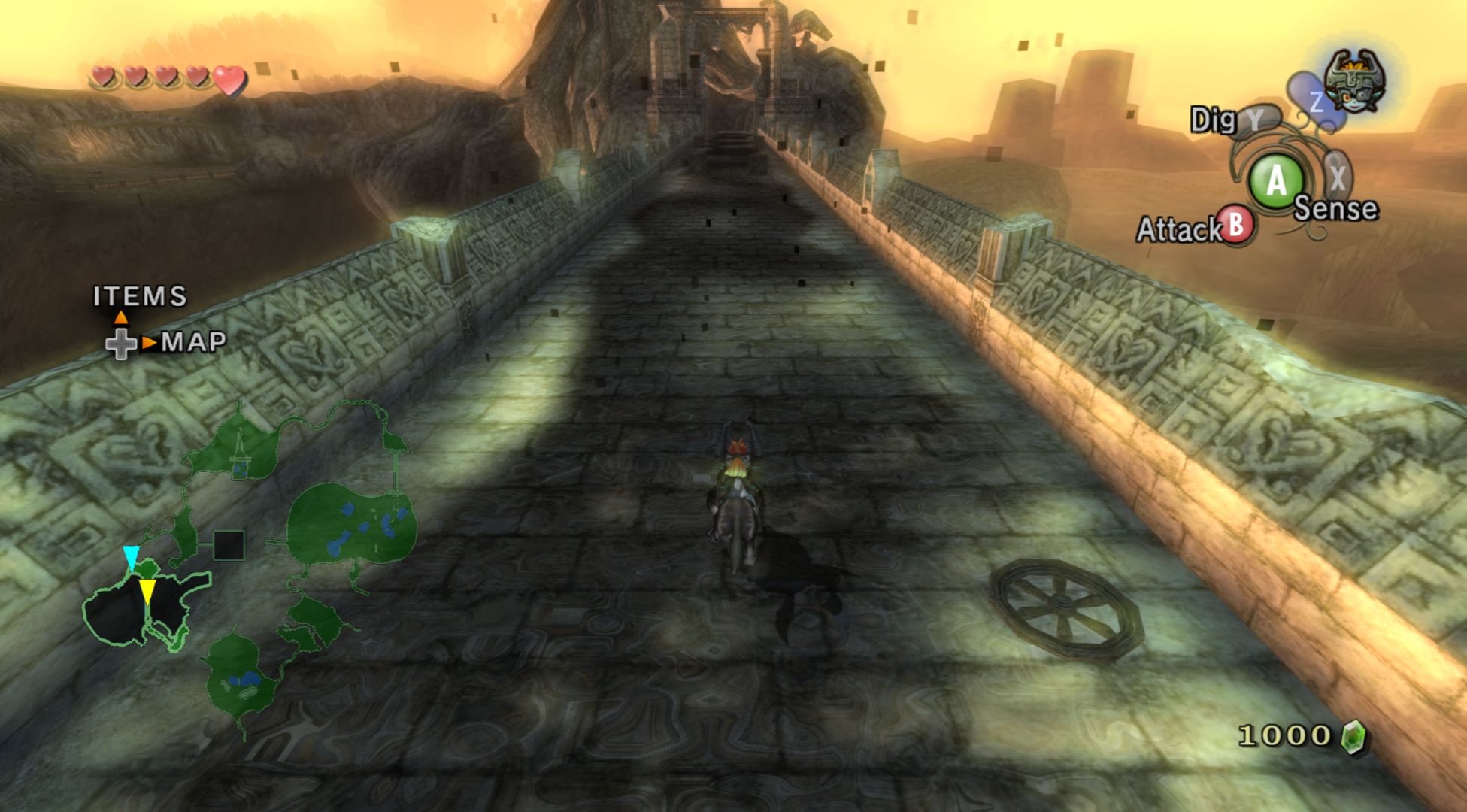
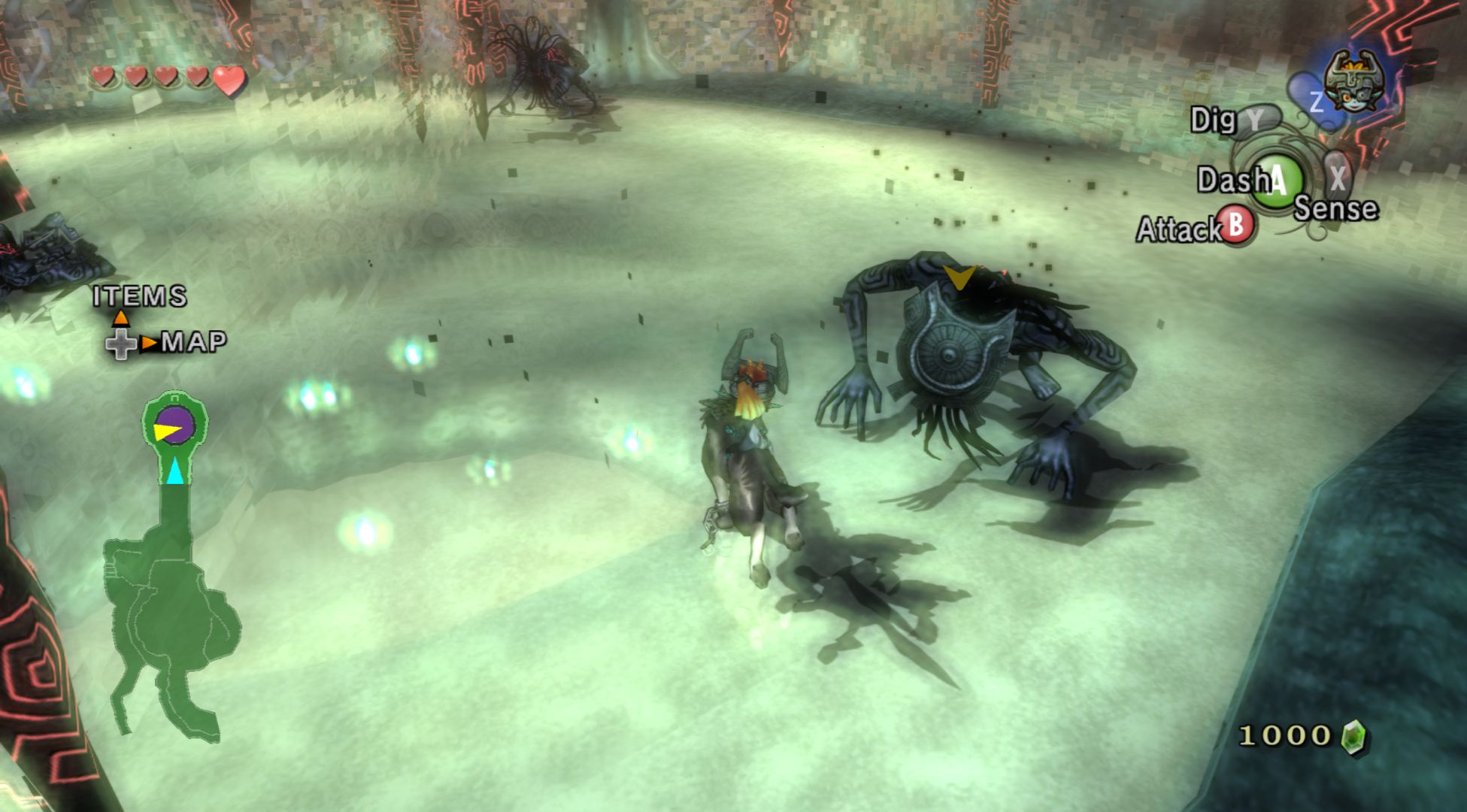
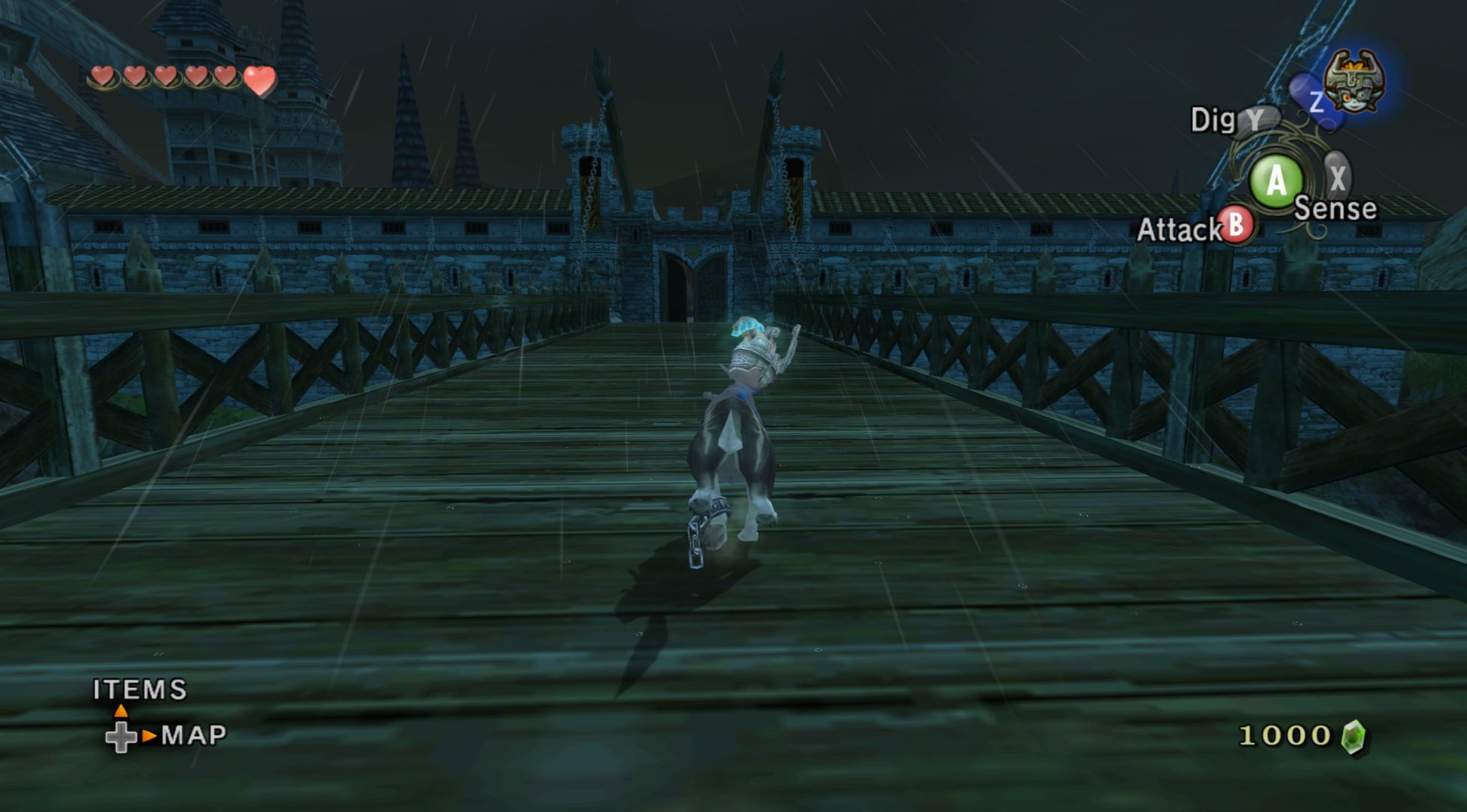
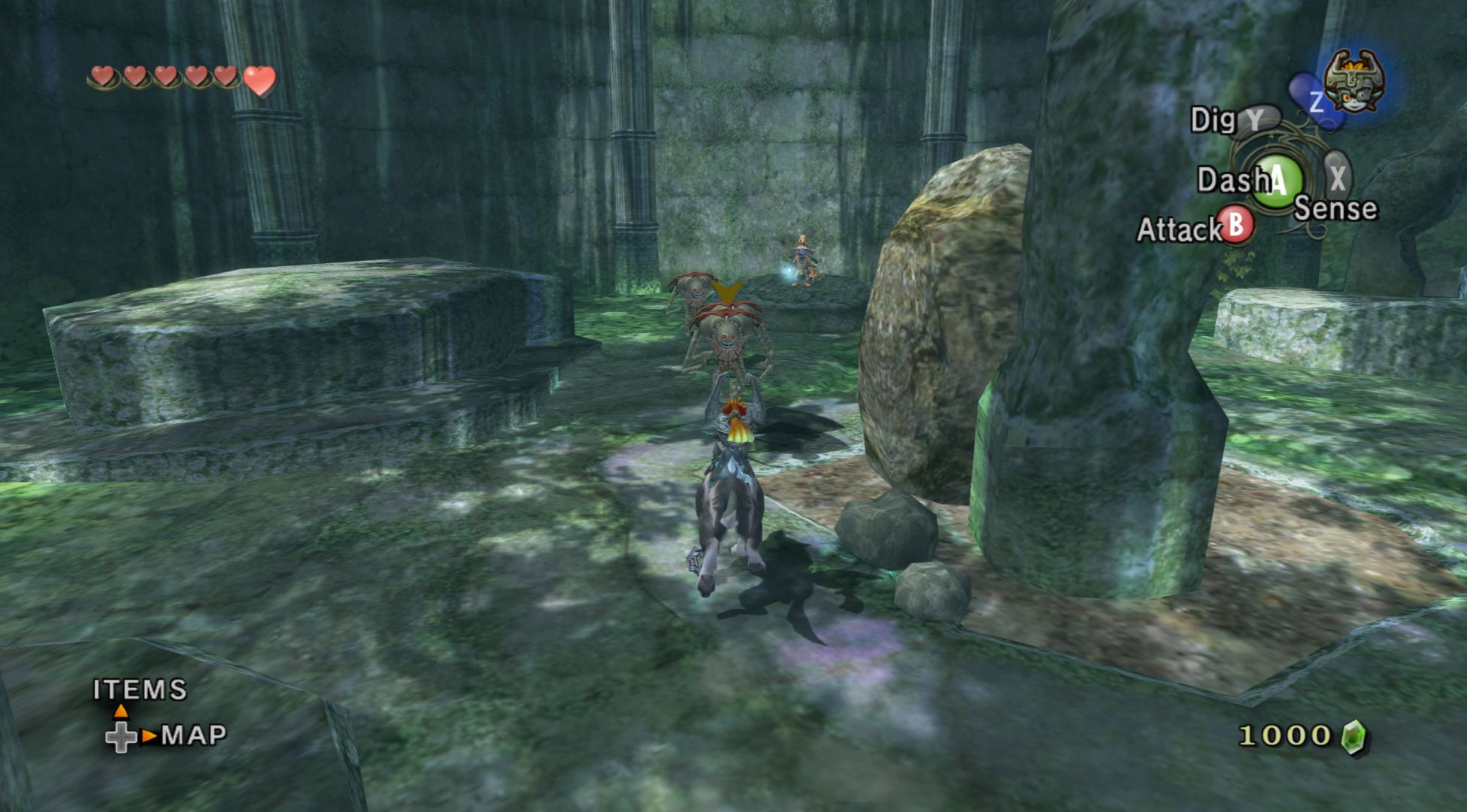
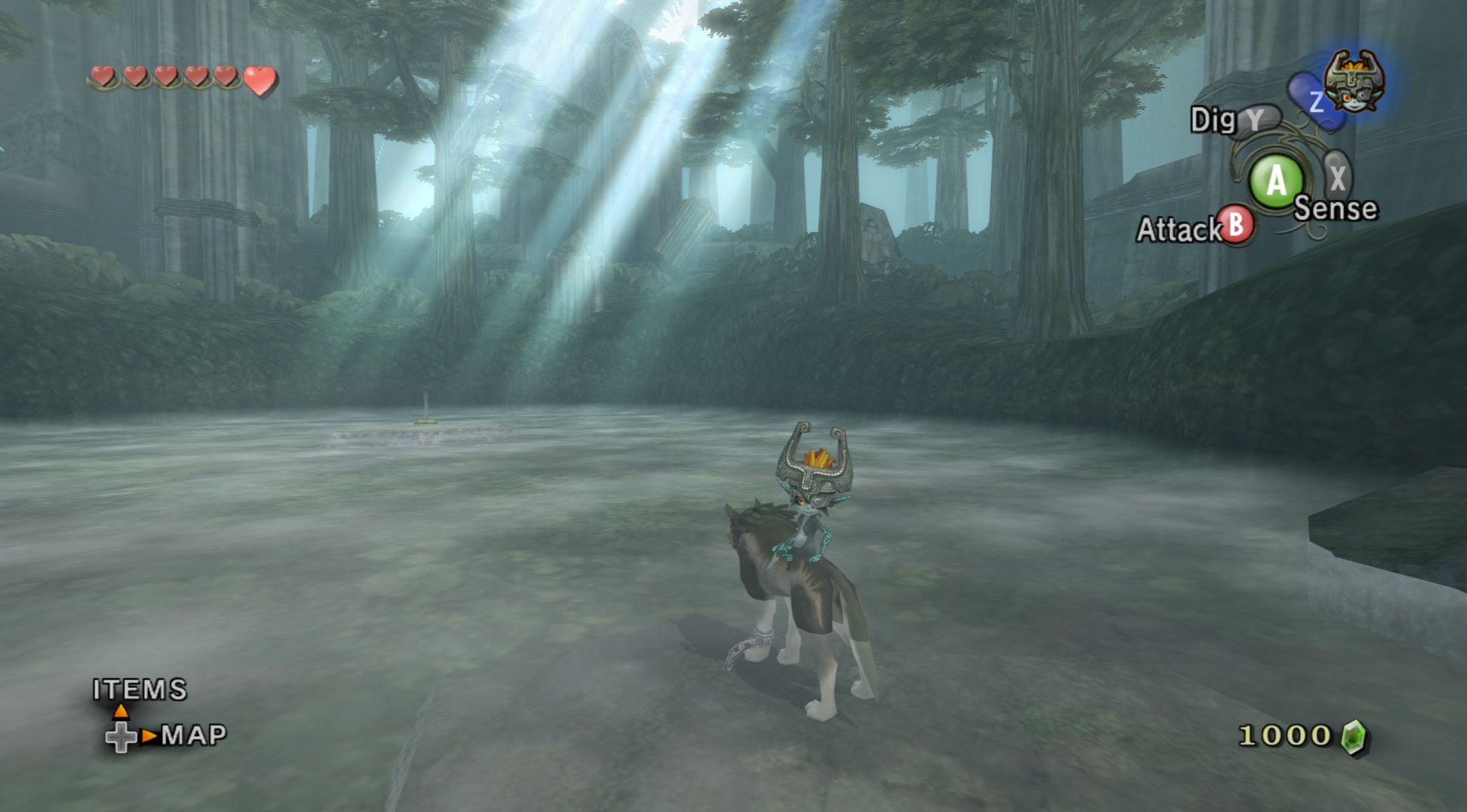
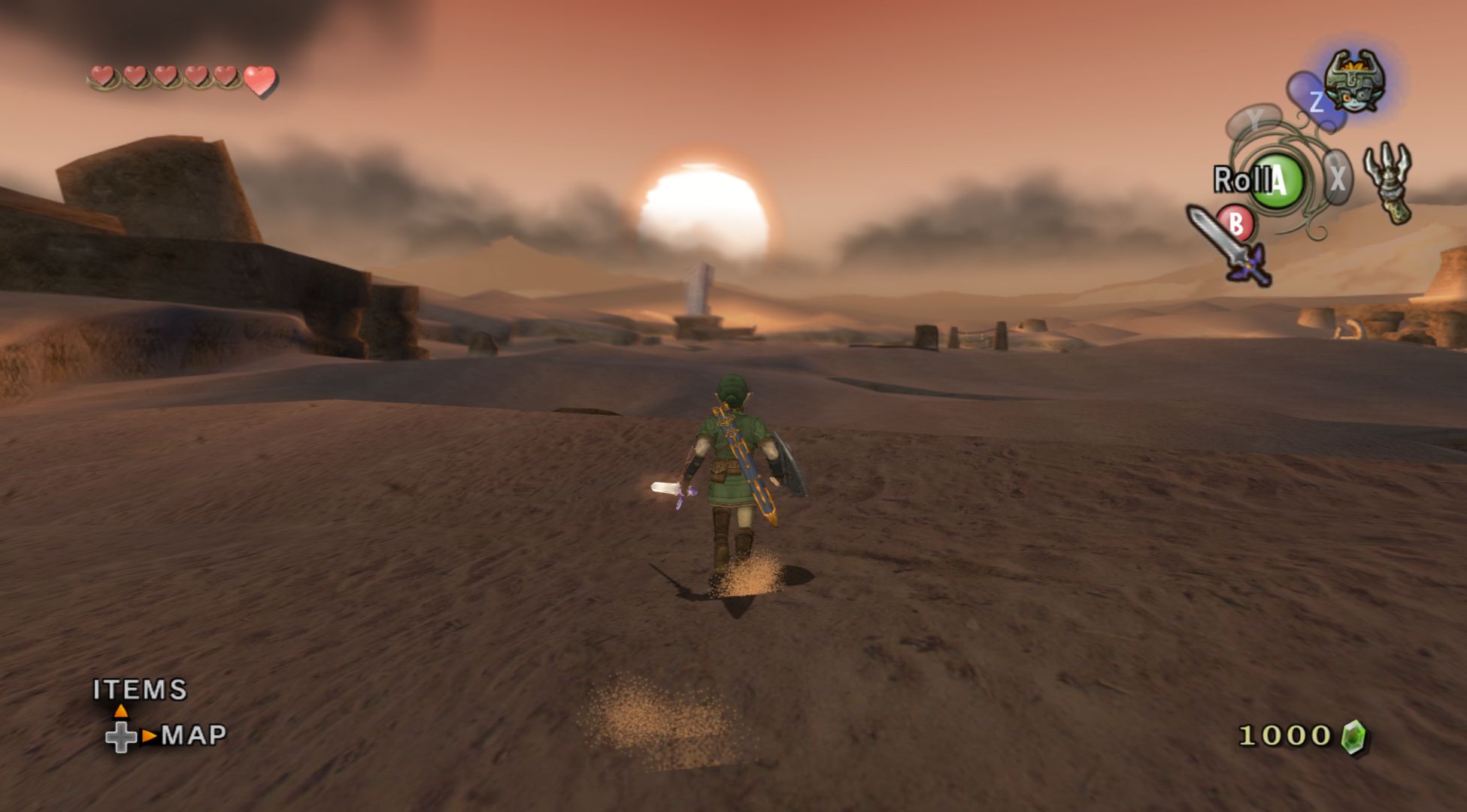
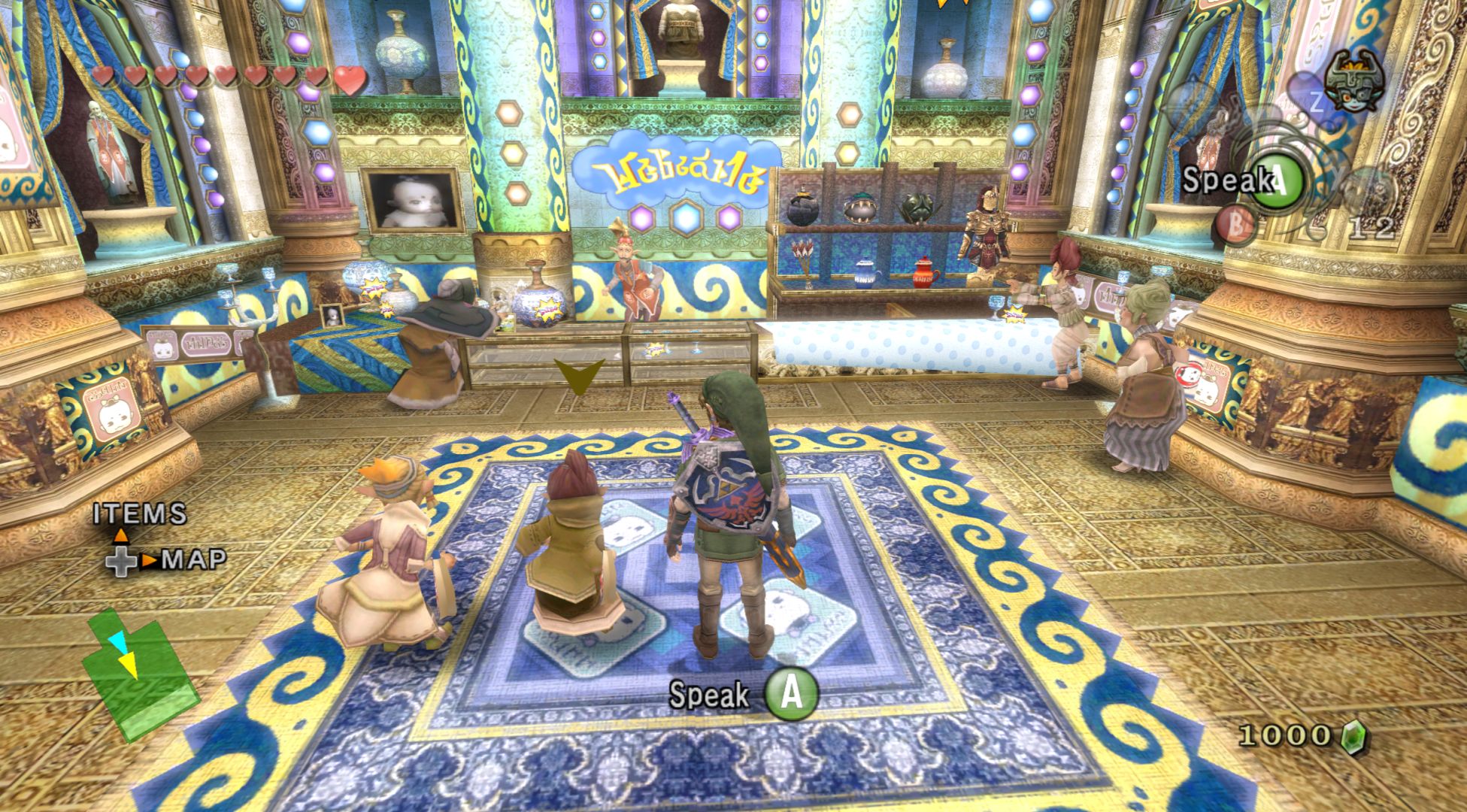
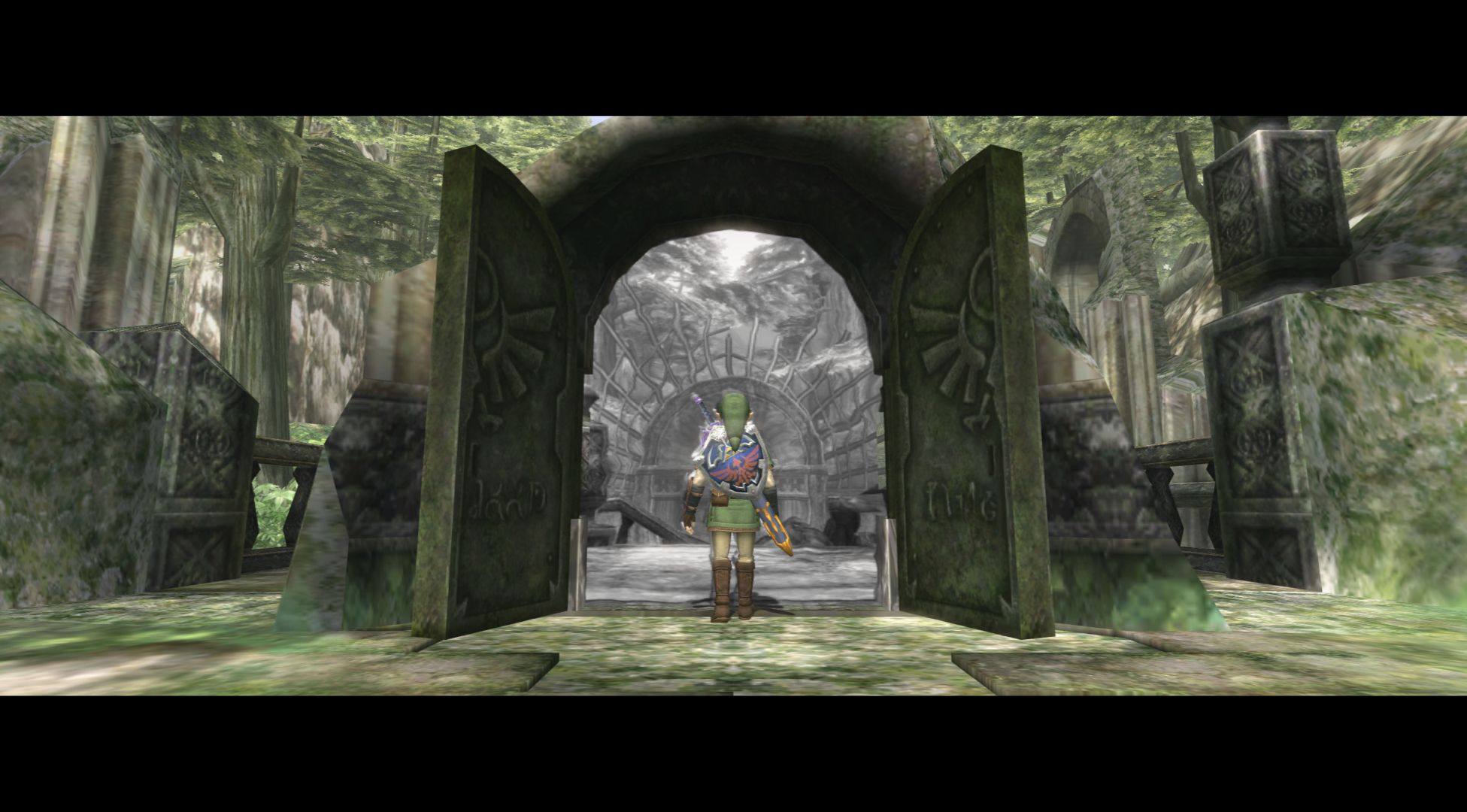
The story involves Link, who works at a ranch in a small village, but gets thrust into action when a few kids in the village (along with his best friend) get taken away. Link gives chase, but encounters a wall of dark energy – he gets pulled to the other side and is transformed into a wolf. In the cells of Hrule Castle, a mysterious imp called Midna decided to help him. In the world of Twilight, Link has to be in his wolf form and each area needs to be cleared by collecting Tears of Light to restore Hyrule and turn back into a human – although eventually you get to transform at will (well, as long as nobody is nearby).
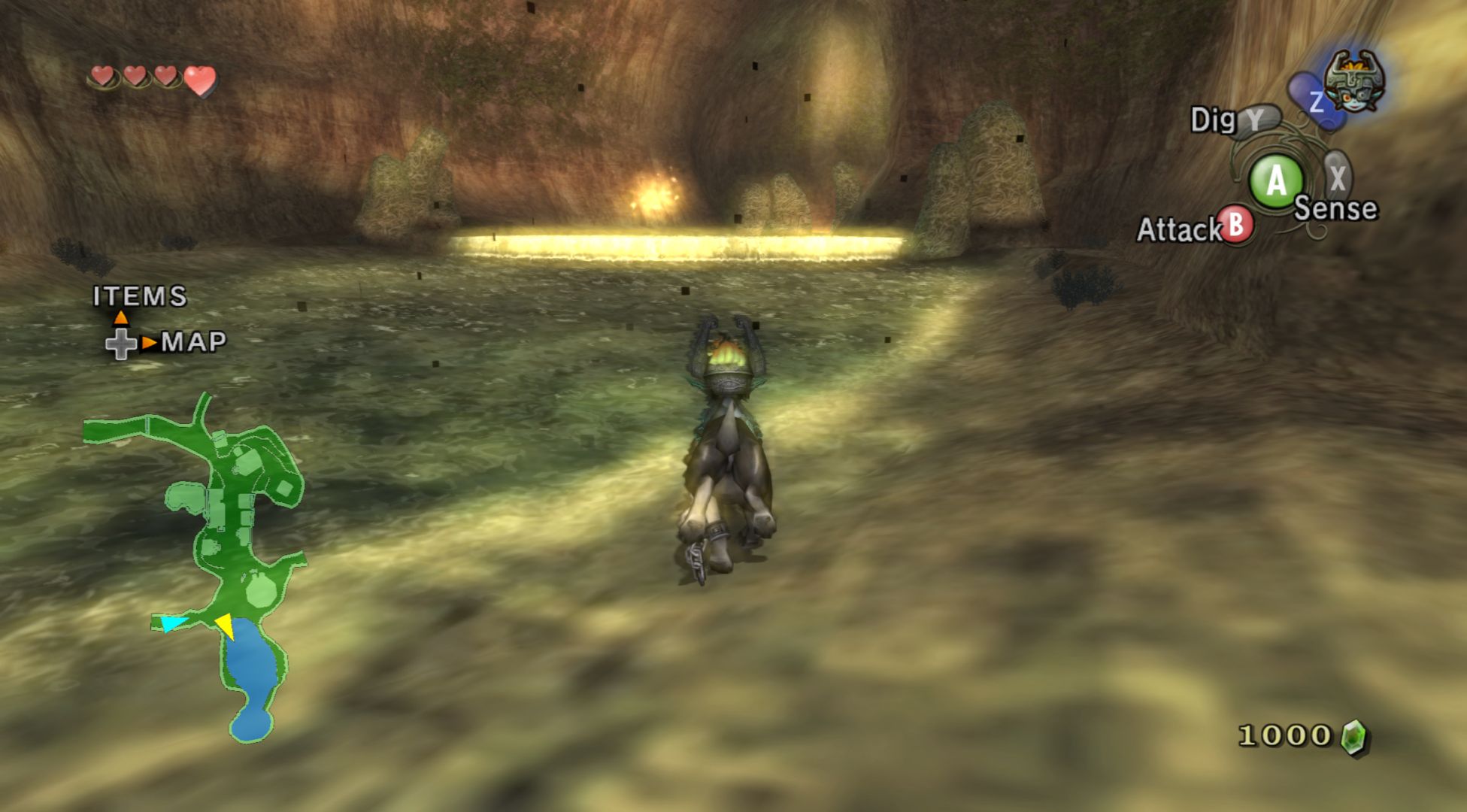
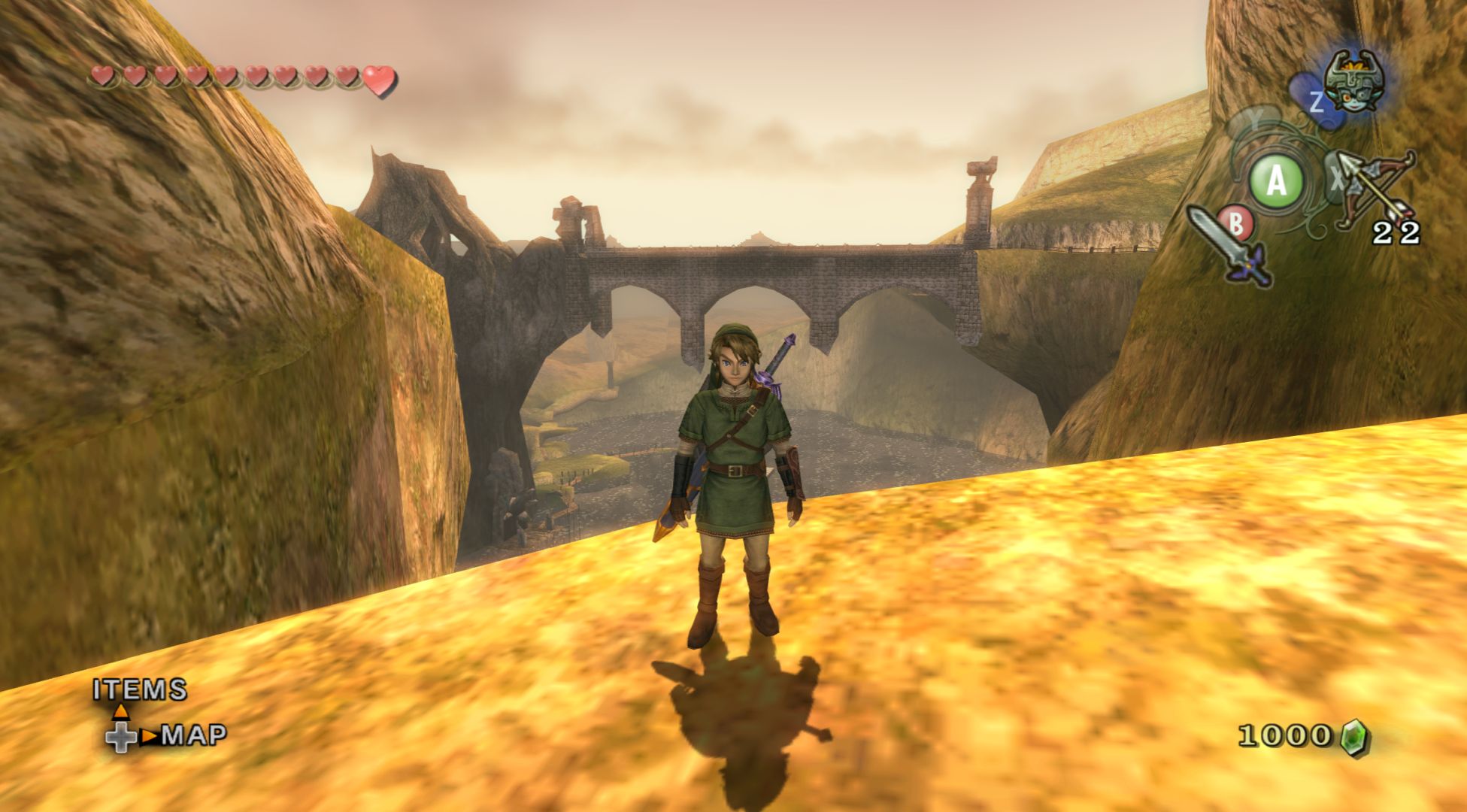
The tears of light sections are all rather tedious, as is the start of the game. While the early dungeons are still great, the whole start of the game is mostly dark (the first time you see most areas are a gloomy bloom-filled dark version of then). Once you get past this, the game feels much more open and satisfying, with some great characters and moments. There’s one section where Midna gets injured and you have lovely piano music playing as you rush her somewhere to get help (the enemy encounter music still annoyingly interrupts this).
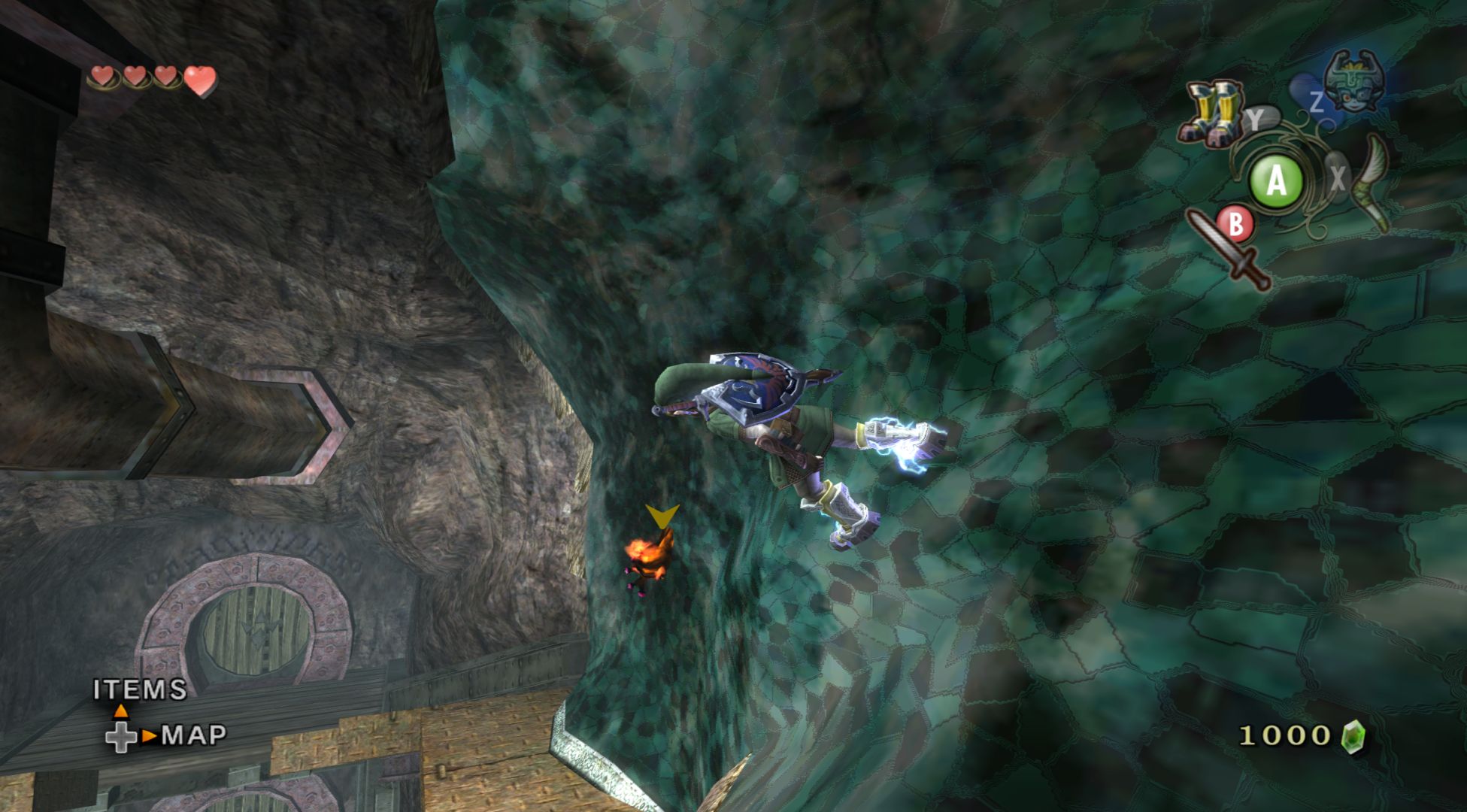
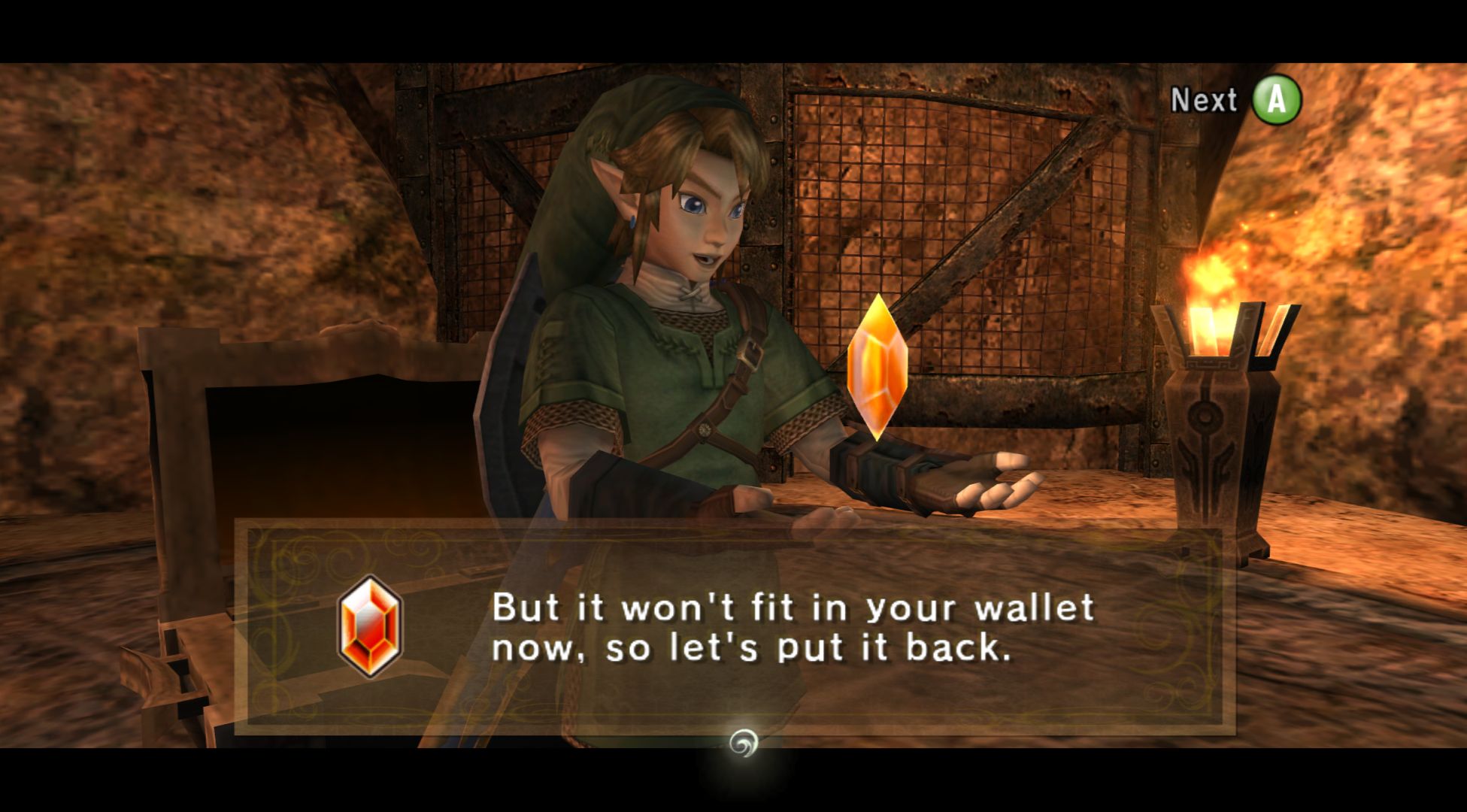
Twilight Princess is a game which has a lot of niggles – one that shouldn’t be that annoying yet drives me crazy is how Link returns rupees to chests when his wallet doesn’t have enough space – yet the overall experience is great. While items aren’t used constantly once you find them (the Iron Boots are probably the most versatile item), the way they’re initially used is still spectacular and creates some fantastic moments. The story – particular Midna herself – is also fascinating and you want to keep finding out more about what is going on. It’s a special game.

Fave
The only disappointment is that the first dungeon is the worst of the lot. But from there, it’s flawless. Superb new items are probably among the best we’ve ever seen in Zelda. After the first three temples, Twilight Princess isn’t’ content to stick to the old grass/fire/water formula. And working through the puzzle is like having the insides of a clockwork pocketwatch explained to you: your understanding of the way the developers’ minds works seems to blossom, in a genuinely spine-tingling way.
Mark Green, NGamer Magazine #5 (Wii Review)
Remake or remaster?
The Wii U version of the game solves a lot of the niggling issues, and shortens the start of the game slightly. It even solves the rupee chest issue and even replaces some of them with collectible stamps that, while useless, made me want to hunt down every last one. There’s also an unofficial PC port with a lot of options as well.
Official Ways to get the game
There’s no official way to get The Legend of Zelda: Twilight Princess.

Europe

Japan
North America









GameCube Games by Date
2002: Jan, Feb, Mar, Apr, May, Jun, Jul, Aug, Sep, Oct, Nov, Dec
2003: Jan, Feb, Mar, Apr, May, Jun, Jul, Aug, Sep, Oct, Nov, Dec
2004: Jan, Feb, Mar, Apr, May, Jun, Jul, Aug, Sep, Oct, Nov, Dec
2005: Jan, Feb, Mar, Apr, May, Jun, Jul, Aug, Sep, Oct, Nov, Dec
2006: Jan, Feb, Mar, Apr, May, Jun, Jul, Aug, Sep, Oct, Nov, Dec