
Tragedy strikes a peaceful island, and the Legend of Zelda begins anew!
- JP release: 13th December 2002
- NA release: 24th March 2003
- EU release: 2nd May 2003
- Developer: Nintendo
- Publisher: Nintendo
- NGC Magazine: 97%
- Mods Used: Widescreen Code, Texture Pack
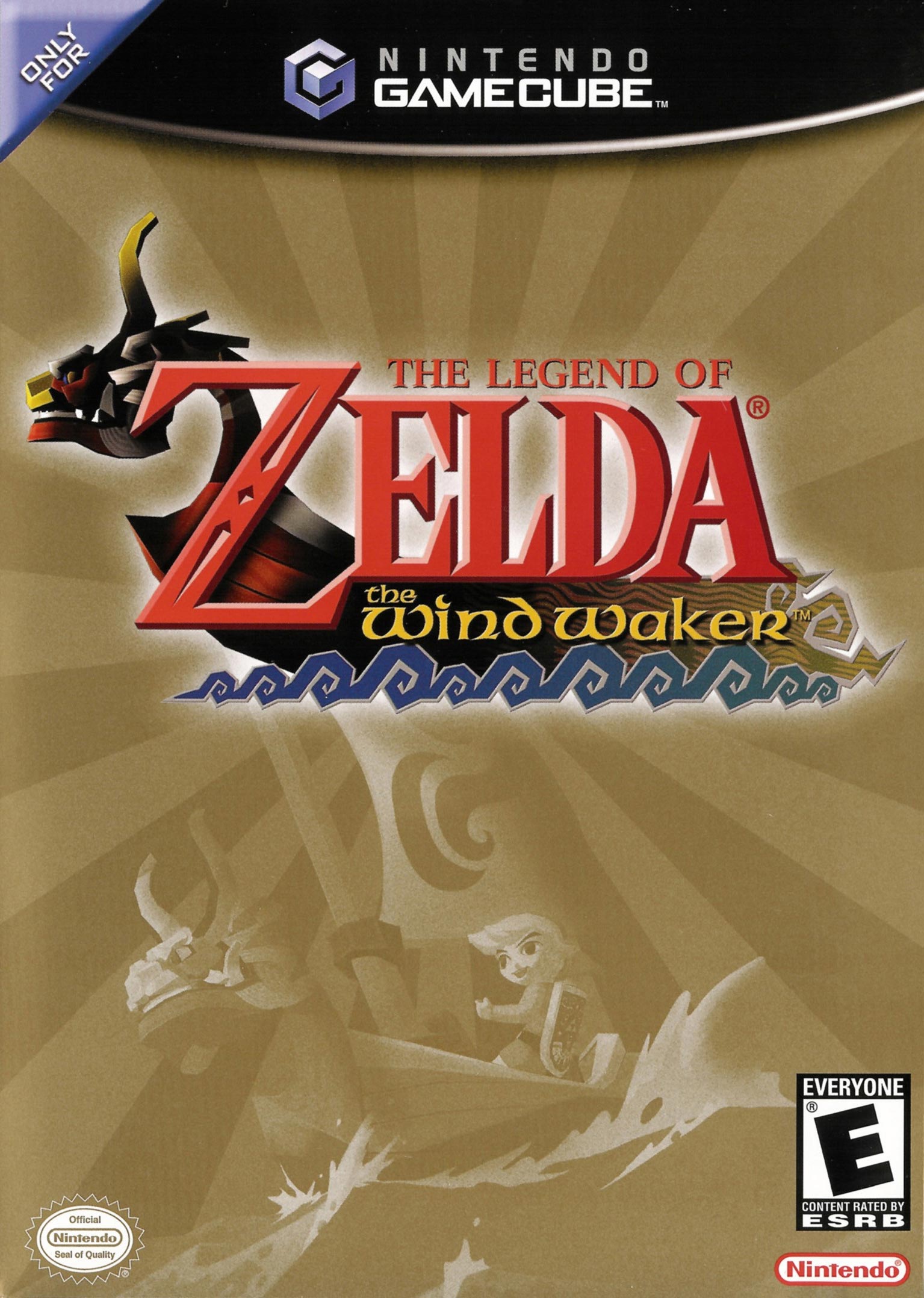
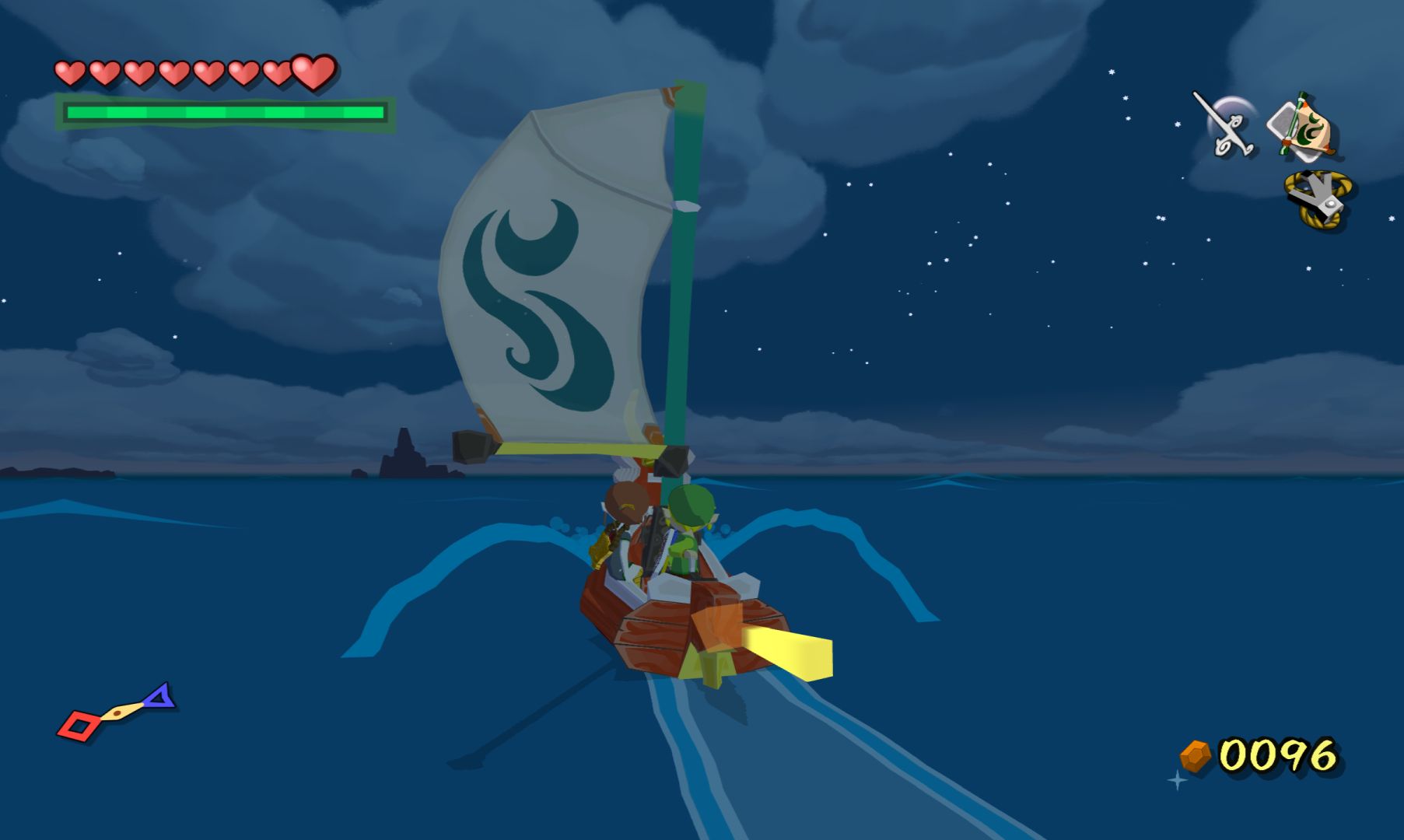
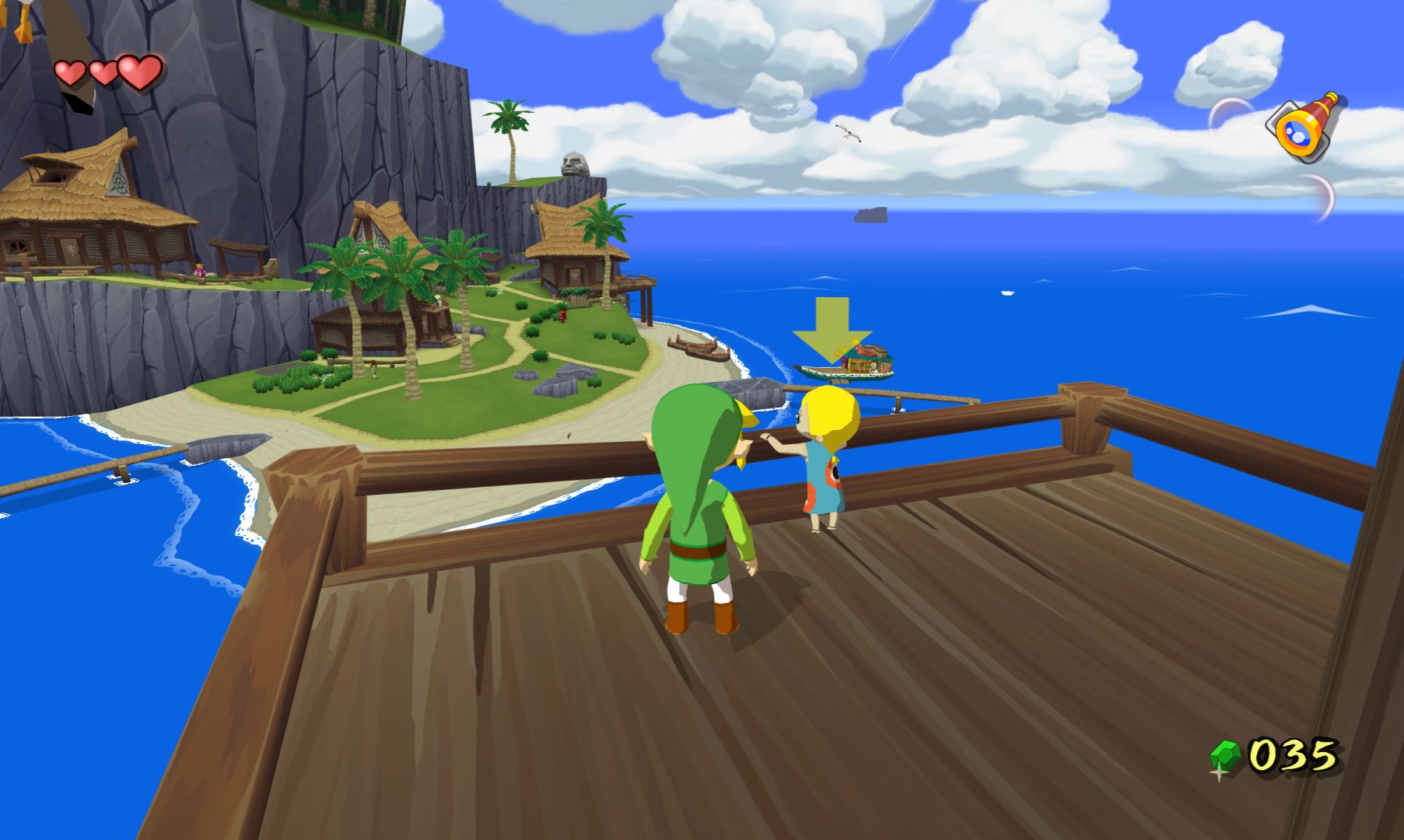
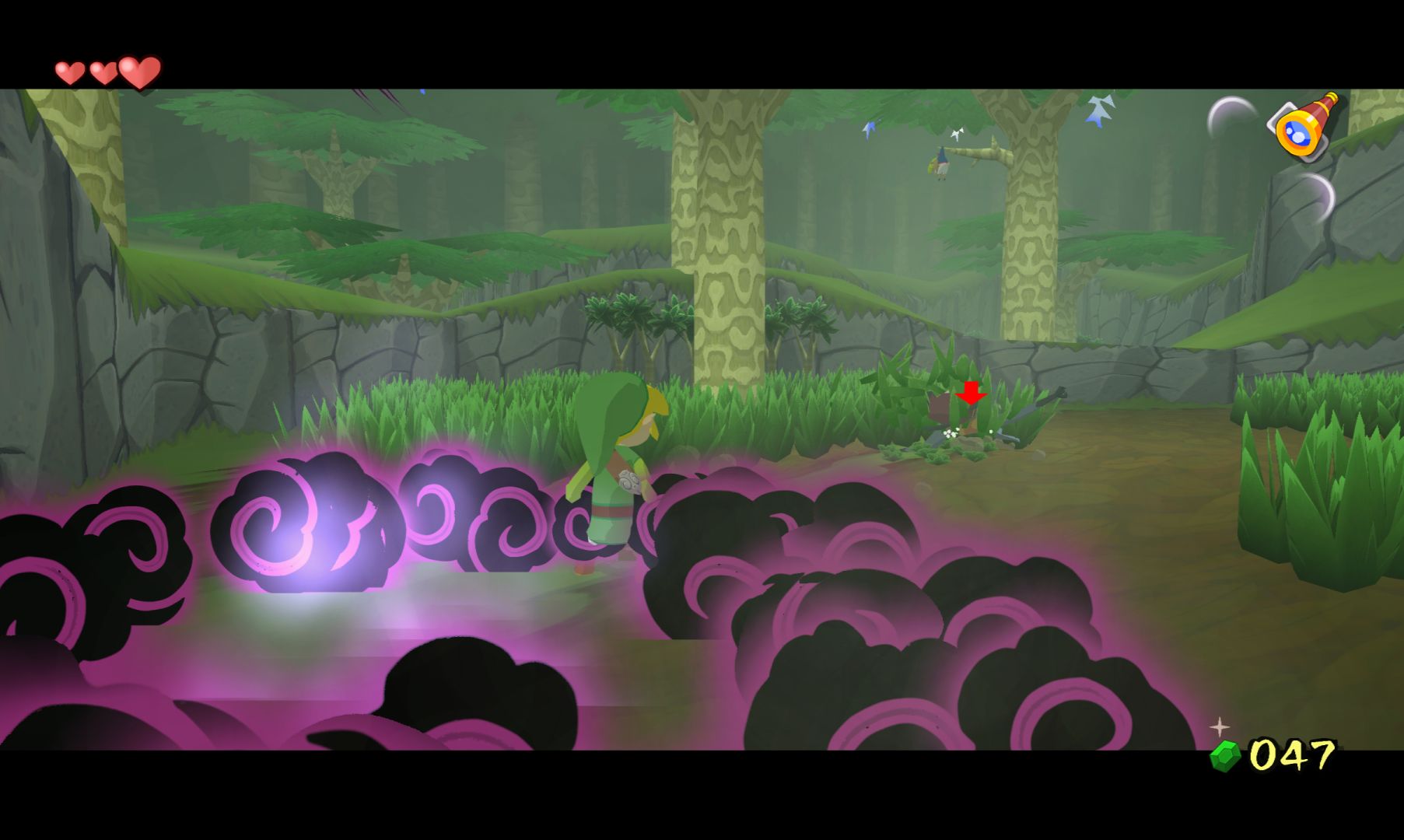
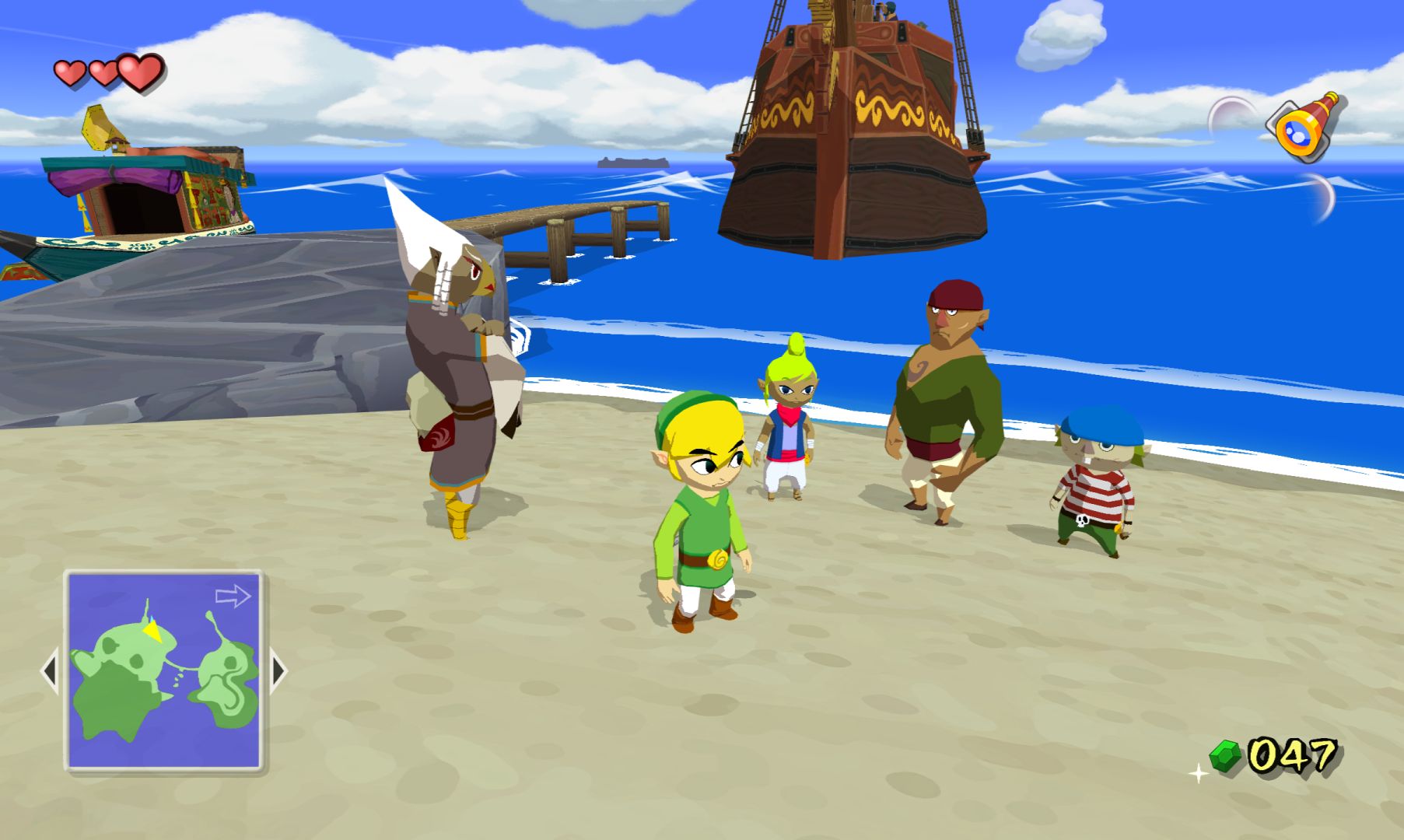
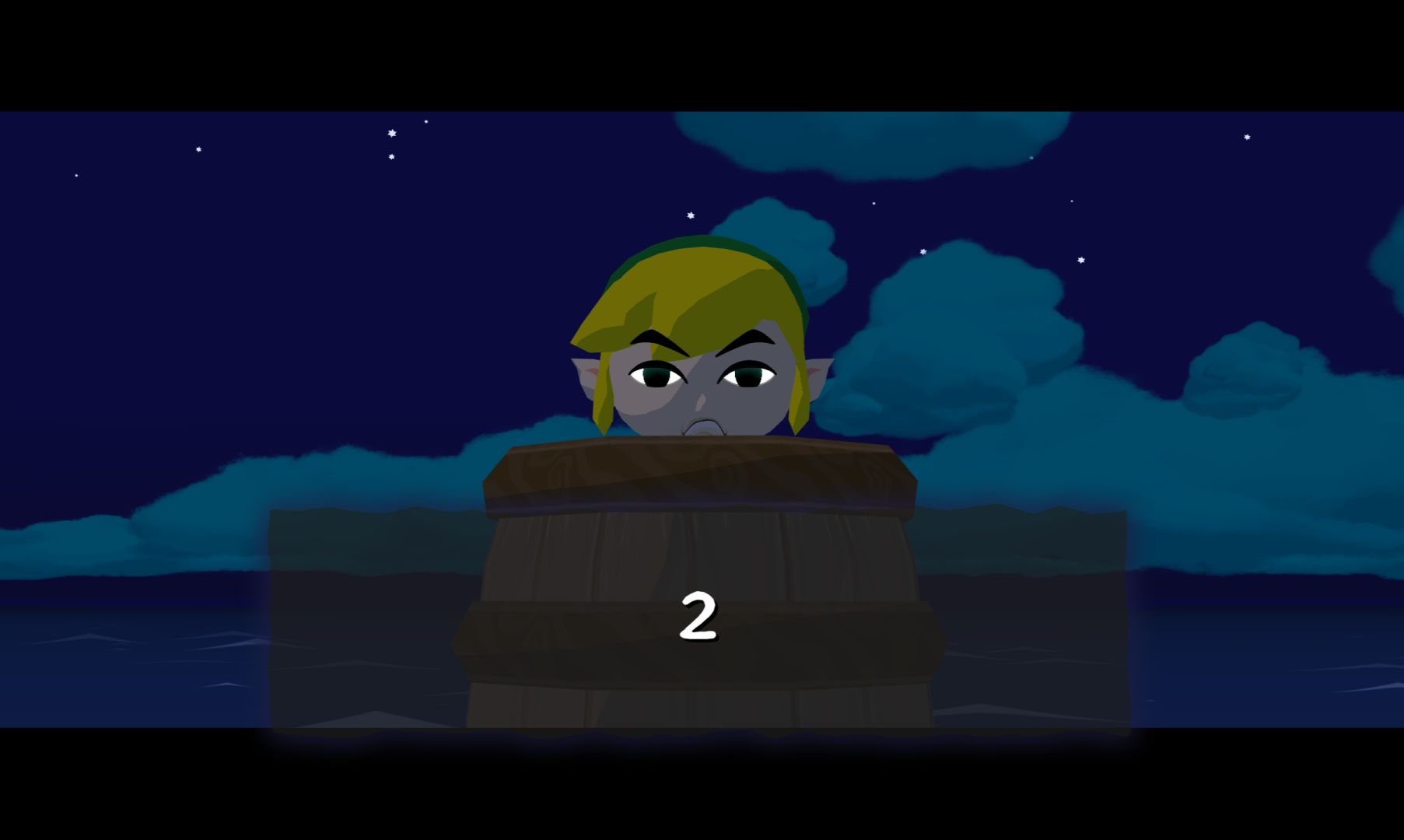
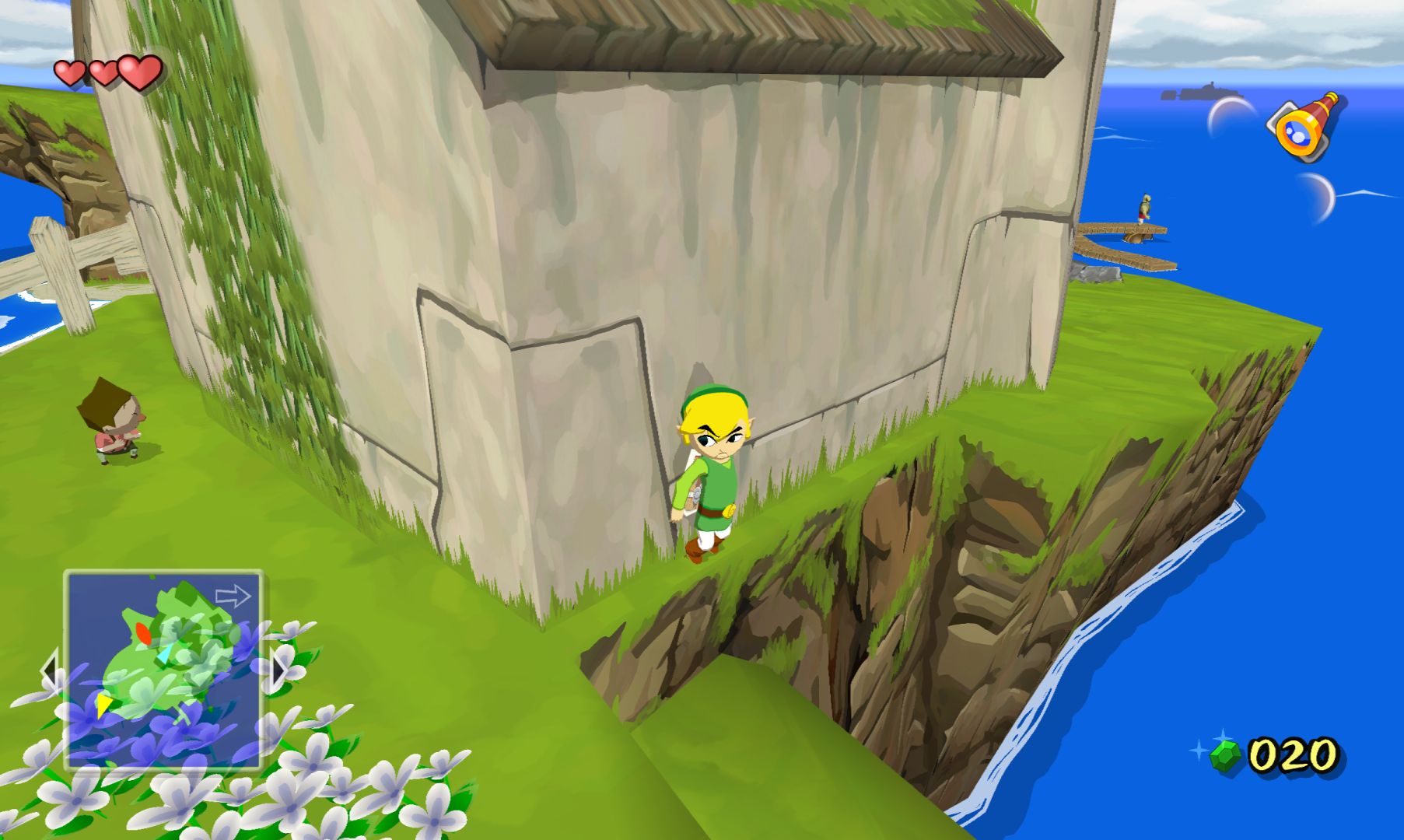
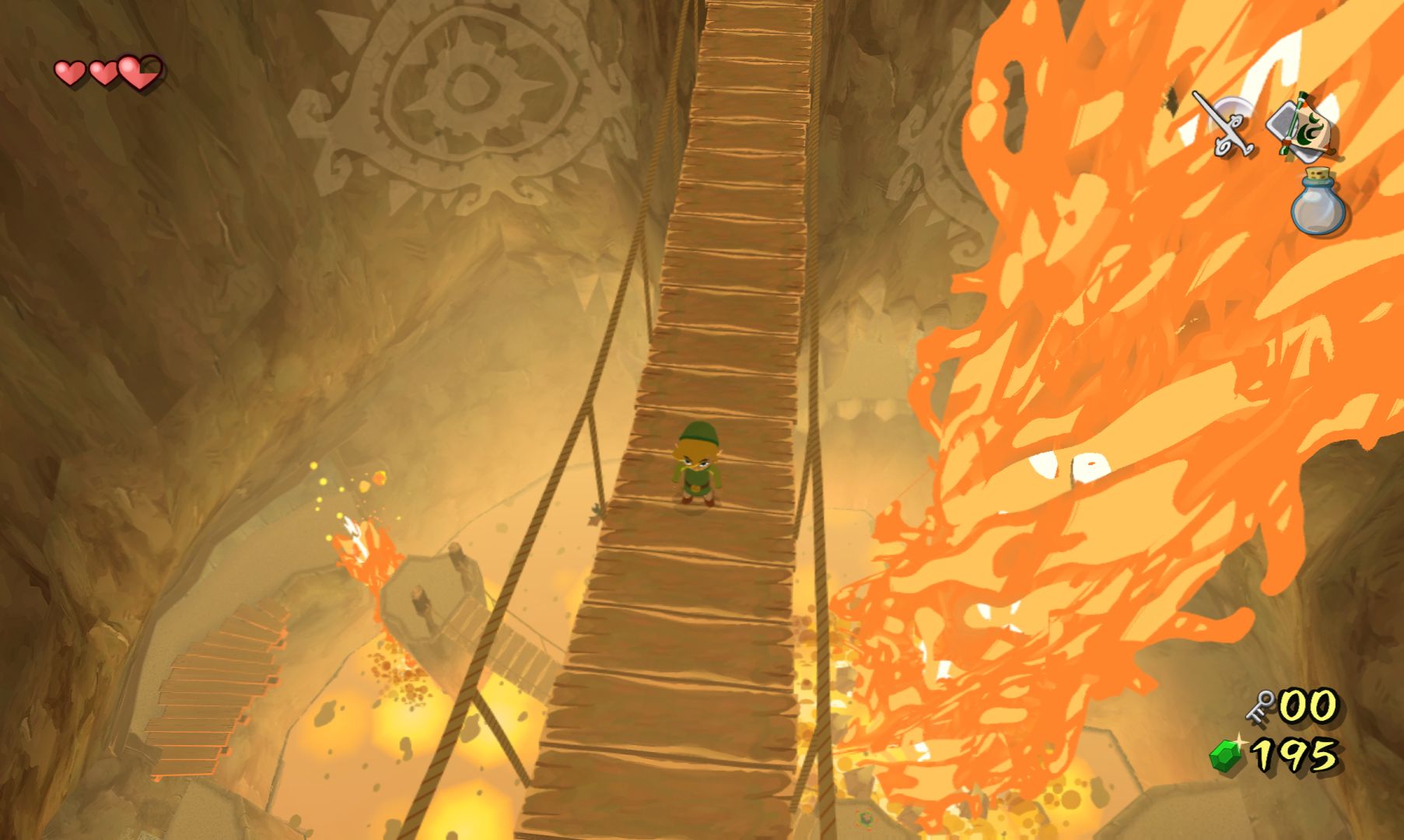
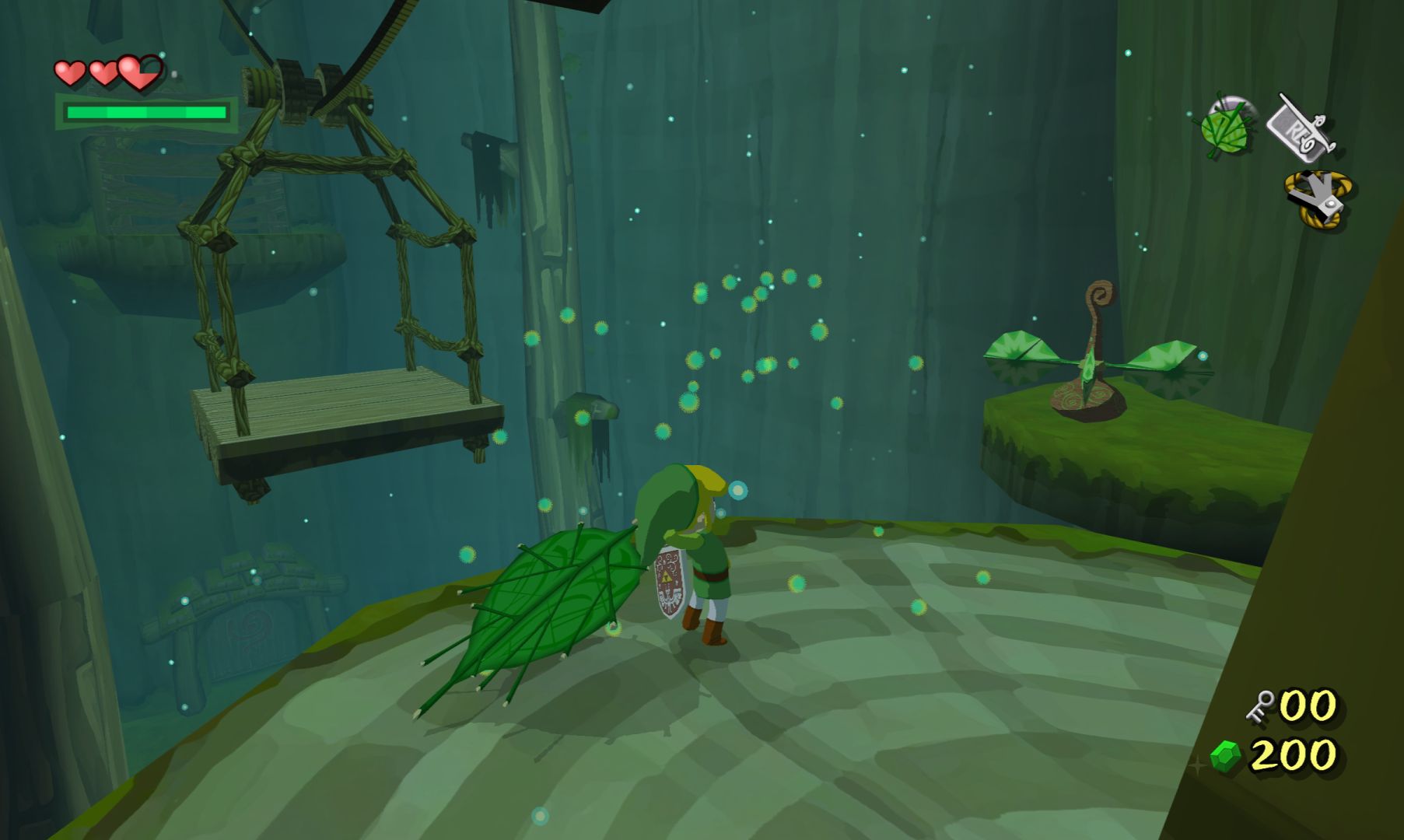
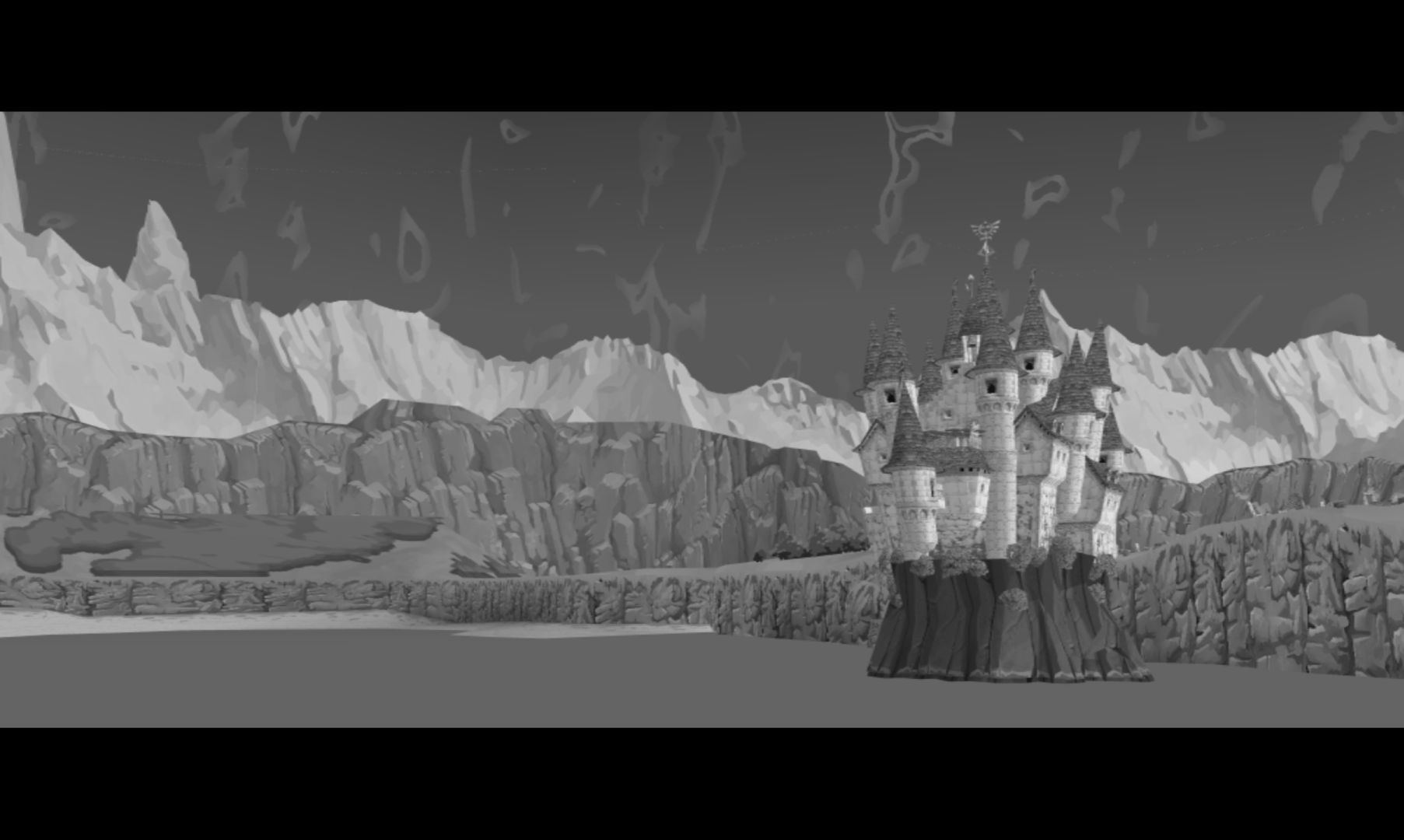
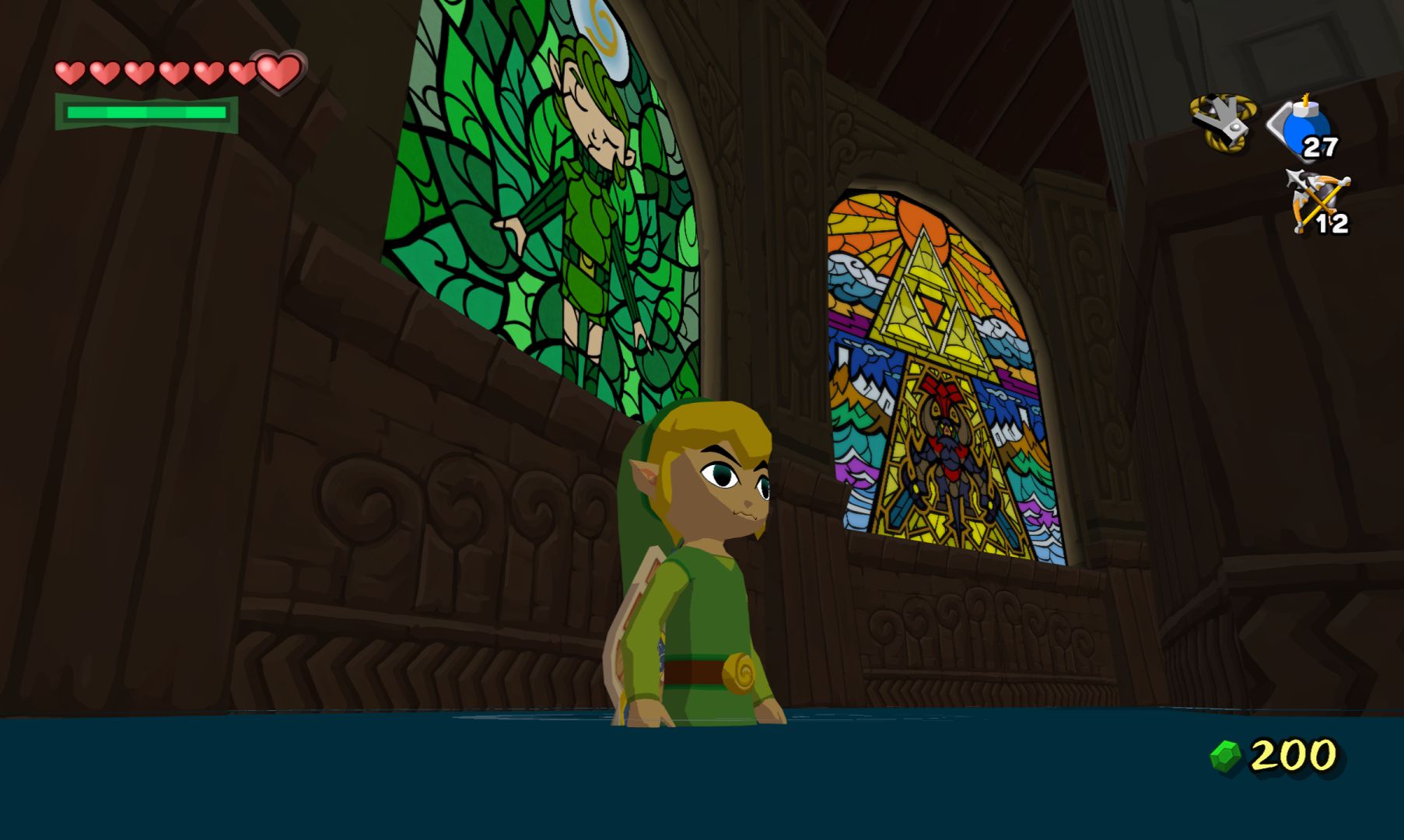
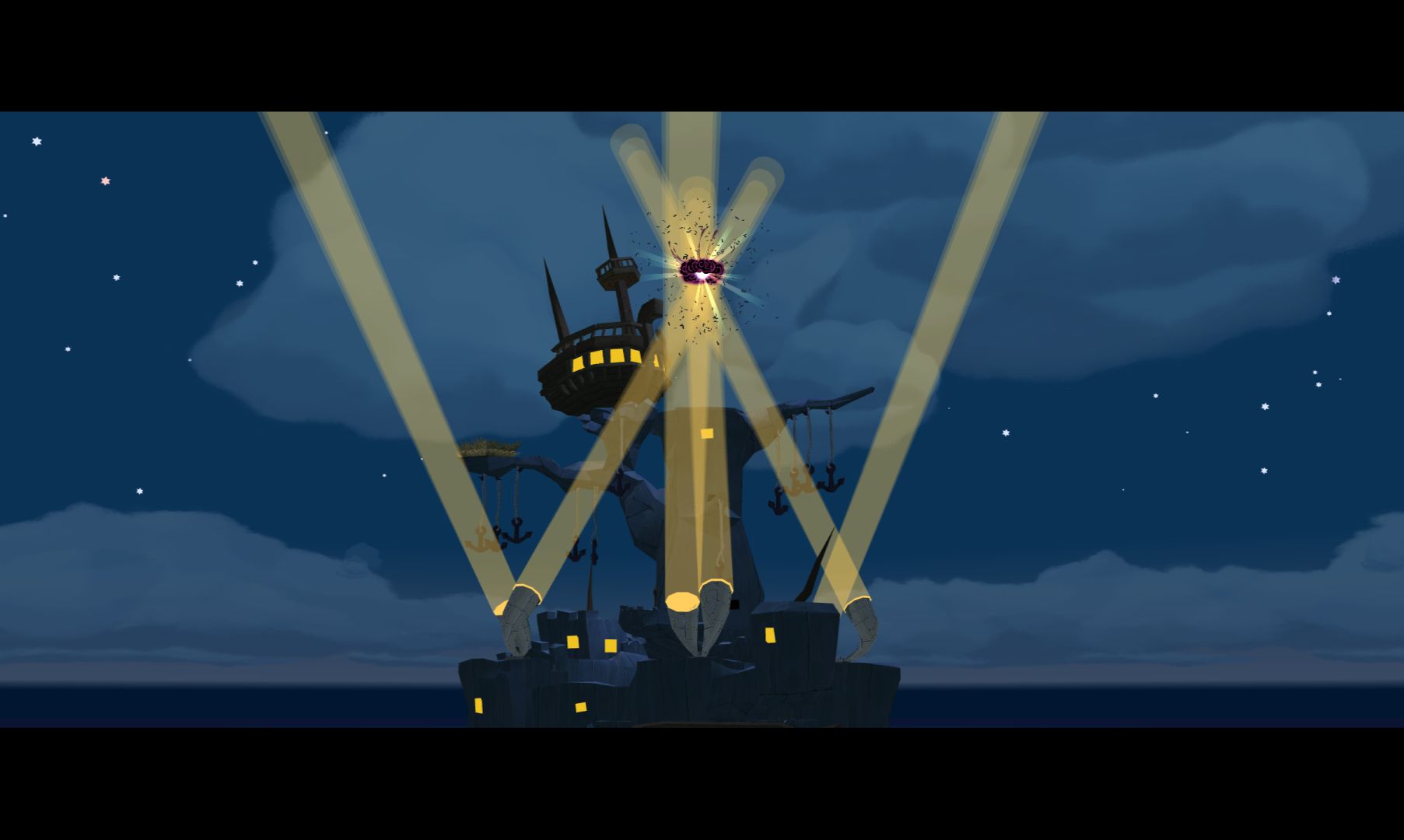
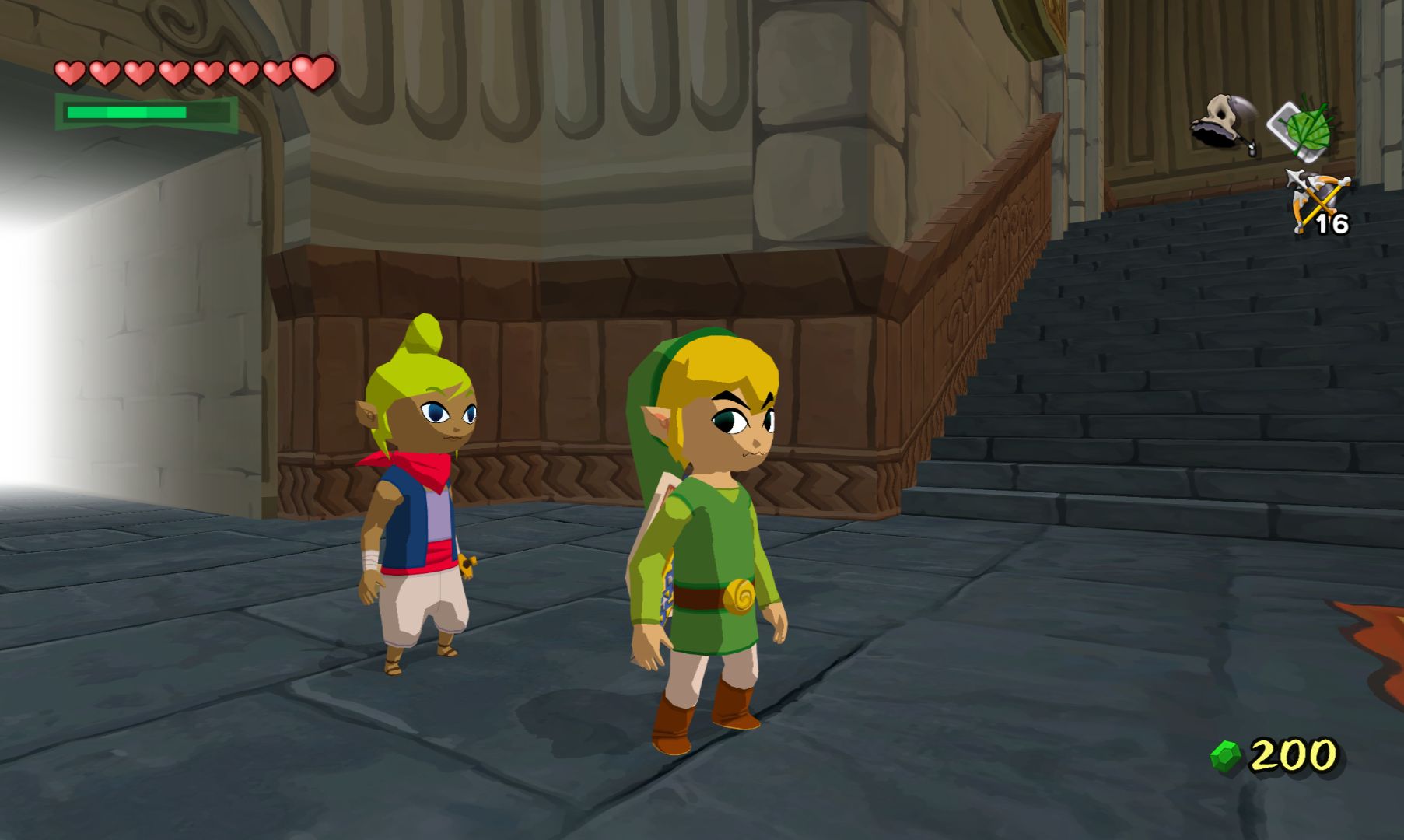
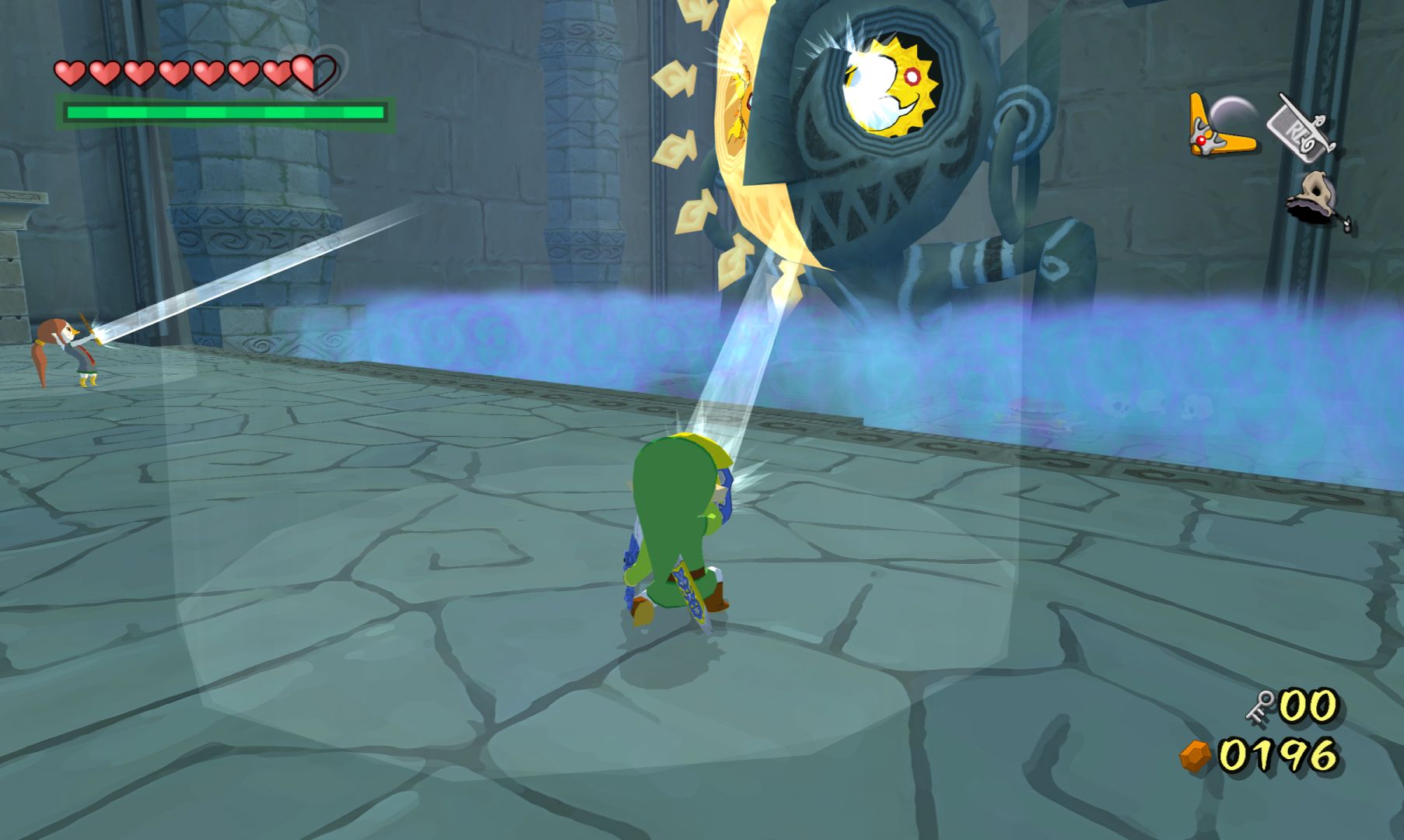
After the Spaceworld tech demo showing off a “realistic” Zelda, fans were initially very dismissive when the cel-shaded Wind Waker was shown off, calling the graphics “childish”. And yet, even after all this time, Wind Waker looks amazing, and has aged better than a lot of other games due to its charming graphical style.
There’s also something uniquely magical about Wind Waker, which stems from so many elements that just makes the game feel alive.
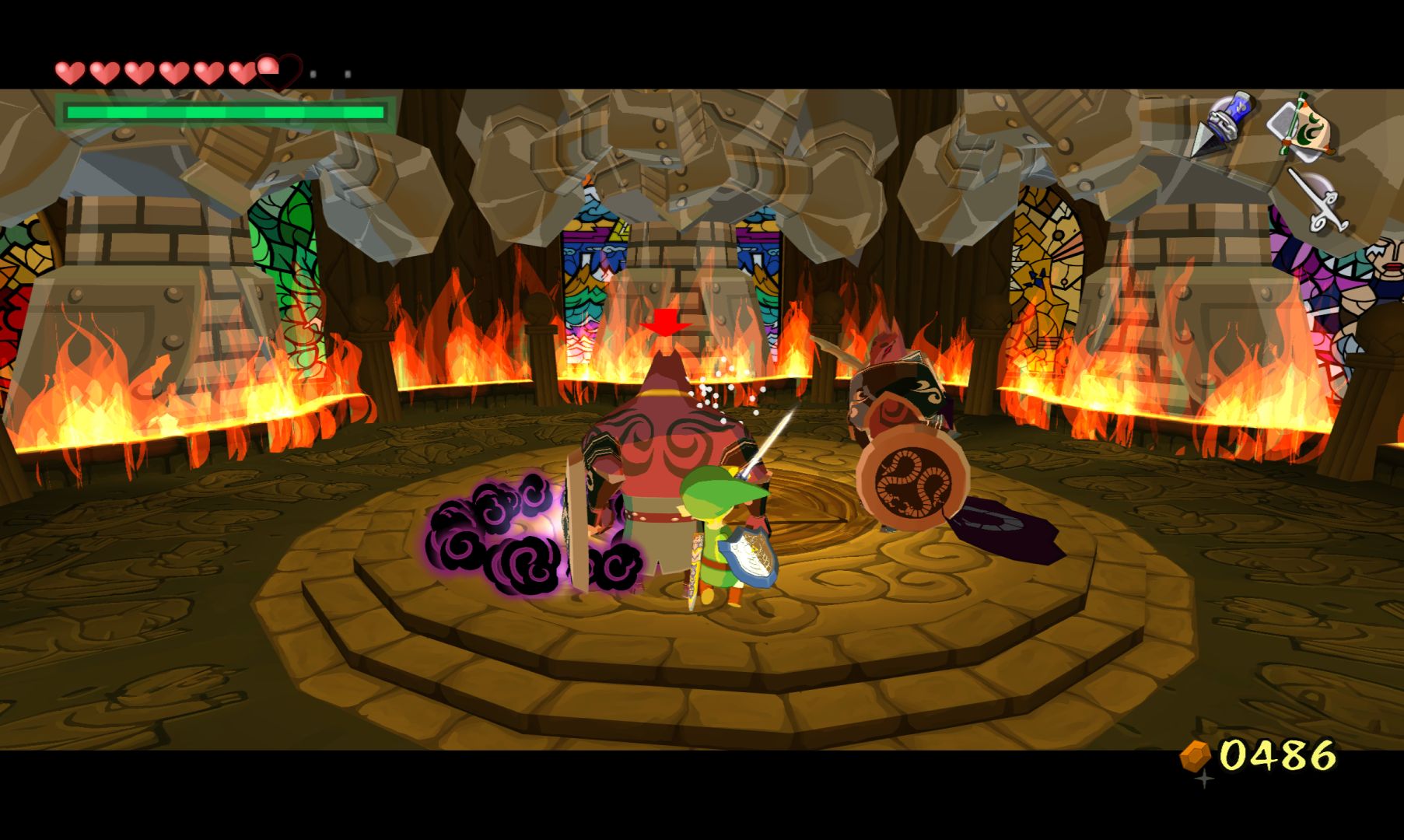
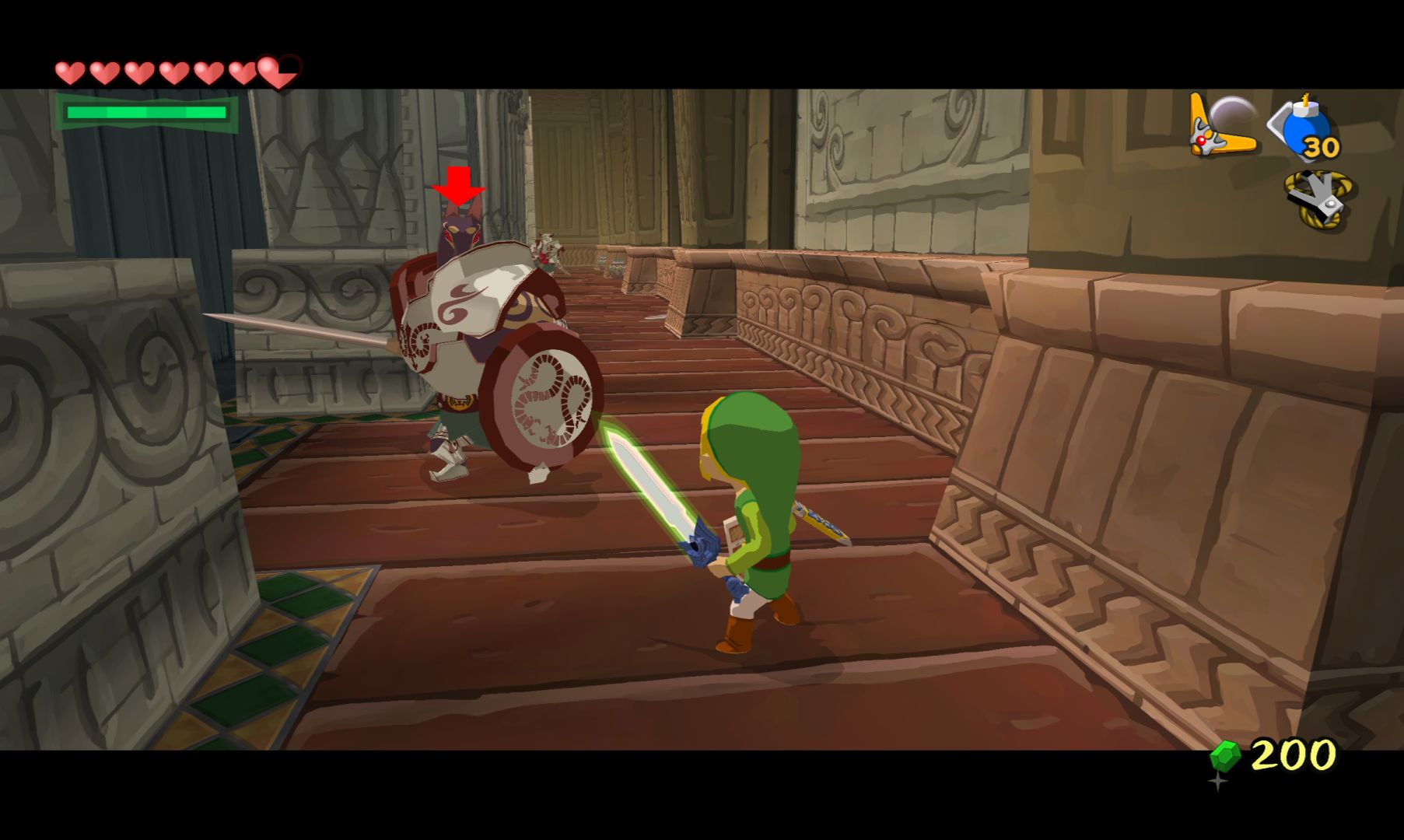
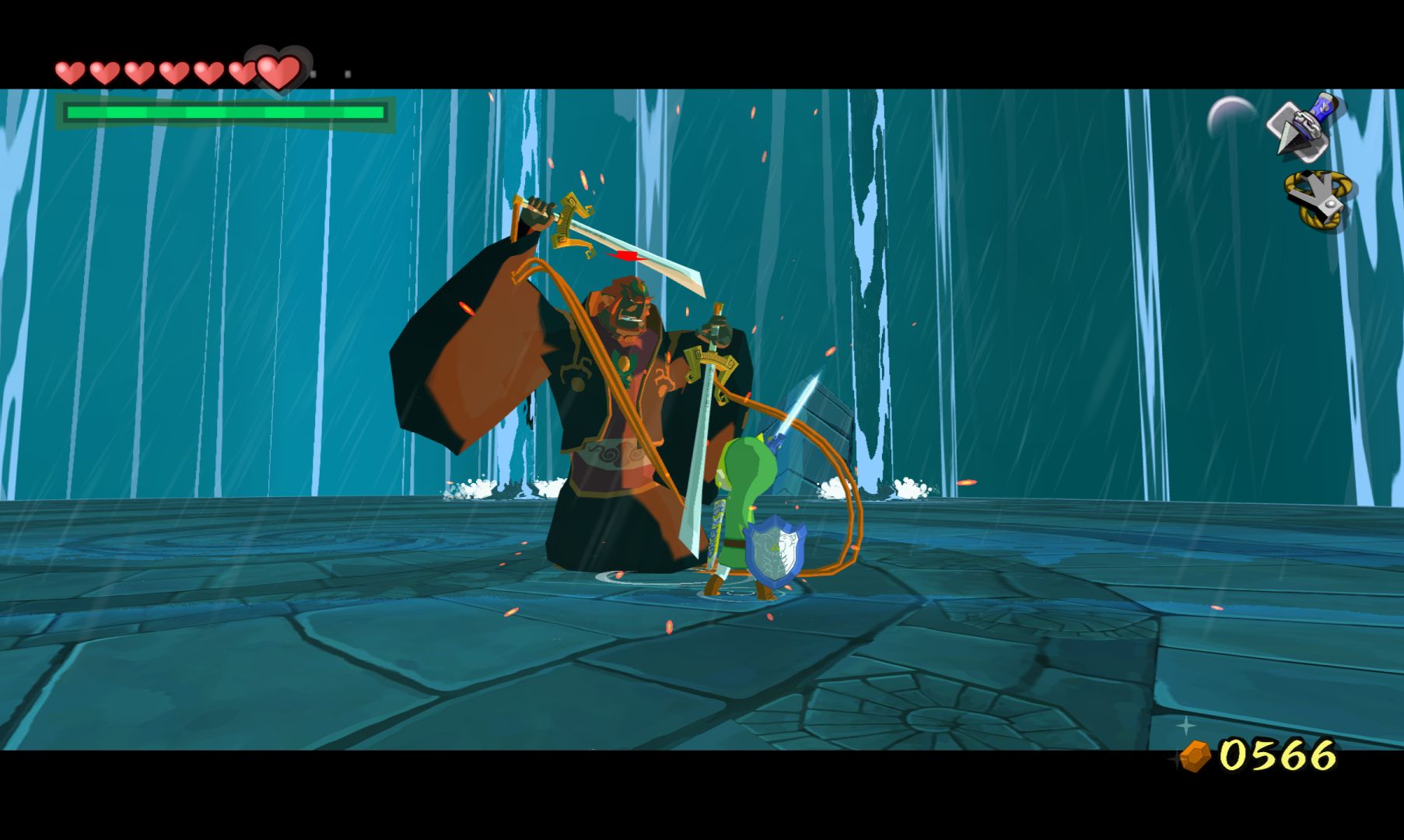
Even the combat comes across as charming in Wind Waker. The systems aren’t very deep, but it’s a lot of fun. When an enemy is about to attack, Link will be alerted and you can press A to parry, which is always immensely satisfying to do, and this idea was expanded and used in many video games, with Arkham Asylum being the one that inspired more games to do so.
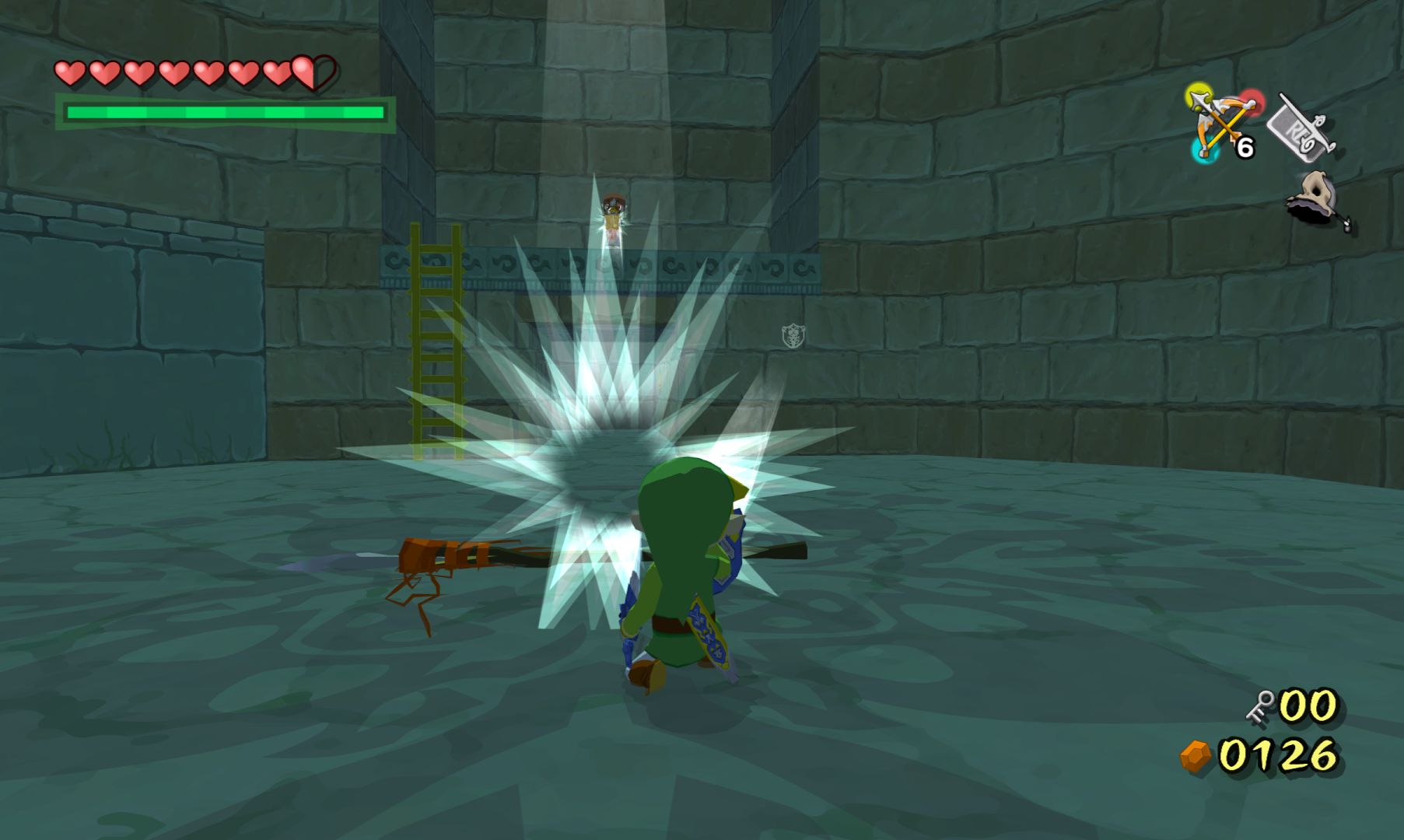
But the charm of Wind Waker’s combat is beyond how it functions. Each strike you make causes a musical cue, making every hit you make immensely satisfying. It’s a small touch, but just feels so great. And the animated dust that enemies explode into just looks gorgeous and adds to it.
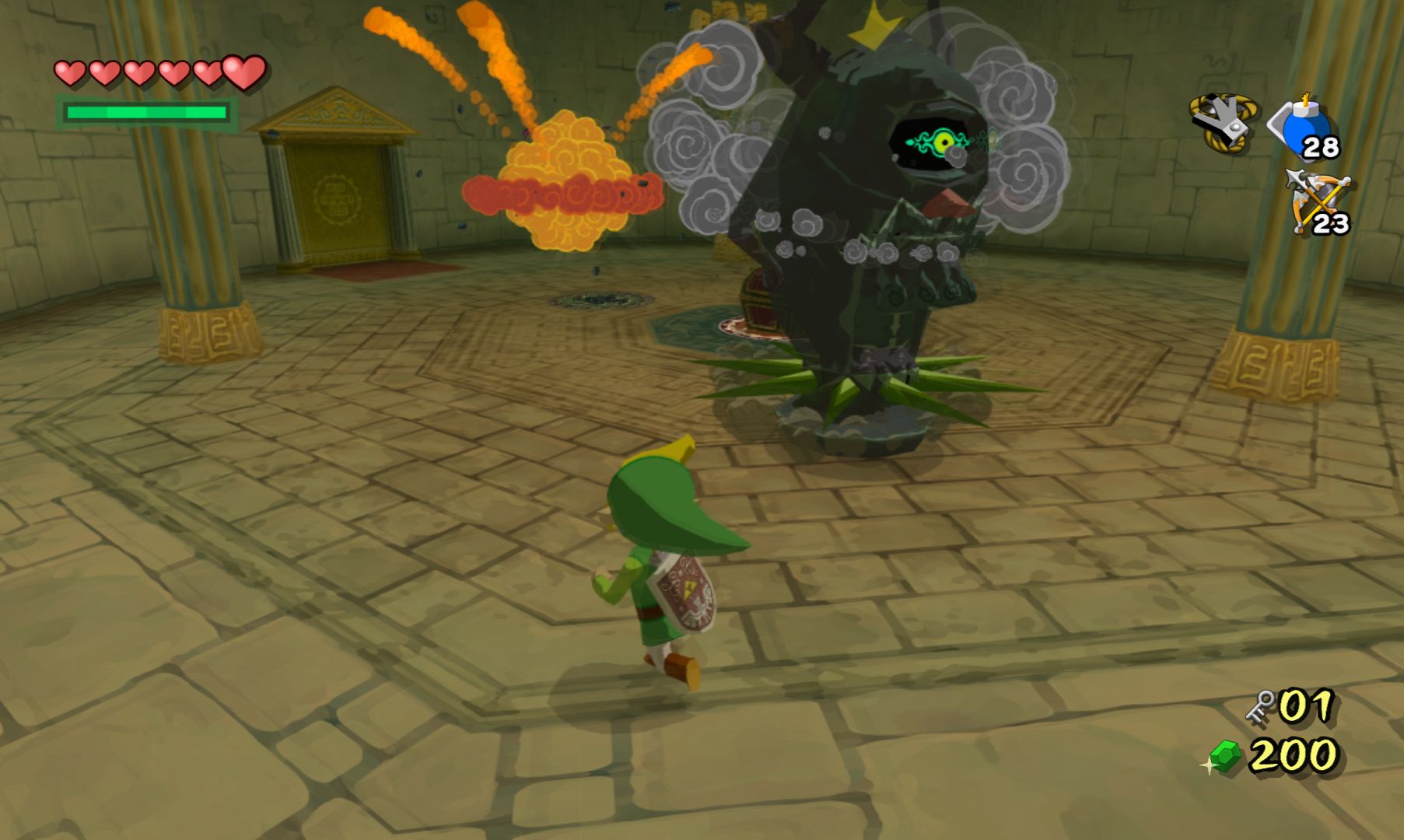
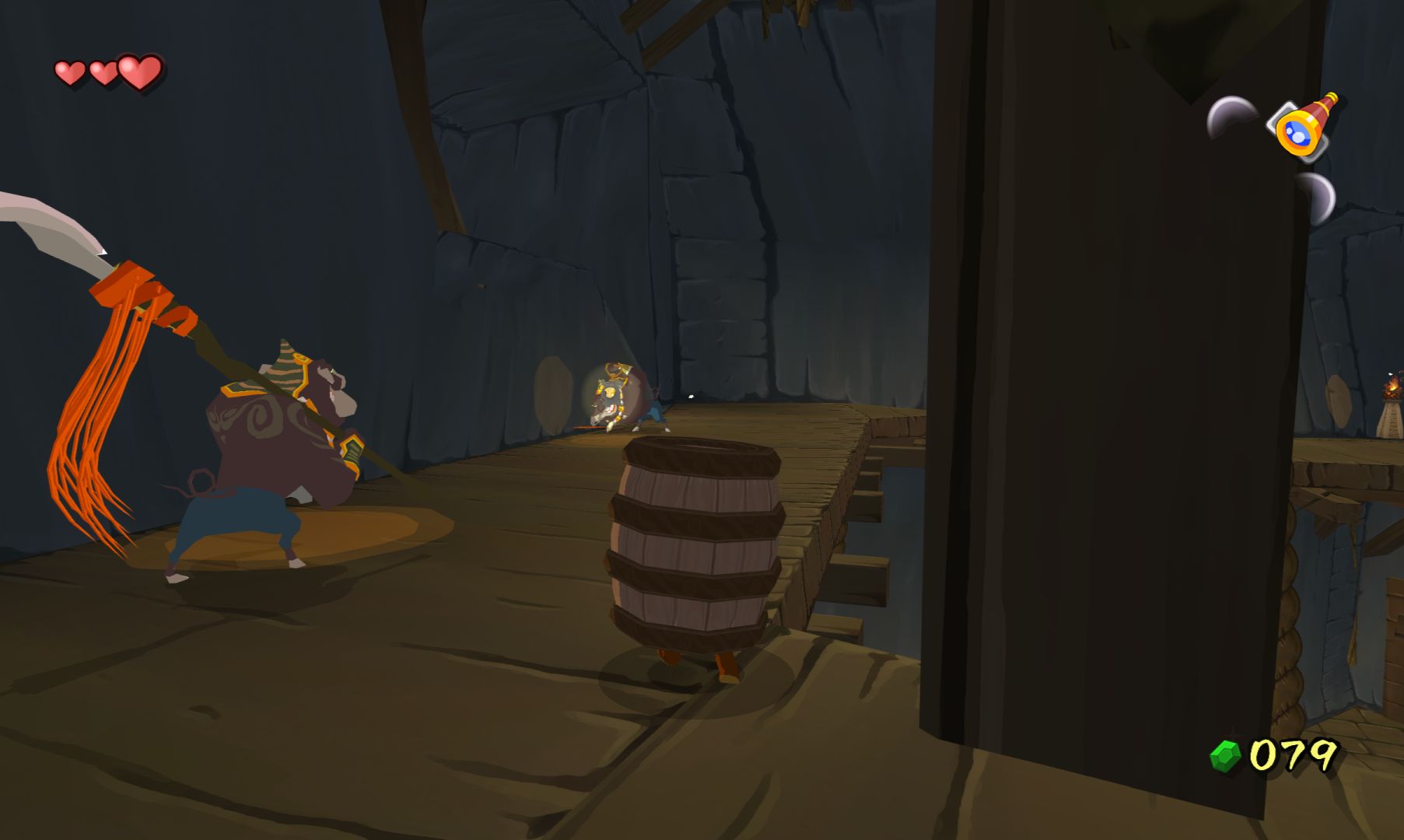
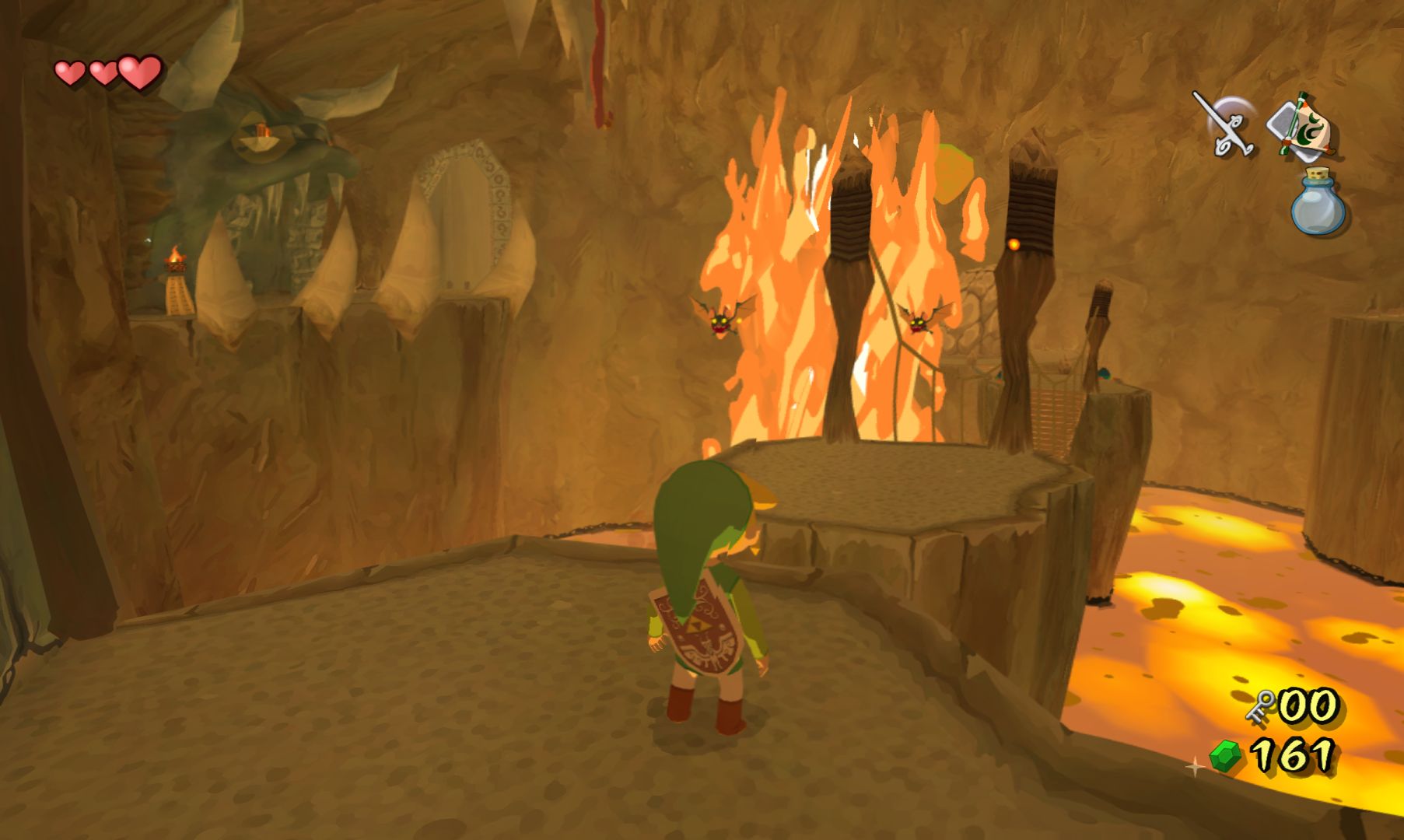
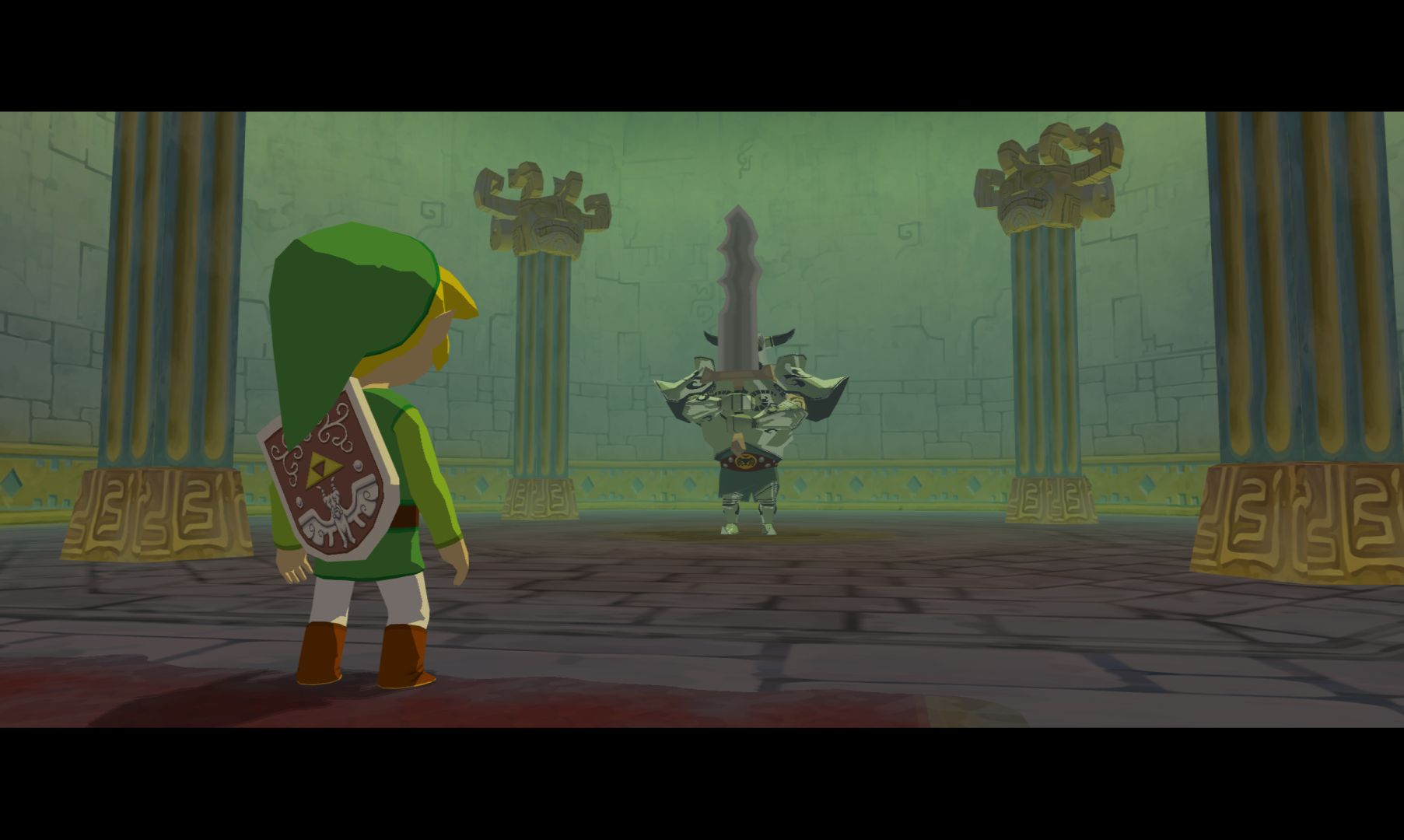
And then there’s the enemies themselves. They’re just so full of character, with each enemy type not only acting in their own ways, but also reacting to Link with facial expressions. Steal a Moblin’s necklace and they’ll be appalled, while taking a belt from a Darknut has them not flinching as they march towards you. The way the enemies are animated just makes them feel so much more alive, in a way that later Zelda games don’t achieve.
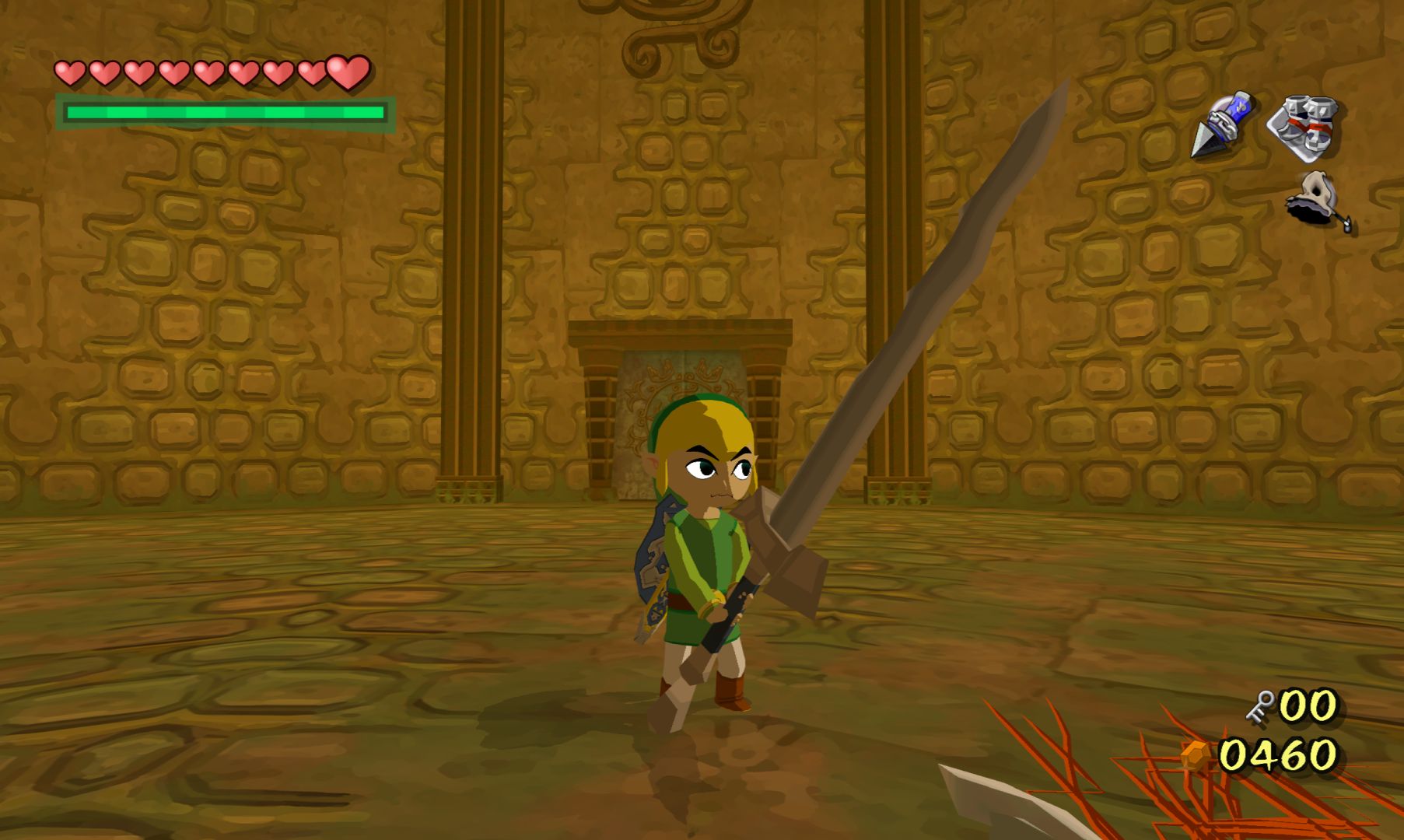
You can also steal an enemy’s weapon – even colossal swords – and use them against them, or use them to solve puzzles. Although the latter isn’t used too much later on in the game.
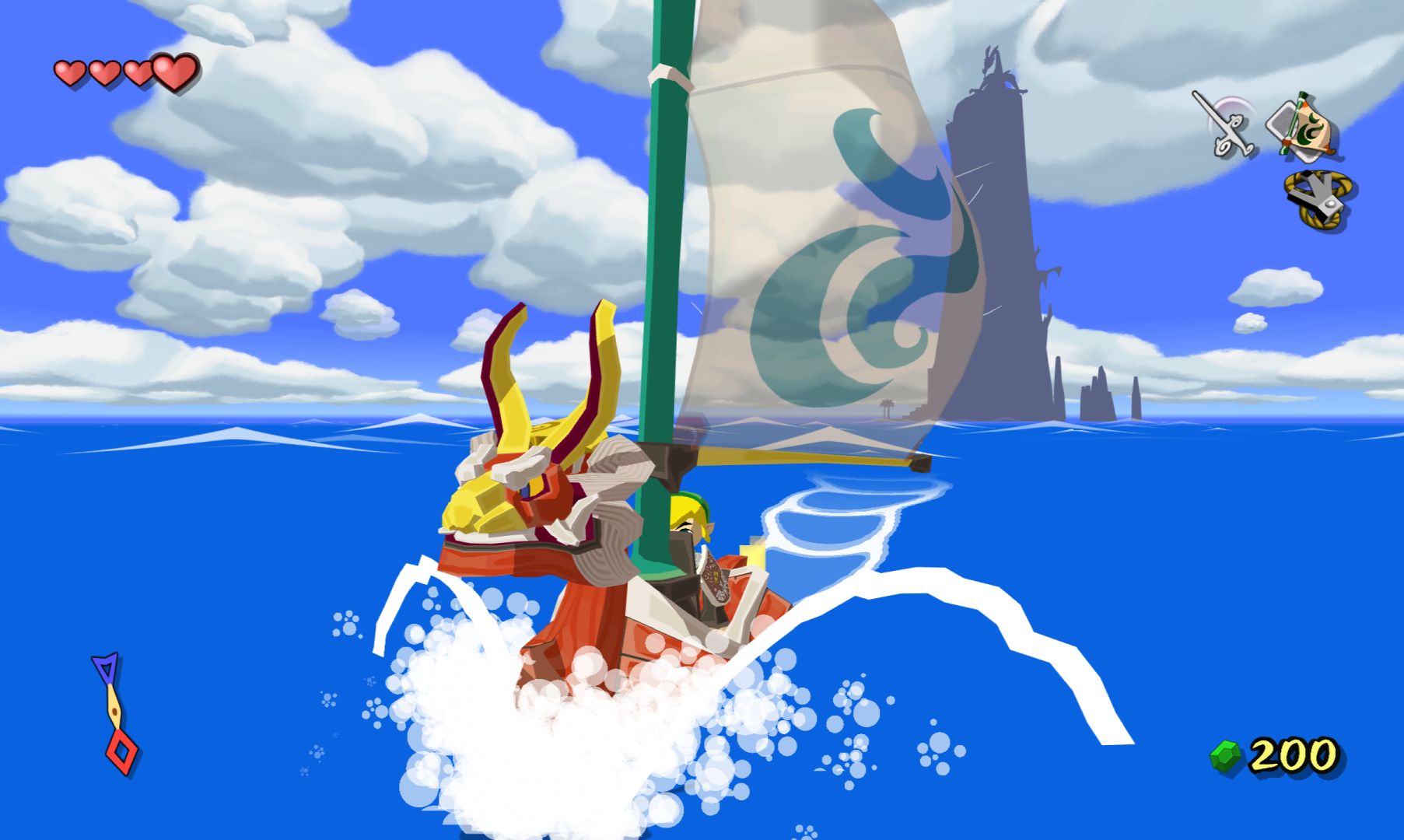
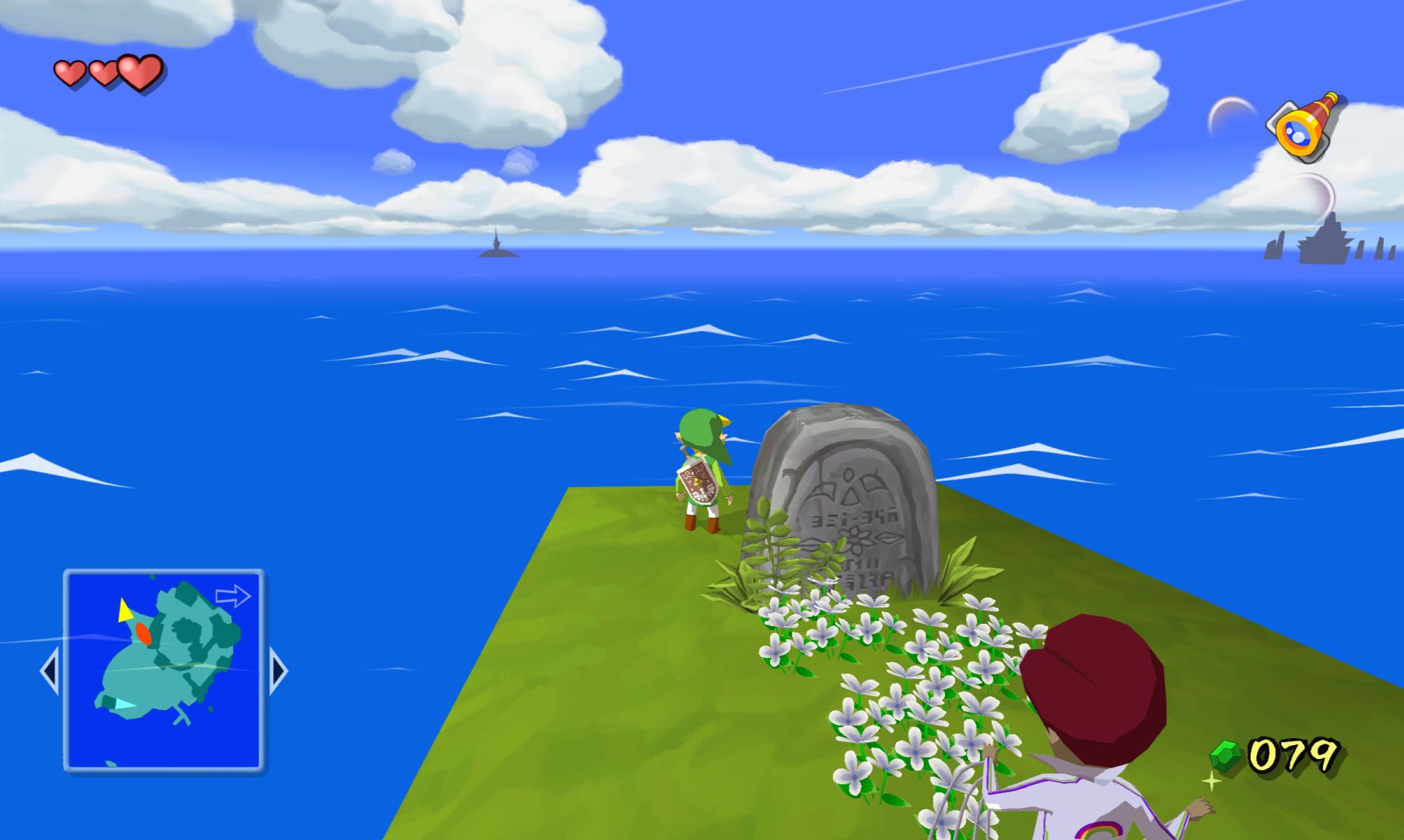
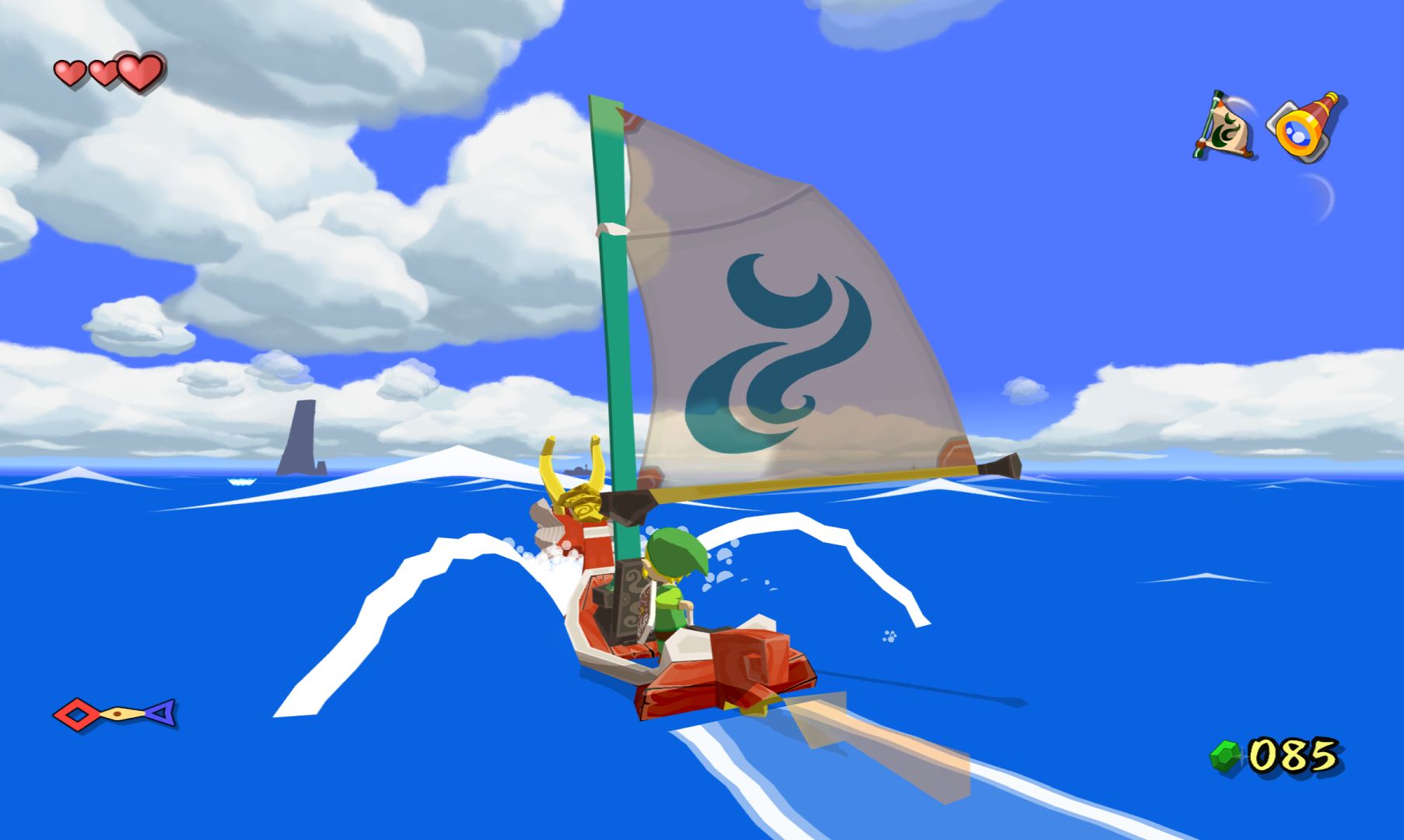
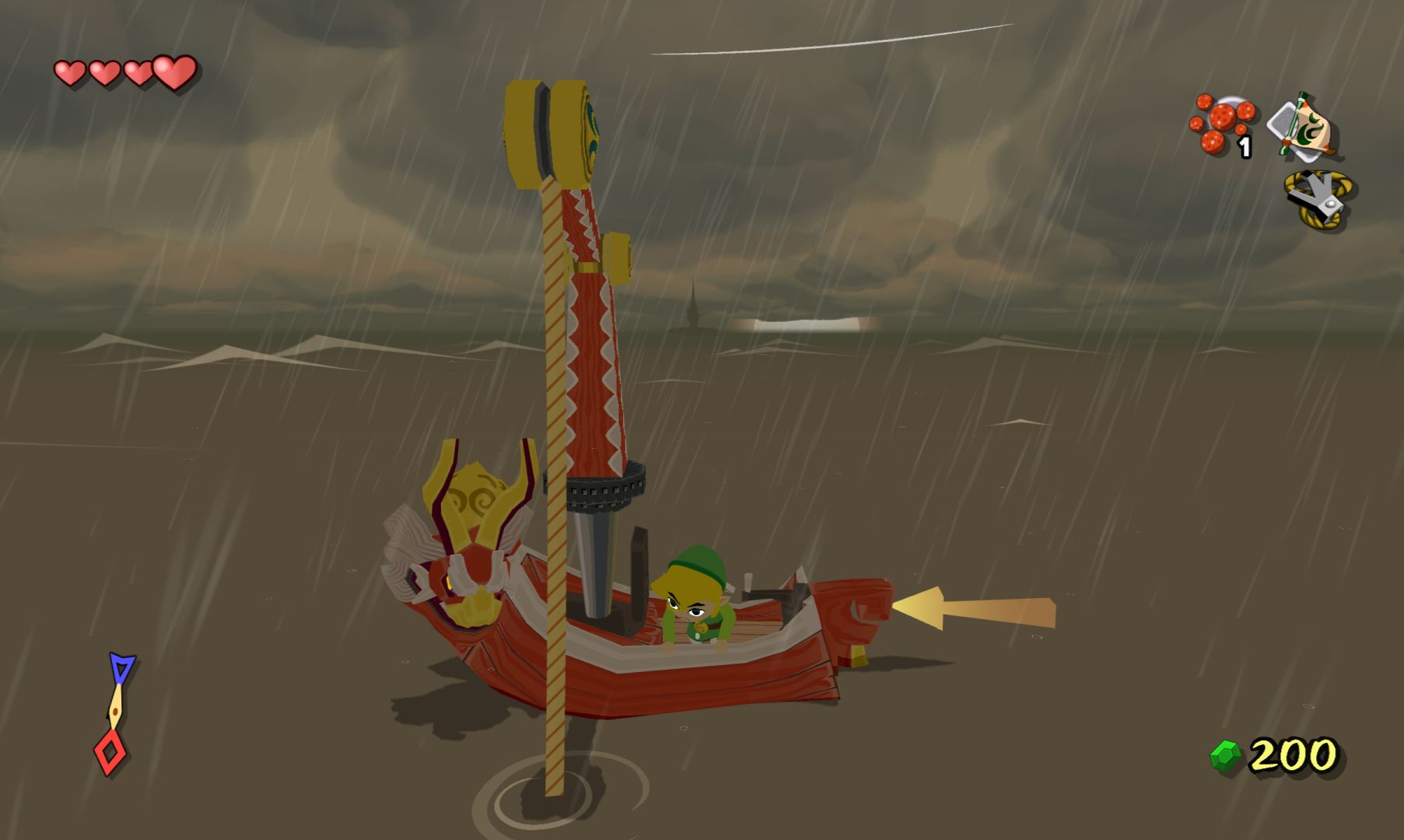
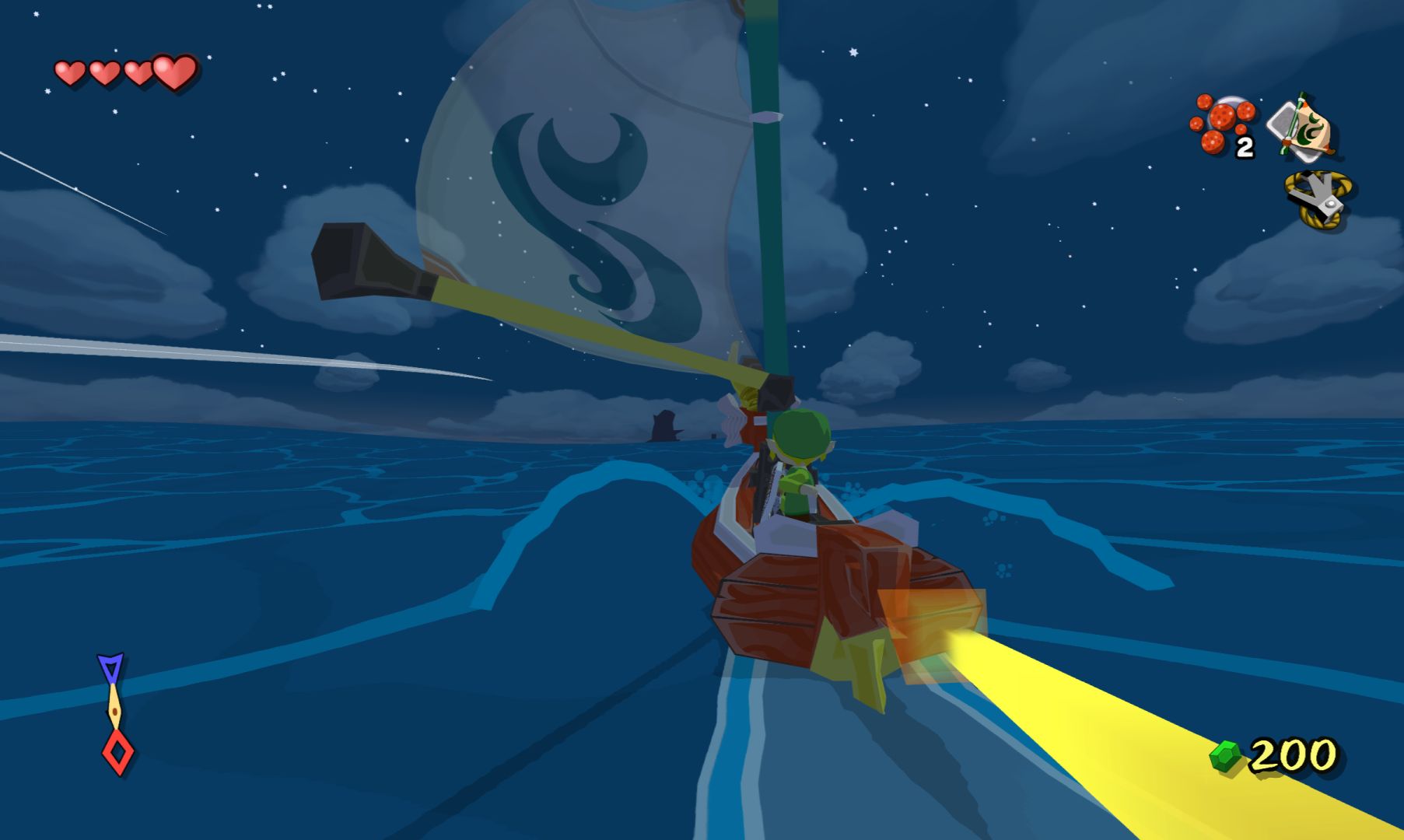
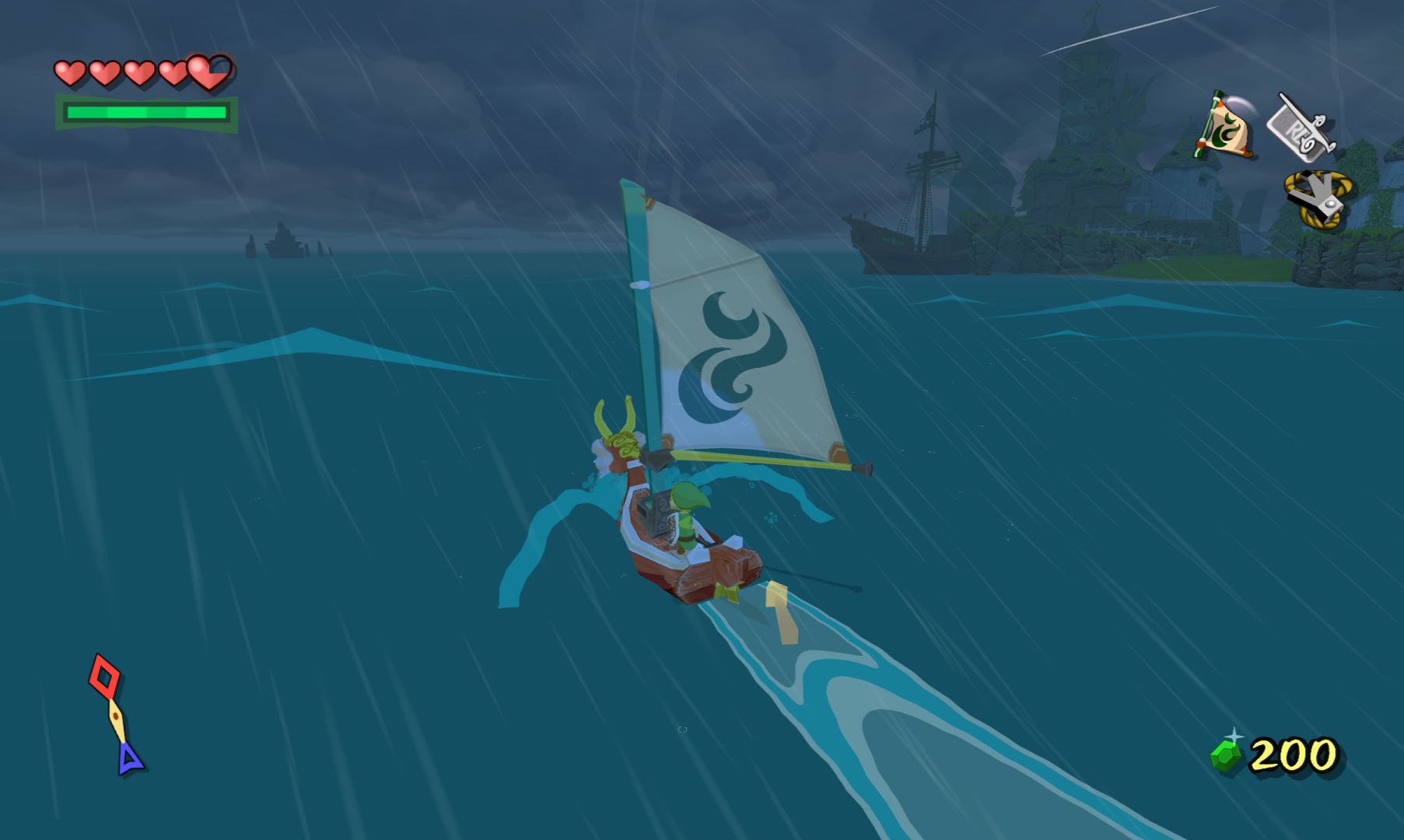
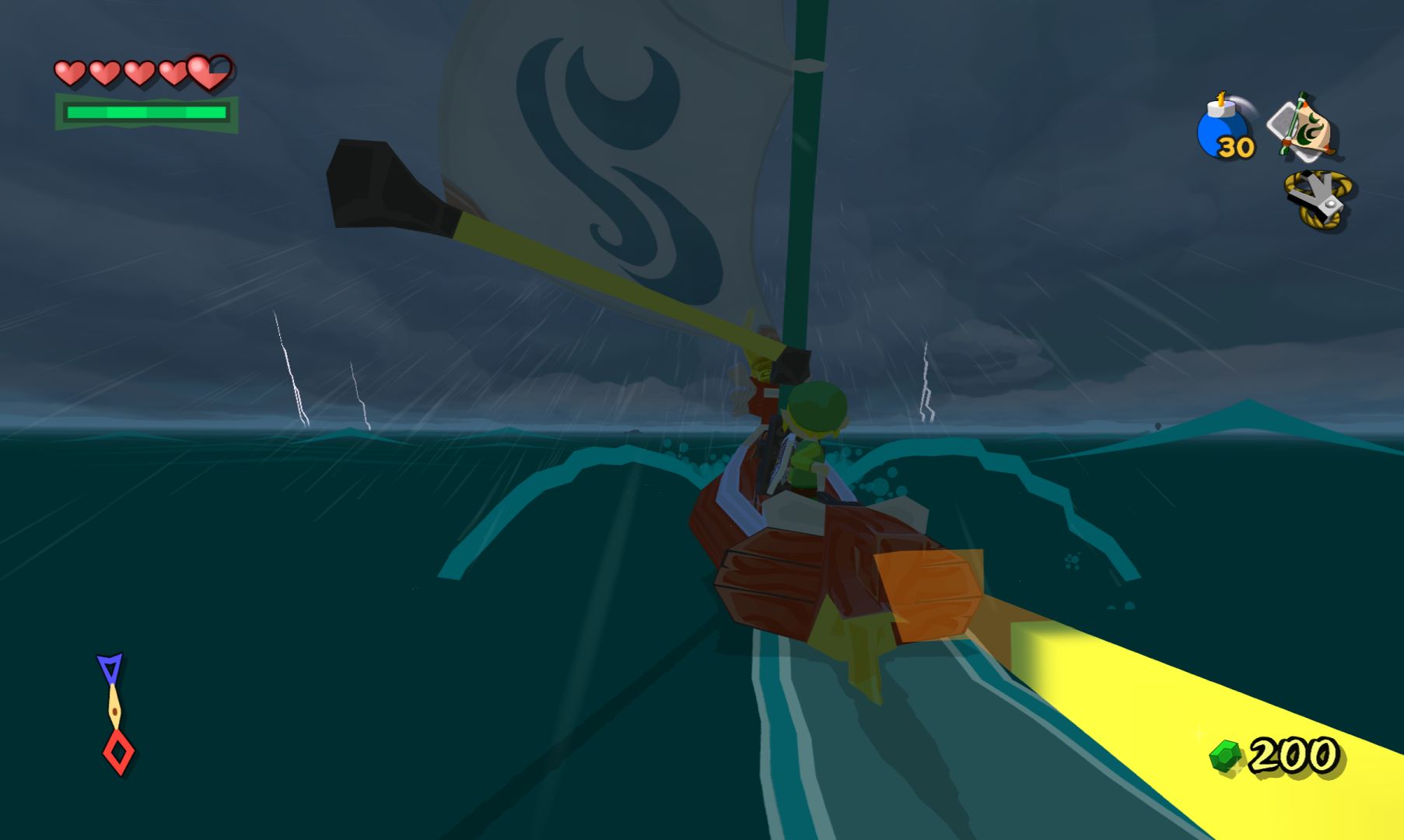
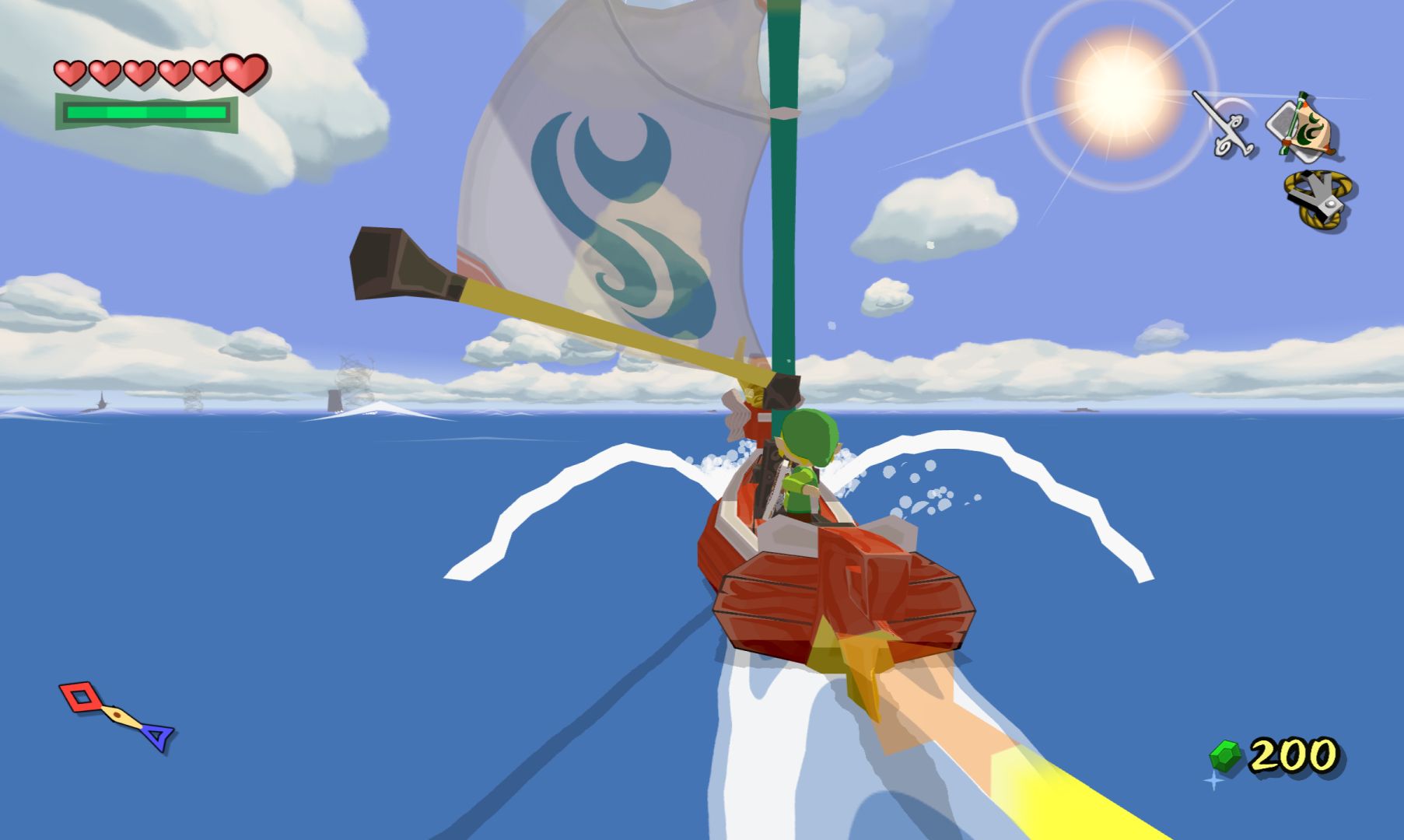
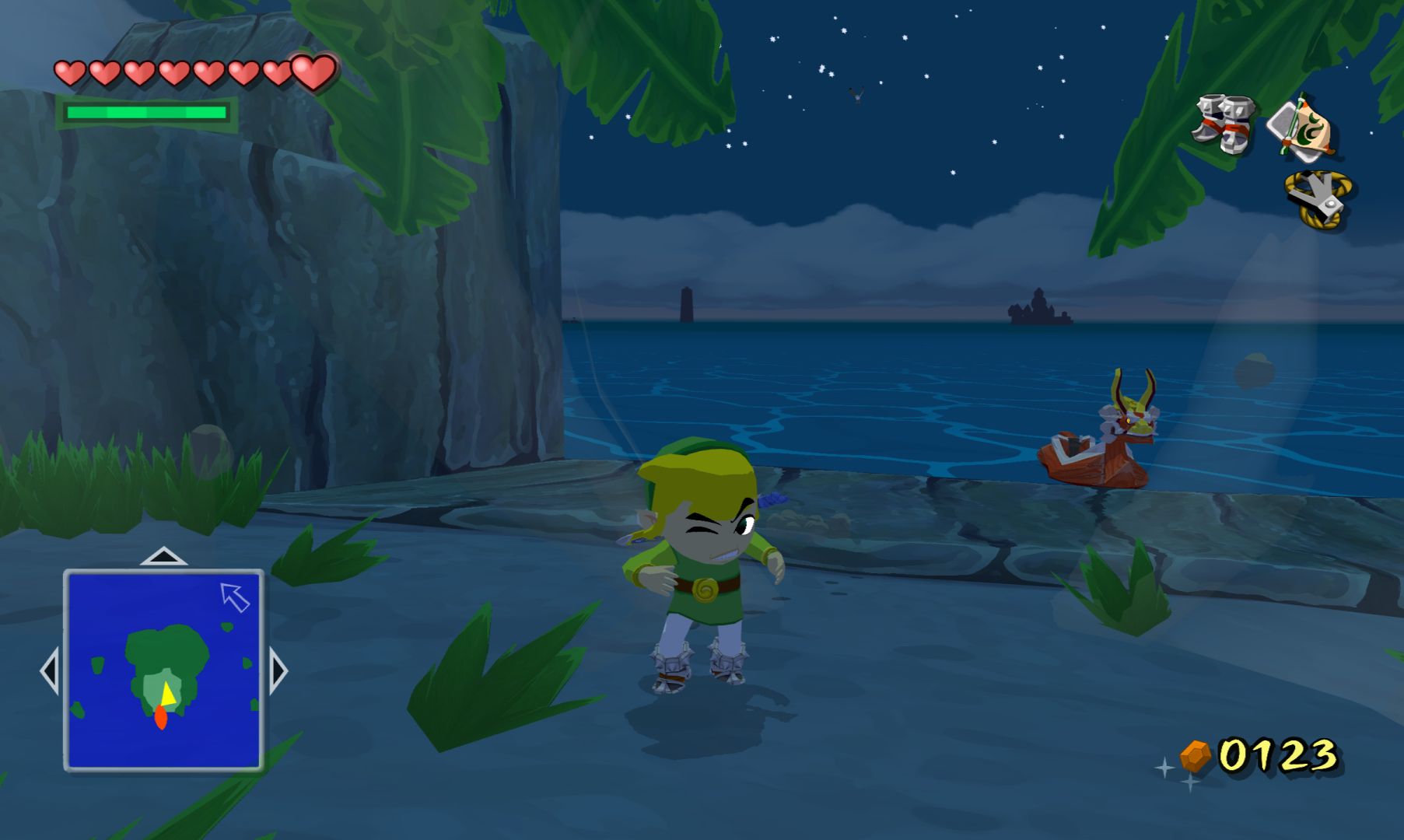
Another hugely unique element to Wind Waker is the great sea, with the world consisting of small islands across a vast ocean. This does have some issues – such as the speed of Link’s boat and having to play a song to adjust the wind – but there’s a wondrous sense of adventure as you head throughout your quest, discovering something new in each area. It really makes you want to find everything – something I have done multiple times.
The sea also looks amazing and changes constantly as it gets rougher and calmer and as the day turns to night. Accompanying your journey is sublime music, not only on the Great Ocean but everywhere else in the game as well. I was overjoyed when I got to hear a live orchestra playing the music for Dragon Roost Island.
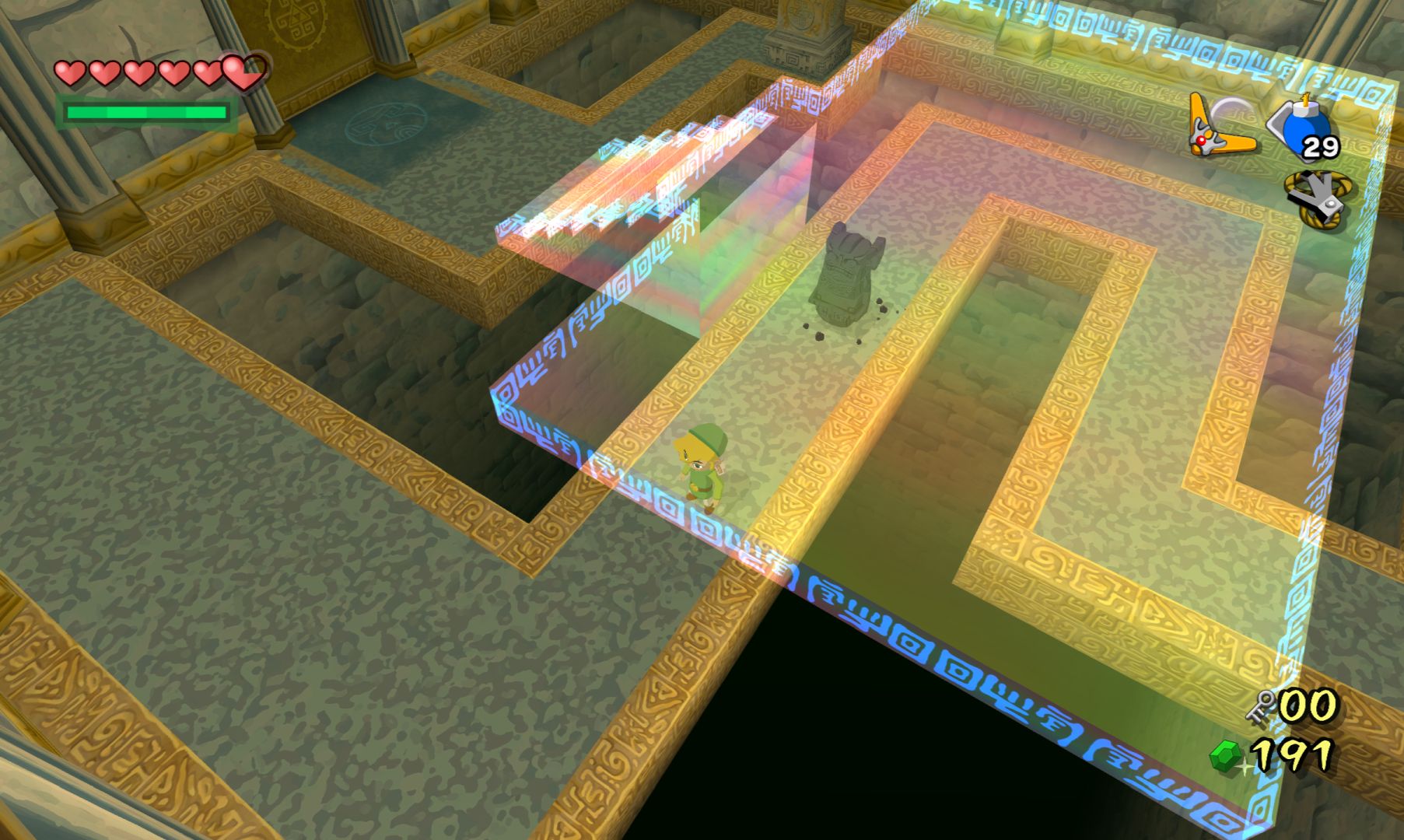
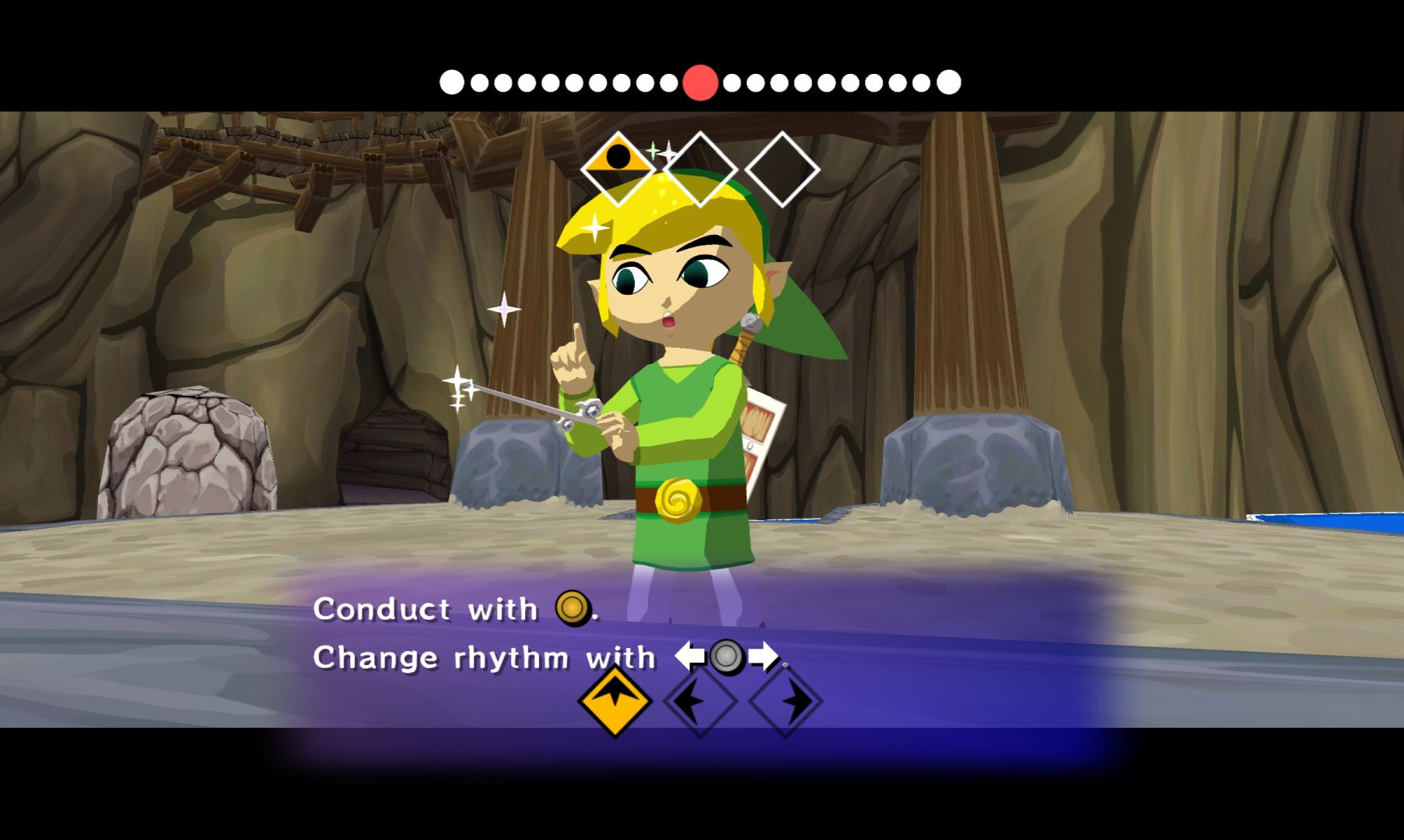
There are some downsides to this, though. As so much focus is on the ocean, Nintendo ran out of time for the dungeons, with only 5 proper dungeons in the game. I really enjoy all of these, with many of them circling you back round to a central point in a satisfying way – so you get the key item and the next door will take you closer to where you need to be without the need to backtrack. This is then countered by the Command Melody, a tune that lets you control certain statues and companions, which is a faff to play every time you need it.
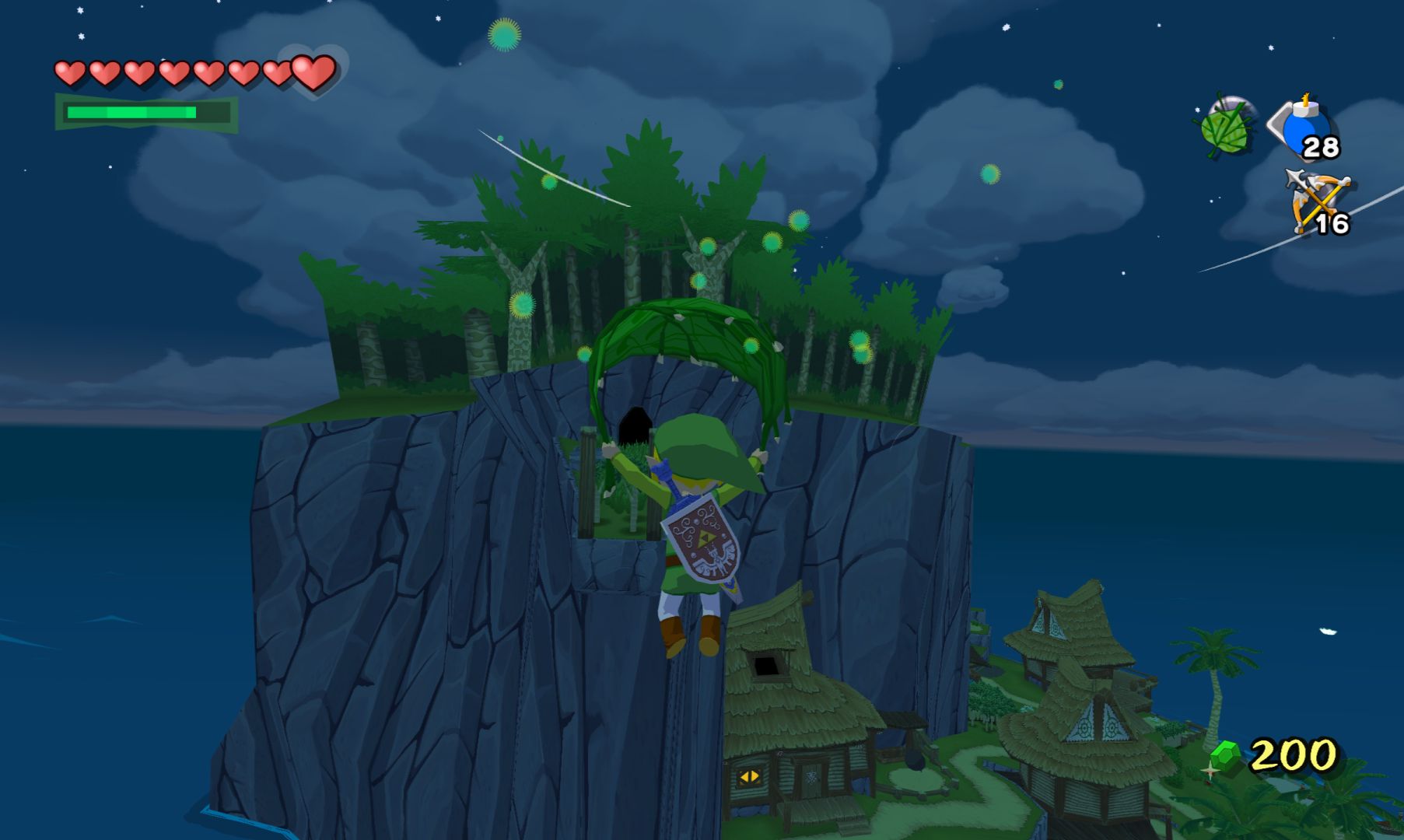
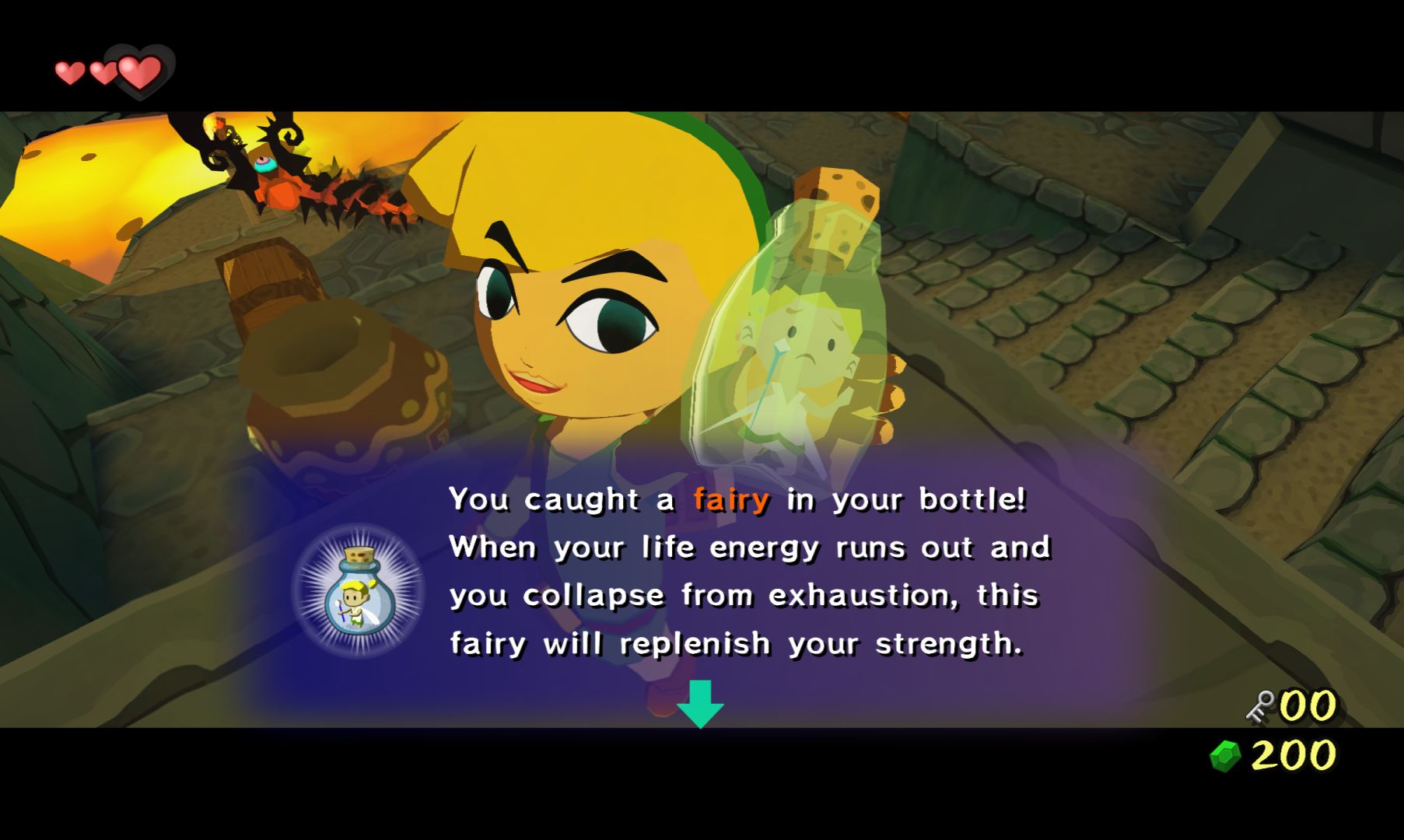
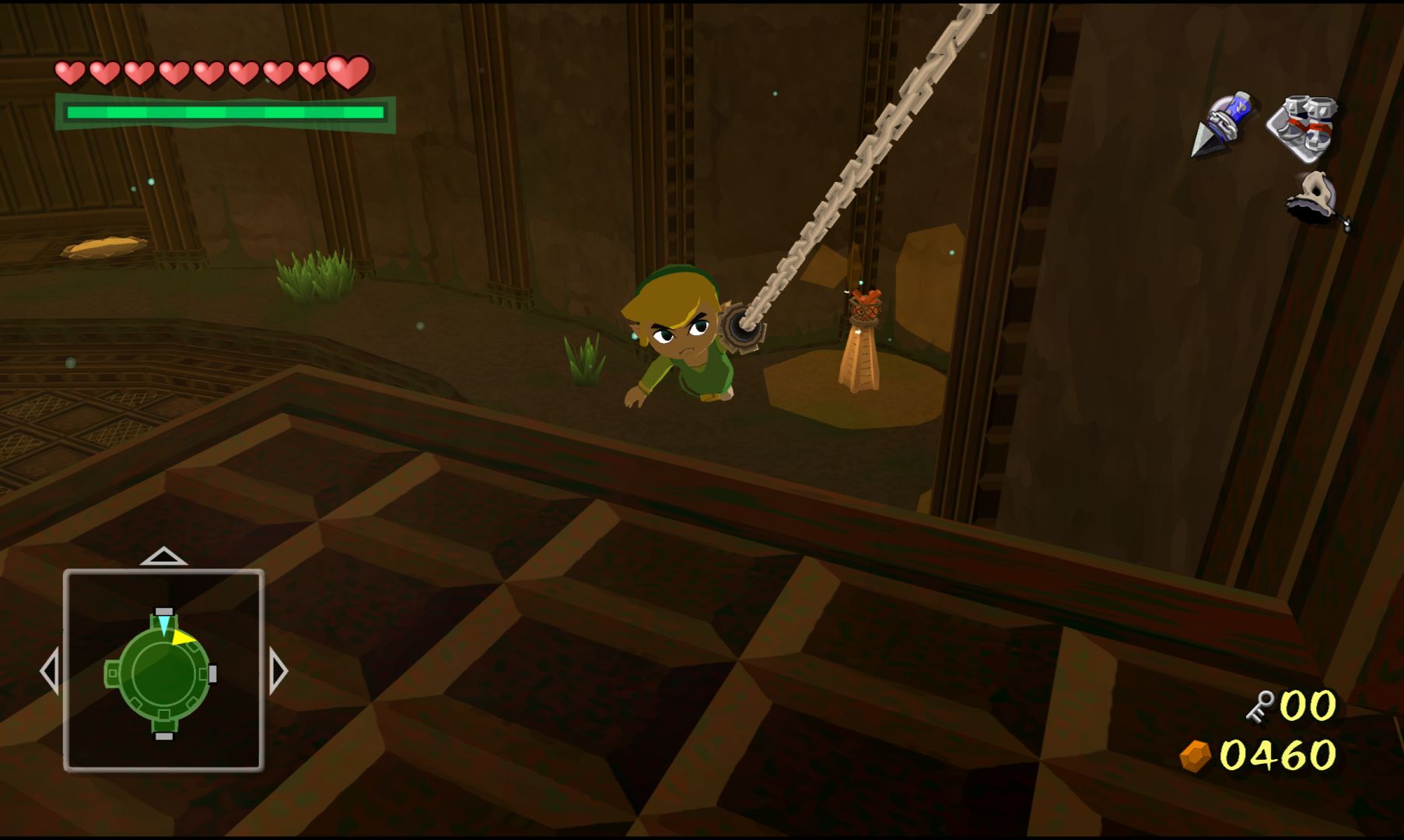
One thing I do love about Wind Waker are its items, and how they seem better utilised throughout the game, rather than forgotten about like some Zelda games can do. Part of this is due to how they can have multiple uses. The grappling hook is obtained from the first dungeon and can let you swing across gaps, but can also be used as a crane for grabbing chests when out at sea or to steal an item from an enemy, which can be helpful with side-quests. The one downside to this is you will need to pause the game to swap items a lot.
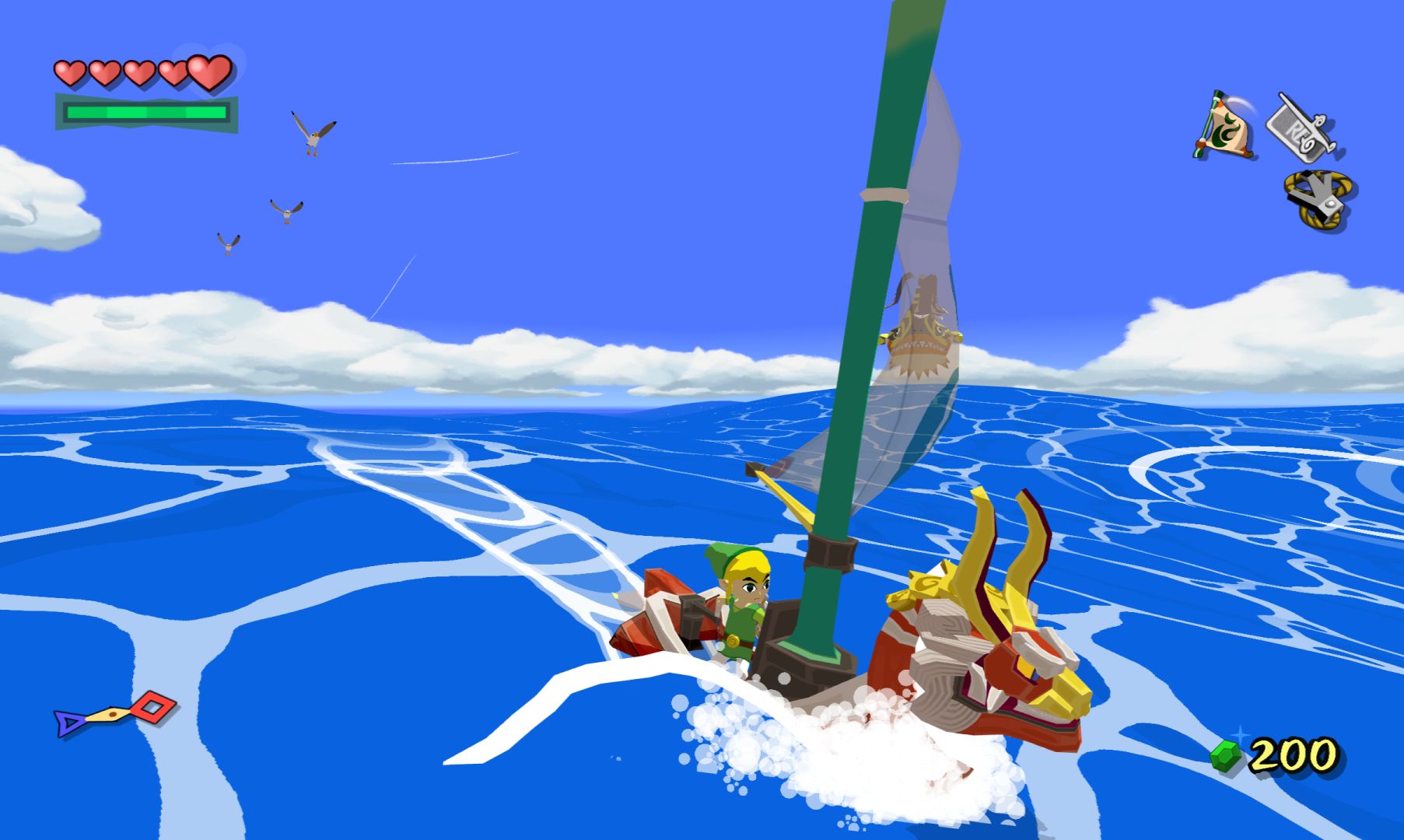
The side-quests will make or break Wind Waker for you. If you can enjoy the sailing, then you’ll get a lot of mileage as you explore every island and complete every side-quest. Start your journey early enough in the game (although you are limited to where you can go for the first two dungeons) and you can get a head-start on the most infamous part of the game: the Triforce hunt.
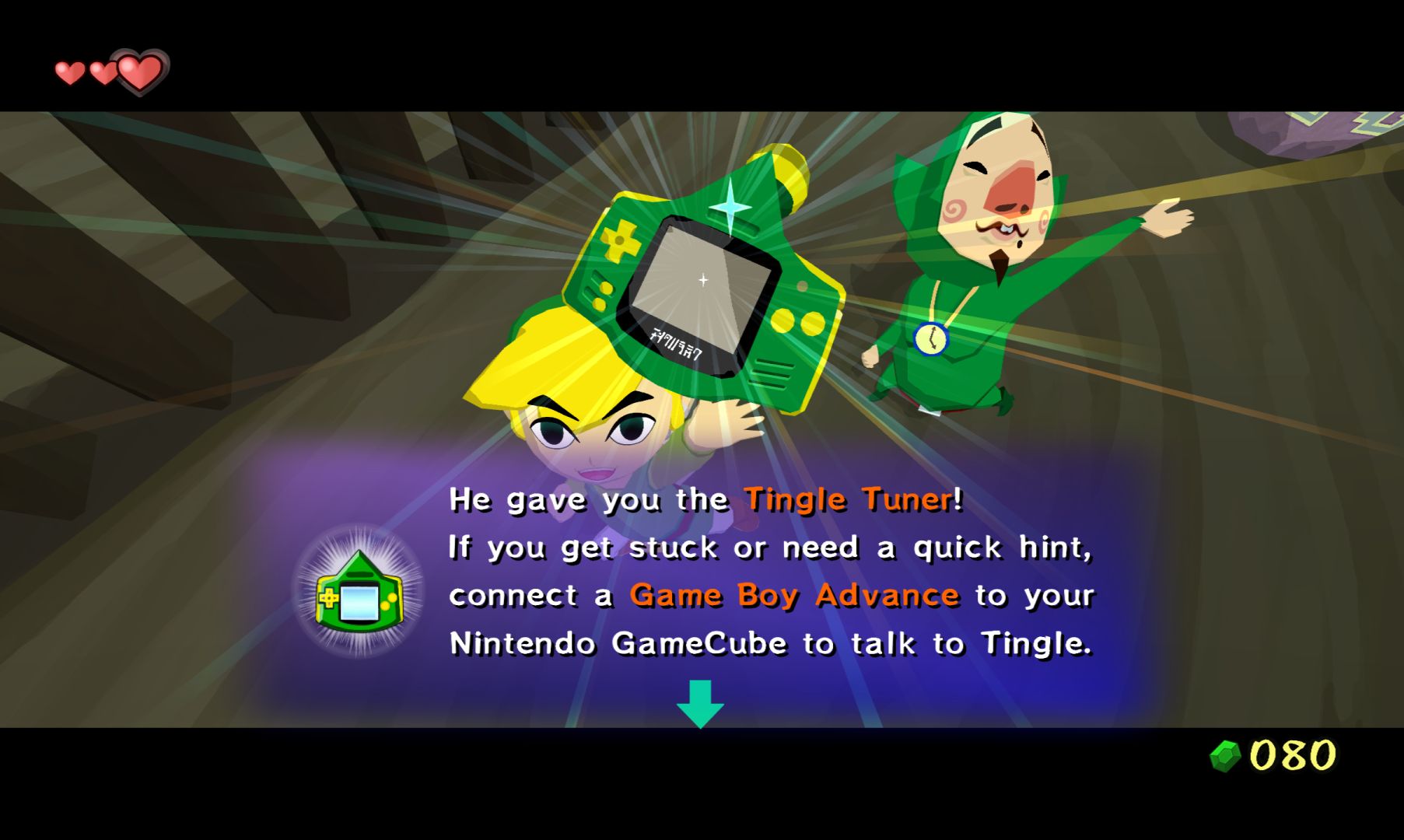
Due to the Hero of Time leaving Hyrule at the end of Ocarina of Time (due to timey-wimey stuff), the Triforce of Courage split into 8 shards. To find it, Link will need to hunt for treasure maps to find them, which is a daunting task. I never found it to be a huge problem, but if you delay it all until after the final temple, then it can be a huge chore. The biggest problem isn’t even the hunt itself, but rather the amount of money you need to hand to Tingle to translate the charts for you, which isn’t helped by how many Rupees you waste in the first half of the game due to not having a big wallet.
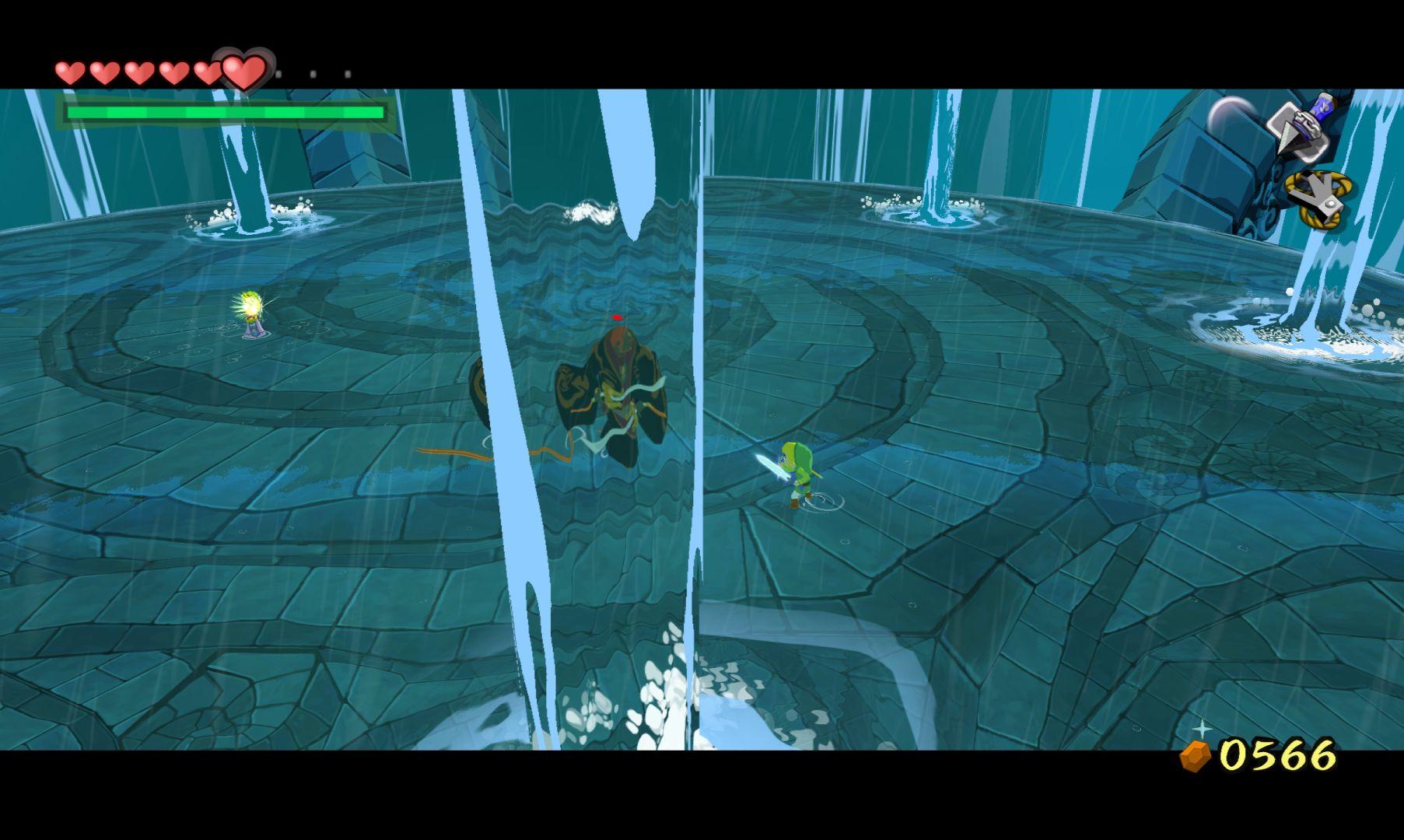
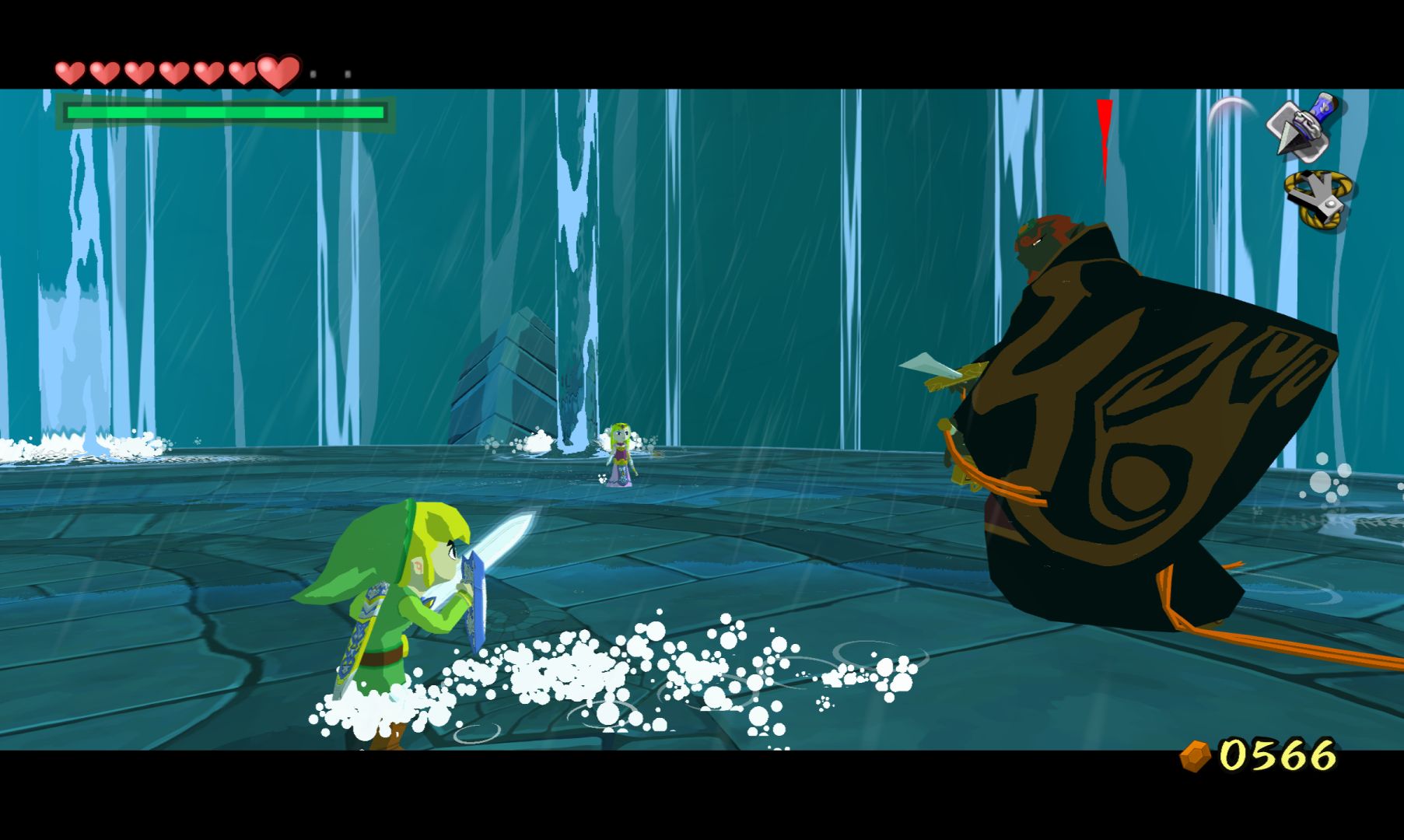
Wind Waker is a game which is absolutely swimming in personality. The expressions on the characters are great, giving Link more character while saying nothing more than “come on”, and Gannondorf is also somewhat sympathetic as he mourns the loss of everything he had. It’s an incredible experience.

What’s immediately noticeable (after the astonishing graphics, of course) is that this is the gentlest, most light-hearted and humorous Zelda to date. It isn’t afraid to poke fun at various characters, and even Nintendo, and yet when it’s time to get serious Wind Waker can still play with your emotions as deftly as Ocarina ever did. Along with some quality script-writing, the reason for this is a visual style that’s simple out of this world. While some games strive for realism, and many are basically higher resolution versions of what’s gone before, Wind Waker rewrites the rules.
Martin Kitts, NGC Magazine #81
Remake or remaster?
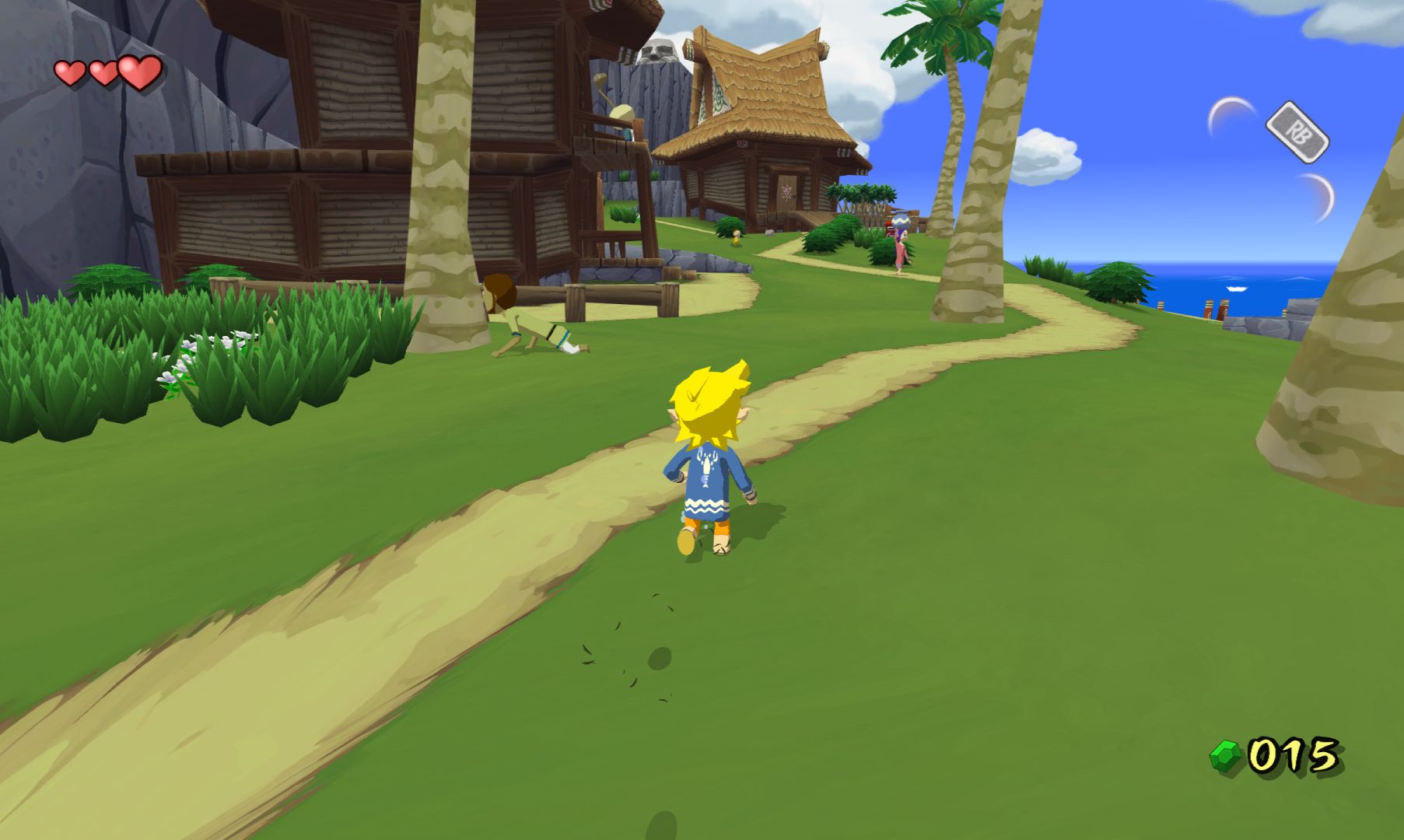
My biggest issues with Wind Waker were fixed in Wind Waker HD on the Wii U. You can now get a Swift Sail which not only lets you move faster, but also makes the wind always point in the right direction. The Trifoce quest is also shortened in a reasonable way, as some of the more difficult to get Triforce Charts now give you the Triforce shard straight away, which also means less grinding for money. The graphics are altered, though, and some people prefer the old look. The Wii U Game Pad’s screen is also great for swapping items on the fly and viewing treasure maps without interrupting gameplay. It’s a great way to play the game.
Official Ways to get the game
There is no official way to get The Legend of Zelda: Wind Waker.
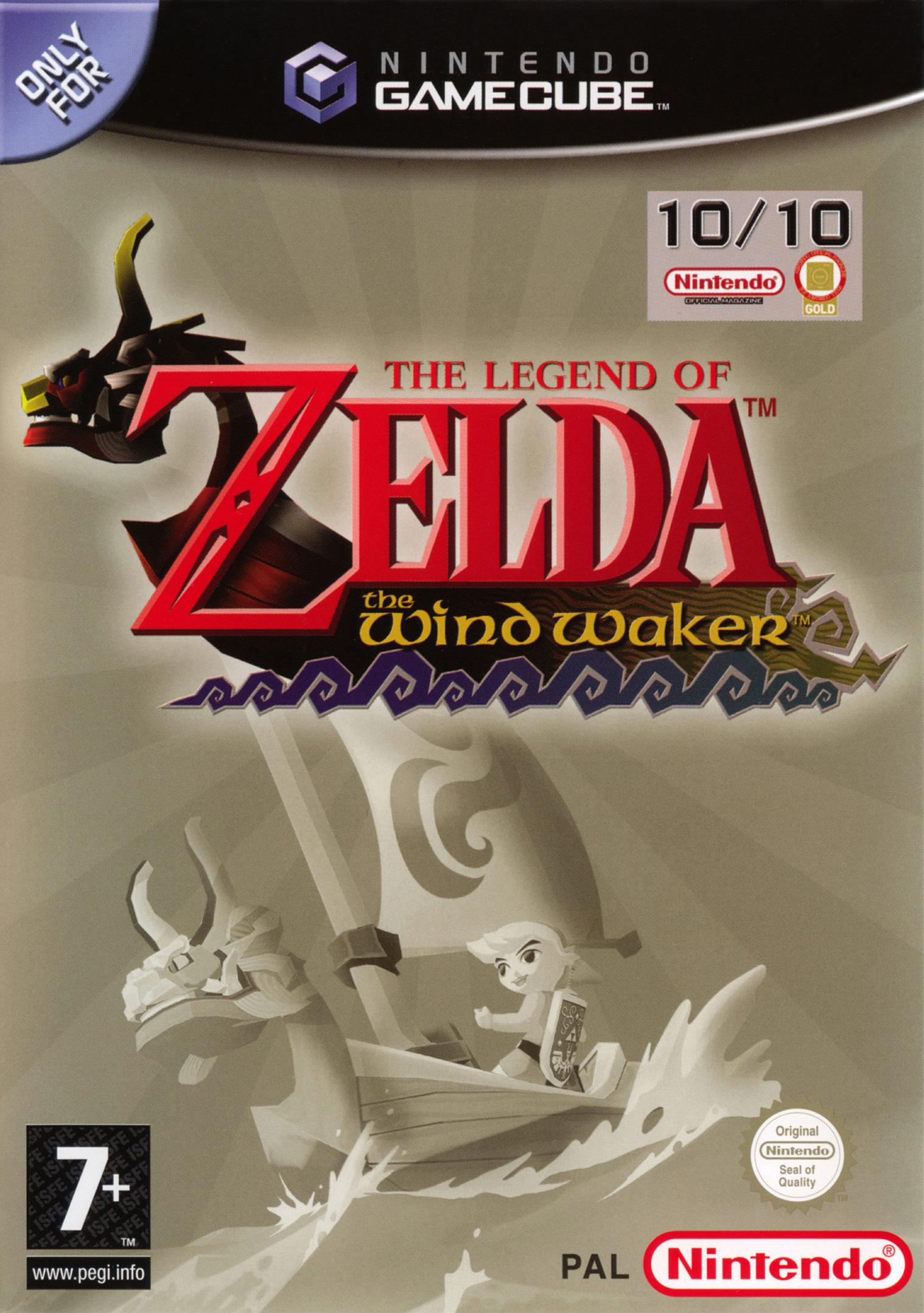
Europe
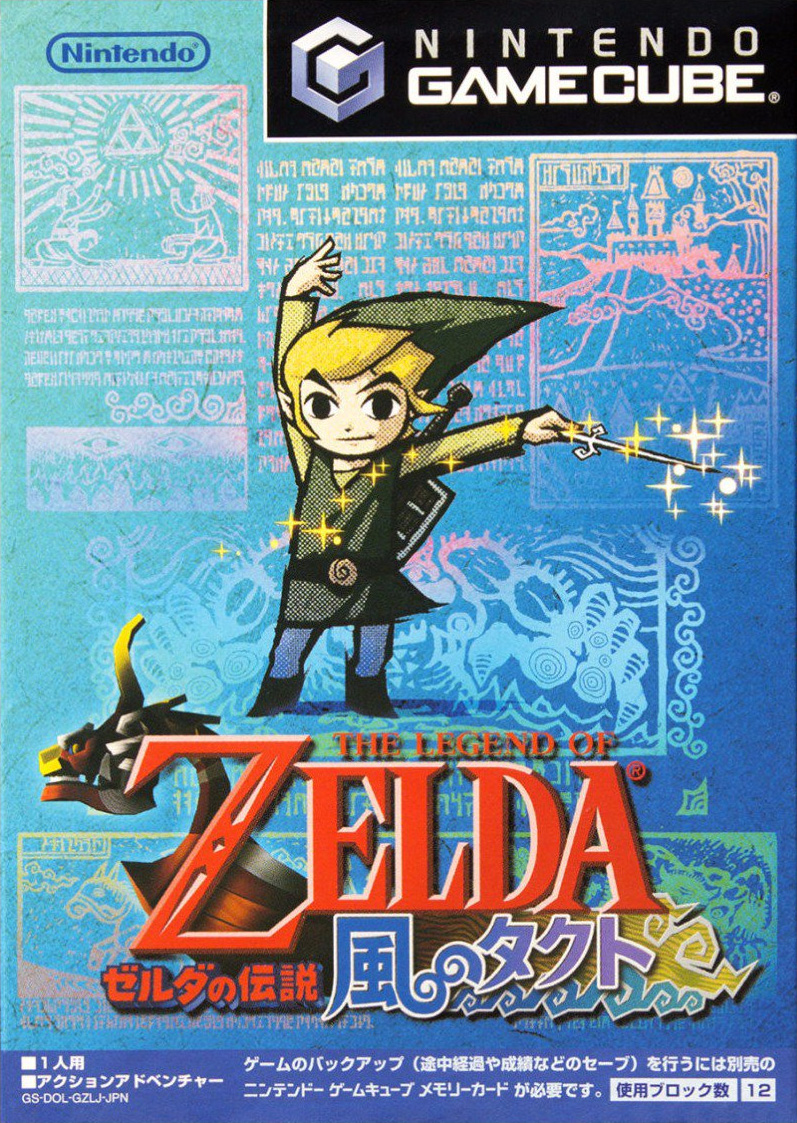
Japan
North America

Europe Limited Edition

GameCube Games by Date
2002: Jan, Feb, Mar, Apr, May, Jun, Jul, Aug, Sep, Oct, Nov, Dec
2003: Jan, Feb, Mar, Apr, May, Jun, Jul, Aug, Sep, Oct, Nov, Dec
2004: Jan, Feb, Mar, Apr, May, Jun, Jul, Aug, Sep, Oct, Nov, Dec
2005: Jan, Feb, Mar, Apr, May, Jun, Jul, Aug, Sep, Oct, Nov, Dec
2006: Jan, Feb, Mar, Apr, May, Jun, Jul, Aug, Sep, Oct, Nov, Dec


Cube mentioned how the WiiU version’s art style changes might not be liked by some. I’m one of those people. Something is lost with the more realistic lighting going on there. Like, it’s better technically, but it dampens the cartoon feel to it. Which is a shame, because the WiiU version is the one I would recommend. If only it didn’t have that one blemish…
Anyway, as most of you probably know, I did play the original version very recently on Switch 2. It holds up, and glows up really nicely with the HD resolution boost (except the credits and demo reel, which are FMV’s) It’s a timeless game, and still a better “open world” then the actual open-world Zelda’s due to not being obnoxiously large and having easy to see points of interest (It’s all water, so if you see an island, chances are, there’s something there).
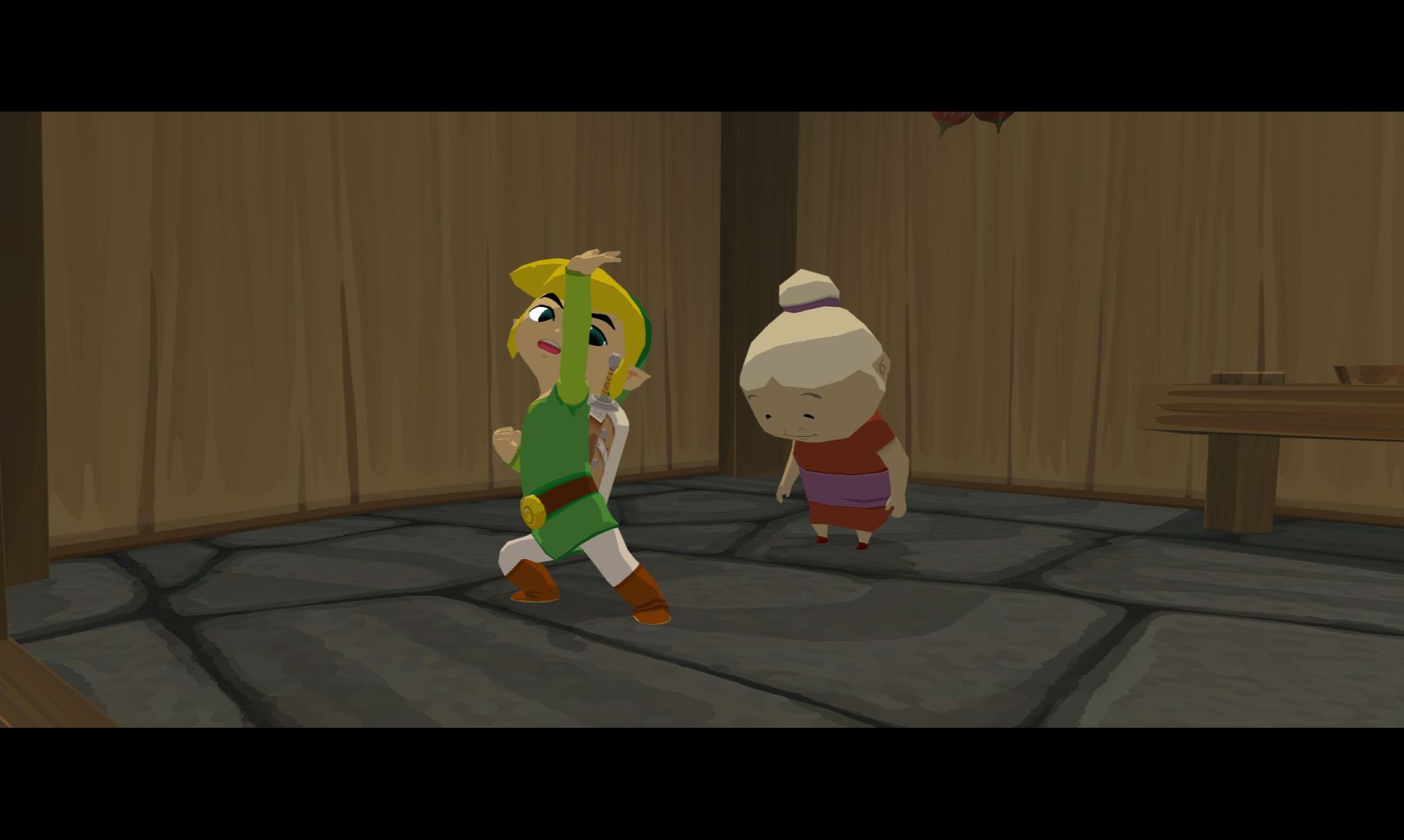
Also, still has my favourite Link. “Toon Link”, as Smash Bros dubbed him, has an astonishing amount of character to him. His over-the-top facial expressions, his animations (I particularly like his jumps for joy when a boss is defeated), he really does feel like a child. A heroic child, but a child, none-the-less.
Anyway, fun fact not entirely related to this game, but when we play Smash Ultimate on Saturdays and someone accidentally kills themselves by using an attack that sends their character hurtling downwards, we call it “Toon Link-ing”. Shouldn’t have to explain why to anyone who’s played as that character in Smash.
Wind Waker is just wonderful. I love the way exploration works, I love the music (and the ambient moments where none can be heard), I love the vibrant designs (including Link’s bubbly new self), I love the cel-shaded graphics that make all of this look like a living painting, and I absolutely love the layered story.
The wacky moments of Link getting launched into a wall (twice), the sidequests hiding behind every island, the colourful NPCs all over the place, the apotheotic victory against the Helmaroc King in the middle, and the overarching conflict ultimately being an ancient grudge between two old men… This game is sublime.
I agree that that the rupee cost behind the Triforce quest is the real issue behind it. Actually going out, reading maps, figuring out clues, and unearthing each one by one in a variety of ways (sometimes, it’s just visiting a tower, other times it’s going through the entire sidequest behind that kooky teacher. And then there’s the ghost ship), that’s the real essence behind an adventure game, the perfect recipe behind an episodic “adventure of the week” format. I love it, and I always like it whenever Zelda leans more into that sort of thing.
(Incidentally, the fact that games like Starfox Adventures and Soul Reaver 2 are so lacking in sidequests – and therefore this freeform “adventure of the week” feeling – is precisely why I find them so dry to go back to)
Finally, like others, and despite the fact that I haven’t played it, WW HD also rubs me the wrong way, on account of everything looking like illuminated figures.
EDIT: One thing that I forgot to mention: I originally got this game mostly because of OoT Master Quest (I saw the special edition on a shelf). I even convinced my father to buy me the game early because of that. I ended up loving Wind Waker far more than the remixed dungeons of Ocarina of Time.